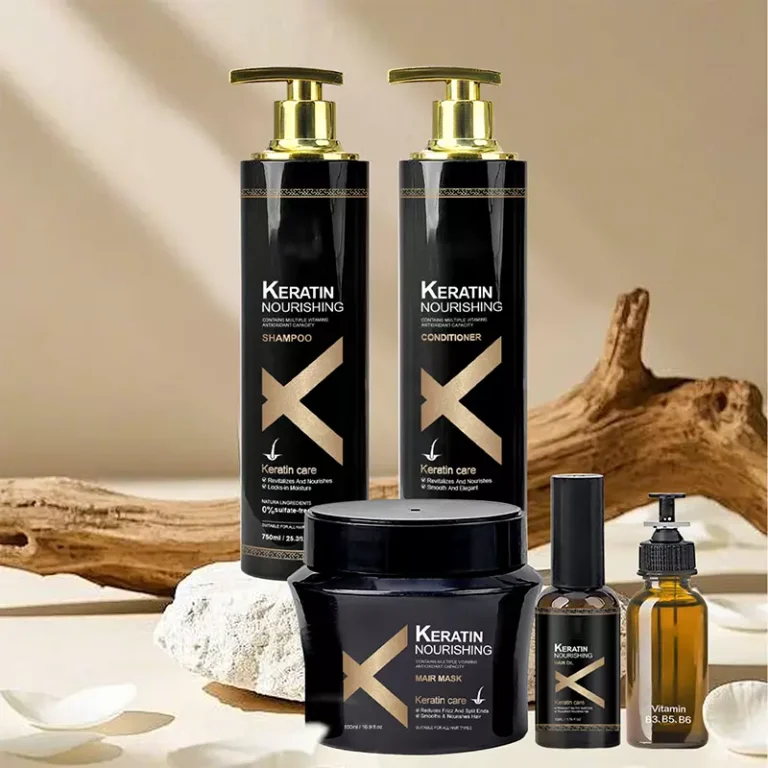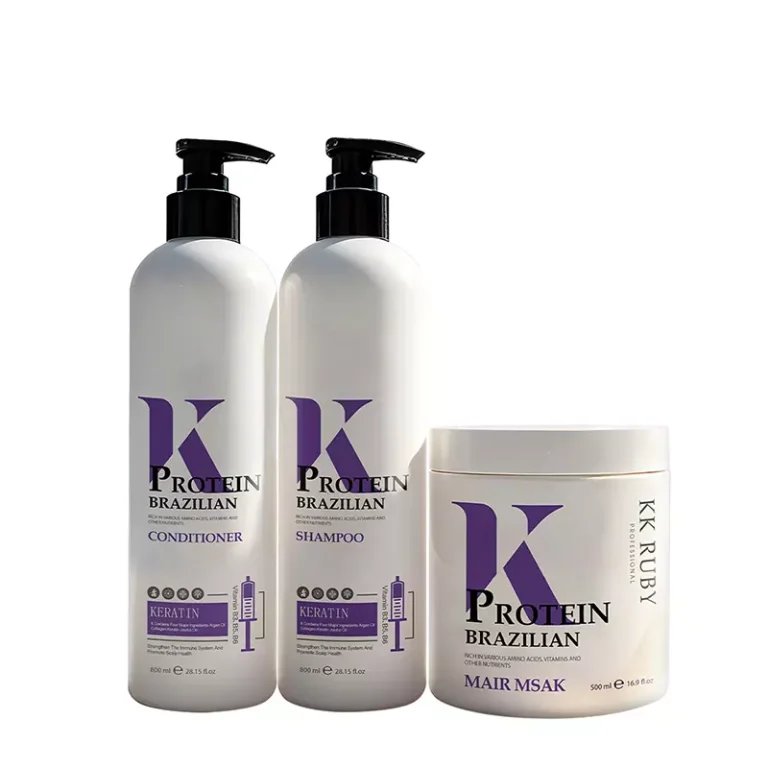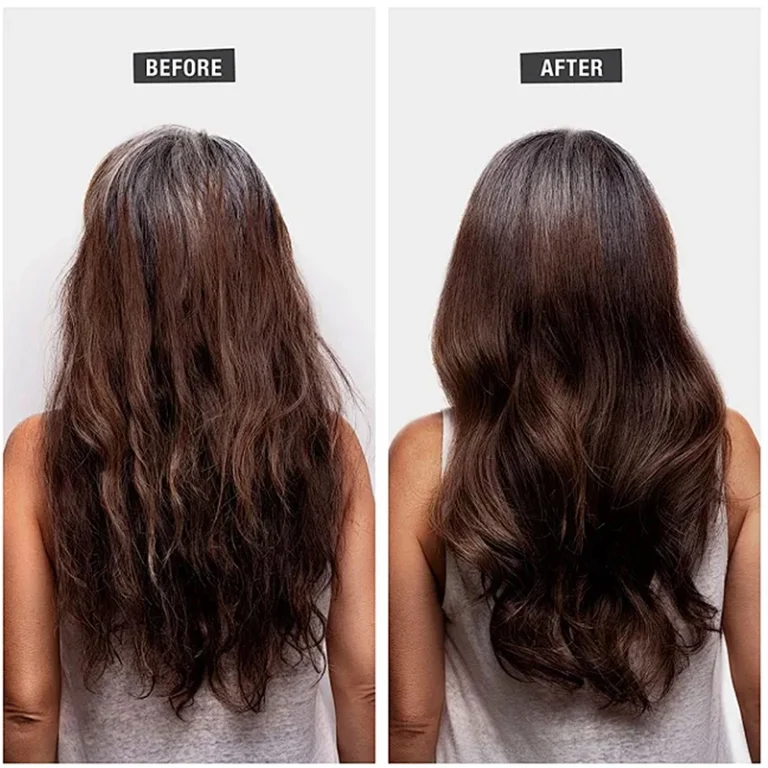
The global hair care market is projected to reach over $134 billion by 2028, with women’s specialized care driving the majority of this growth. for entrepreneurs and established beauty brands, the fastest route to capitalization is not building a factory, but partnering with a specialized Women’s shampoo OEM (Original Equipment Manufacturer).
However, the barrier to entry isn’t just finding a manufacturer; it’s finding the right one. Whether you are looking to create a niche organic product or a mass-market salon formula, understanding the OEM landscape is critical to protecting your margins and your brand reputation.
This comprehensive guide explores the strategic advantages of OEM manufacturing, current formulation trends, and the exact steps to secure a reliable supply chain.
H2: Why Smart Brands Choose OEM for Women’s Shampoo Production
Many emerging brands confuse OEM with simple wholesaling. OEM is far more powerful—it is the engine behind some of the world’s most famous “indie” beauty brands. By outsourcing production, you shift focus from operational headaches to marketing and sales.
Cost Efficiency and Capital Preservation
Setting up a GMP-compliant cosmetic laboratory and manufacturing plant requires millions of dollars in capital expenditure (CapEx). By utilizing a Women’s shampoo OEM, you eliminate costs related to:
- Heavy machinery and mixing tanks.
- Raw material warehousing and inventory management.
- Staffing chemists and quality control engineers.
This model transforms fixed costs into variable costs. You only pay for the product you sell, allowing for healthier cash flow and resources that can be redirected toward influencer marketing and retail distribution.
Access to R&D and Advanced Formulations
Top-tier OEM manufacturers do not just pour liquid into bottles; they are innovation hubs. A reputable factory will have an in-house R&D team that stays ahead of ingredient trends.
When you partner with an OEM, you gain immediate access to mature formulations. These are “base formulas” that have already passed stability testing but can be tweaked with signature ingredients (like Argan oil, Biotin, or Keratin) to create a unique SKU for your brand. This drastically reduces the Time-to-Market (TTM) from 12 months to as little as 3 months.
Top Formulation Trends in the Women’s Shampoo Market (2024-2025)
To rank on Google and sell on Amazon or Shopify, your product must meet modern consumer demands. The days of generic “detergent-heavy” shampoos are over. Your OEM partner must be capable of producing the following high-demand categories.
The “Skinification” of Hair Care
Consumers now treat their scalps like their skin. There is a surging demand for shampoos containing skincare-grade ingredients. When consulting your OEM, ask about integrating:
- Hyaluronic Acid: For intense scalp hydration.
- Salicylic Acid: For exfoliating and anti-dandruff formulations.
- Peptides: For anti-aging hair solutions and follicle strengthening.
- Niacinamide: To regulate oil production without stripping the hair.
Brands that explicitly mention these ingredients on their labels see higher Click-Through Rates (CTR) and conversion.
Clean Beauty: Sulfate-Free and Silicone-Free
“Free-from” claims are no longer a niche; they are the standard. The keyword volume for “Sulfate-free shampoo OEM“ is rising steadily. Women are looking for gentle cleansers that protect color-treated hair and maintain natural oils.
- The Challenge: Sulfate-free formulas can sometimes lack “lather” (foam).
- The Solution: An experienced OEM knows how to blend gentle surfactants (like Cocamidopropyl Betaine or Decyl Glucoside) to maintain a luxurious foam while keeping the “Sulfate-Free” claim legitimate.
Pro Tip: Ask your manufacturer for “Vegan” and “Cruelty-Free” certifications. These are critical selling points for the Millennial and Gen Z demographic.
How to Vet and Select the Right Women’s Shampoo OEM
Finding a supplier on Alibaba or ThomasNet is easy; finding a partner is hard. A poor choice can lead to leaking bottles, inconsistent textures, or legal issues. Use this criteria to vet potential manufacturers.
Certifications and Global Compliance
If you intend to sell globally (US, EU, Southeast Asia), your manufacturer’s compliance is non-negotiable. Do not rely on verbal assurances. Request digital copies of the following:
- GMPC (Good Manufacturing Practice of Cosmetics): Essential for safety and sanitation standards.
- ISO 22716: The international standard for cosmetic manufacturing.
- FDA Registration: Crucial if you are importing into the United States.
- MSDS (Material Safety Data Sheets): Required for shipping logistics.
If a manufacturer hesitates to show these documents, walk away immediately.
MOQ is often the biggest friction point. Large factories prefer runs of 10,000+ units, which is risky for startups.
- Flexible OEMs: Look for manufacturers offering “semi-custom” options with lower MOQs (e.g., 500–1,000 units) using stock packaging.
- Scalability: Ensure the factory has the capacity to scale. If your TikTok ad goes viral and you need 50,000 units next month, can they deliver? A good OEM partner grows with you.
| Feature | Standard OEM | Premium/Agile OEM |
| MOQ | 5,000 – 10,000 units | 500 – 1,000 units |
| Lead Time | 45-60 Days | 25-35 Days |
| Customization | Basic Scent/Color | Full Custom Formula |
| Packaging | Standard Bottle | Custom Mold & Private Label |
The Step-by-Step OEM Process: From Concept to Shelf
Understanding the workflow helps you manage expectations and launch on time. Here is the typical lifecycle of a women’s shampoo OEM project.
1. Sample Development and Stability Testing
Never place a bulk order without testing a sample.
- Briefing: You tell the manufacturer your target benchmark (e.g., “I want a formula like Olaplex No.4”).
- Prototyping: The lab creates a sample.
- Testing: You test the texture, scent, and foam.
- Stability Test: Critical Step. The lab subjects the shampoo to extreme heat and cold to ensure it doesn’t separate or change color. This usually takes 2-4 weeks but ensures your product doesn’t spoil on retail shelves.
2. Packaging Design and Private Labeling
Packaging sells the product before the customer even smells it.
Most OEMs offer “Turnkey Solutions,” meaning they source the bottles, pumps, and labels for you.
- Current Trend: PCR (Post-Consumer Recycled) plastic bottles and minimalist typography.
- Labeling Compliance: Ensure your OEM helps verify that your label meets local regulations (e.g., listing ingredients in the correct INCI format).
Common Pitfalls to Avoid in Private Label Manufacturing
To ensure this content is valuable and distinct from AI-generated fluff, we must address the risks.
H3: Ignoring Intellectual Property (IP) Rights
Who owns the formula? In a standard OEM arrangement, the factory often retains the rights to the “base formula.” If you pay for a custom development (ODM), you should negotiate ownership or an exclusivity agreement. This prevents the factory from selling your exact formula to a competitor next month.
Underestimating Lead Times and Logistics
Manufacturing is only half the battle. Shipping liquids internationally is complex. Shampoos are heavy and dense.
- Sea Freight vs. Air Freight: Air freight is fast but destroys margins on heavy items like shampoo. Plan your inventory 3-4 months in advance to utilize sea freight (cheaper but slower).
- Customs Clearance: Ensure your OEM provides the correct HS Codes to avoid delays at customs.
Conclusion: Start Your Hair Care Journey Today
The demand for specialized, high-quality women’s shampoo is not slowing down. Whether you want to launch a purple shampoo for blondes or a ginger root shampoo for hair growth, the key is finding a Women’s shampoo OEM that acts as a strategic partner, not just a vendor.
Success lies in the balance of a high-performance formula, compliant manufacturing, and a distinct brand story. Don’t let manufacturing complexities hold your brand back.
Ready to turn your formula idea into a finished product?
Stop searching and start building. We specialize in connecting brands with premium, GMP-certified manufacturing solutions tailored to your MOQs and budget.
[Click here to chat with us on WhatsApp] regarding your custom shampoo requirements, and let’s get your samples into production this week.