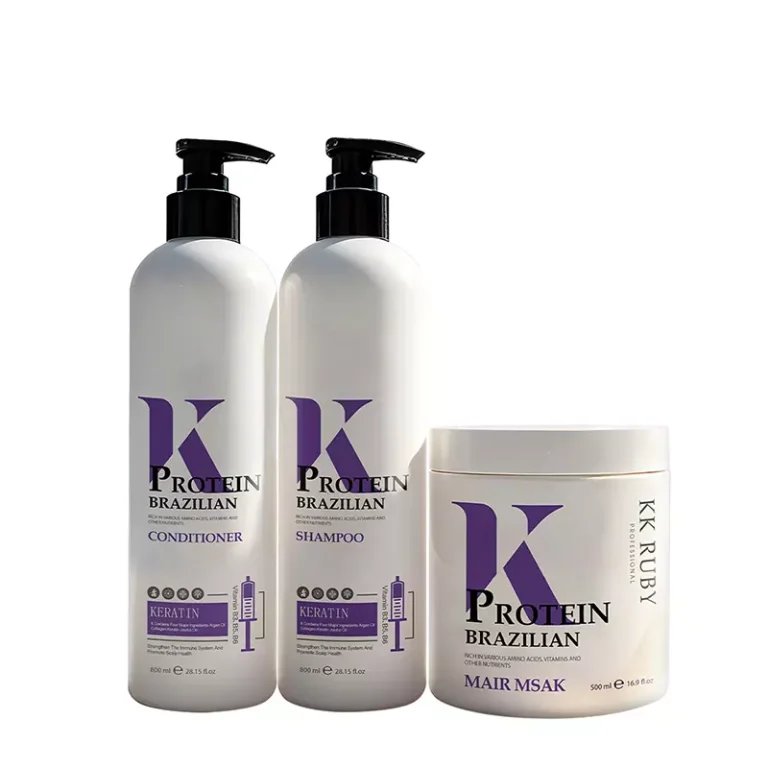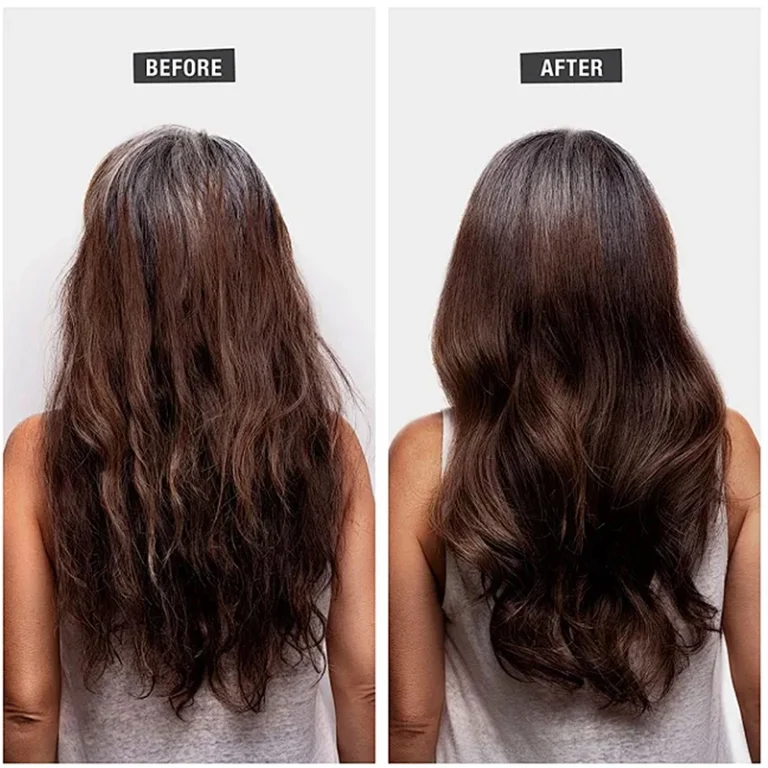
According to global market research data, the market size for women’s specific shampoo reached 87 billion yuan in 2023 and is expected to grow at an average annual rate of 11.2% over the next five years, significantly higher than the 6.5% growth rate of the overall shampoo market. Behind this rapid growth is a fundamental shift in female consumer consciousness: shampoo is no longer just a cleansing tool but an integral part of personal care rituals, scalp health management, and self-expression.
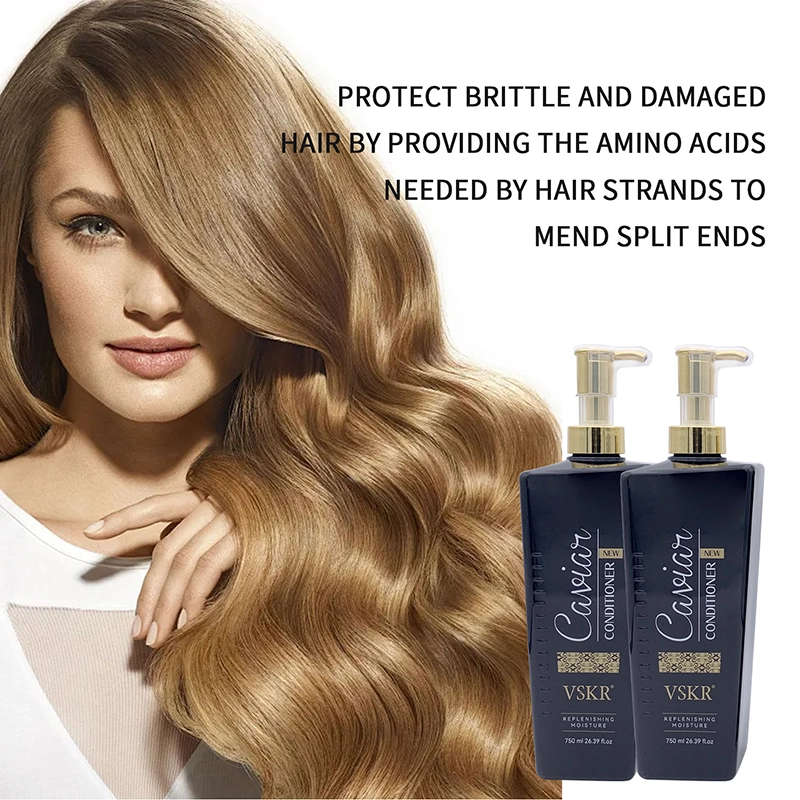
Professional women’s shampoo manufacturers must recognize that modern female consumers exhibit distinct “ingredient awakening” characteristics. Over 73% of women aged 25-40 actively check shampoo ingredient lists, with awareness of components like sulfates, silicones, and preservatives as high as 65%. They are no longer satisfied with “advertising claims” but seek scientifically proven solutions. Successful manufacturers need to build multidisciplinary professional teams encompassing dermatologists, hairstylists, and chemists to truly understand the biological characteristics of the female scalp and hair.
Scientific Insights into Gender-Specific Scalp Issues
Female scalp physiology differs significantly from males. Influenced by hormonal cycles, women’s scalp sebum secretion patterns, pH fluctuations, and microbiome composition possess unique characteristics. Research by professional women’s shampoo manufacturers reveals that during special phases such as pre-menstruation, pregnancy, and menopause, female scalp sensitivity increases by 42% and hair loss risk rises by 35%.
In-depth surveys show that 78% of women face at least one scalp issue: 46% struggle with an oily scalp but dry ends; 33% experience stress-related hair loss; 29% have fragility and breakage post-coloring/perm treatments. These data point to a clear conclusion: universal shampoos can no longer meet women’s needs. The market urgently requires professional solutions based on gender-specific physiological differences.
The New R&D Paradigm for Professional Women’s Shampoo Manufacturers
Lifecycle Scalp Care Solutions for Women
Leading women’s shampoo manufacturers have shifted their R&D perspective from “hairstyle needs” to “lifecycle care,” developing product matrices targeting different physiological stages:
Specialized Formula Development for Adolescence & Young Women (15-25 years)
This stage is characterized by active scalp sebum secretion and frequent styling/coloring. Manufacturers have developed “dual-zone care” technology—gently purifying the scalp area via a micro-molecular cleansing system while forming a protective film on hair ends with reparative polymers. For trendy color treatments, weak acidic shampoos with a pH of 4.5-5.5 have been developed, significantly slowing pigment loss and extending color retention by 40%.
Dedicated Series Development for Pregnant and Postpartum Women
Changing estrogen levels during pregnancy put hair into a super-growth phase, followed by postpartum telogen effluvium. Top manufacturers collaborate with obstetric experts to develop safe formulas不含 specific phytoestrogens (e.g., certain essential oils), while adding ingredients like flaxseed extract and keratin peptides to help stabilize the hair follicle cycle. Such products typically undergo skin irritation tests and pregnancy safety assessments, establishing special trust markers.
Deep Integration of Ingredient Innovation and Female Consumer Psychology
Dual Breakthroughs in “Sensory Experience” & “Efficacy Proof”
Female expectations for shampoo encompass both functional and emotional dimensions. Innovative manufacturers have developed “texture-transformation” technology—the product appears as a rich lather during washing for effective cleansing, then transforms into a silky milk upon contact with wet hair to reduce friction damage. Meanwhile, through precise blending of ingredients like hyaluronic acid microcapsules and plant keratin, a balance between “instant tactile improvement” and “long-term reparative effects” is achieved.
Validating the Efficacy of Natural Ingredients Valued by Women
Over 68% of women prioritize shampoos containing natural ingredients, but they also question their actual effectiveness. Forward-thinking manufacturers employ “plant ingredient fingerprinting” technology, using HPLC (High-Performance Liquid Chromatography) to ensure stable active compound content in each batch of raw materials, and conduct double-blind clinical tests to verify efficacy. For example, six-month hair growth studies on rosemary extract provide visual data proving its effectiveness.
Strategies for Expanding in the Female Market: From Production to Branding
B2B Collaboration Models: Providing Comprehensive Support for Female Brands
The cooperation between modern professional women’s shampoo manufacturers and brands has transcended traditional OEM, forming deep strategic partnerships:
Precision Formulation Library Based on Big Data Insights
Top manufacturers have established data platforms containing insights from over 2 million female consumers’ scalp and hair data, analyzing theof women across different regions, ages, and lifestyles. When a new brand positions itself in the “anti-hair loss market for working women over 30,” the manufacturer can immediately provide a base formula validated on similar demographics, shortening the R&D cycle by 60%.
Complete Solutions for Female Consumption Scenarios
Manufacturers provide brand clients with full solutions from product to experience: including video tutorials of scalp massage techniques the products, scalp care guides aligned with menstrual cycles, compatibility test reports with styling tools, etc. These value-added services help brands build a professional image and enhance user loyalty.
Sustainable Manufacturing Systems Driven by Female Values
Eco-Friendly Packaging and Female Consumer Choice
Research finds that 64% of female consumers are willing to pay a premium for eco-friendly packaging. Forward-looking manufacturers offer multiple sustainable options: bottles made from 100% recycled ocean plastic, refillable aluminum alloy packaging, water-soluble film-packed shampoo tablets. They also establish packaging recycling incentive programs, resonating with female consumers’ environmental values.
Female-Centric Social Responsibility Practices
Leading manufacturers direct a portion of profits into women’s health公益 projects, such as “donating to breast cancer research per bottle sold” or supporting community projects for female entrepreneurs. These practices are showcased to partner brands through transparent financial reports, becoming powerful components of brand storytelling that deeply connect with female consumer emotions.
Technological Innovation and the Future of Female Personalized Care
The Convergence of Precision Diagnosis and Customized Production
AI Scalp Diagnosis and Personalized Formula Generation
Innovative manufacturers develop home-use intelligent scalp detectors that connect via mobile phones to analyze eight scalp indicatorsmoisture, oil, and health. After data uploads to the cloud, AI algorithms match the most suitable ingredient ratios, and production lines complete the manufacturing and delivery of 200ml personalized shampoo within 72 hours. This “one person, one formula” model has proven viable in niche high-end markets.
Modular Flexible Production Systems
To achieve small-batch personalized production, manufacturers design modular production units: functional ingredient addition modules, fragrance customization modules, texture adjustment modules. Brands can even offer VIP clients a “self-select ingredient combination” service, allowing consumers to participate in creating their own shampoo within preset safety parameters, enhancing engagement and uniqueness.
The Convergence of Women’s Health Tech and Hair Care
Interlinked Products for Menstrual Care and Scalp Health
Forward-thinking manufacturers collaborate with femtech companies to develop shampoo series synchronized with the menstrual cycle. Through app-based cycle tracking, formulas with slightly stronger cleansing power are recommended during the luteal phase (high sebum secretion), and reparative formulas during the follicular phase (relatively stable scalp), achieving truly personalized.
Olfactory Emotion Research and Female Stress Management
Based on the principle that “smell directly affects the limbic system’s emotional center,” manufacturers collaborate with perfume laboratories to research and develop fragrance systems with mood-regulating functions. For stress-related scalp issues, they develop scent profiles containing soothing ingredients like bergamot and cedar, their relaxing effects through EEG tests, pioneering the new category of “emotional care shampoo.”
Establishing Industry Benchmarks: Certifications and Standards for Women’s Shampoo Manufacturers
Special Female Safety Certification Systems
Safety Standards for Pregnancy and Lactation
Establishing a “Female Special Period Safety Certification” that exceeds national standards, conducting reproductive toxicity risk assessments on over 600 ingredients to ensure absolute product safety during pregnancy and lactation. This certification has become an entry ticket to high-end channels and a core selling point for professional female brands.
Clinical Validation Standards for Female Sensitive Scalp
Collaborating with dermatology hospitals to establish “Female Sensitive Scalp Test Panels,” subjecting products to rigorous evaluations like 28-day closed patch tests and. Products that pass receive a “Clinically Tested for Sensitive Scalp” mark, which holds extremely high trust value among women with sensitive skin.
Transparency Building and Female Consumer Education
Visual Communication of Ingredient Stories
Addressing female consumers’ for ingredients, manufacturers develop “Ingredient Traceability Systems”: scanning a QR code on the packaging allows viewing the origin, harvest season, extraction process videos of key botanical ingredients, and even interviews with the growers. This transparency significantly enhances brand credibility.
Establishing Female Scalp Health Knowledge Platforms
Leading manufacturers no longer remain hidden behind brands but establish consumer-facing scalp healthplatforms. In-house dermatologists and hair experts author content, answering common female scalp. Thisof professional knowledge both establishes industry authority and drives quality potential customers to partner brands.
Conclusion: Becoming a Trusted Scalp Health Partner for Women
During this critical period of transition in the women’s shampoo market from “basic cleansing” to “scalp health management,” the role of professional women’s shampoo manufacturers is being. Successful manufacturers must simultaneously be dermatological researchers, female psychology insights experts, sustainable practitioners, and flexible innovators.
Over the next three years, the women’s shampoo market will exhibit two major trends: first, further segmentation, with of specialized products for lifestyles, and scalp types; second, technological integration, where AI diagnosis, personalized customization, and smart packaging will become standard in the high-end market.
For women’s shampoo manufacturers aspiring to become industry leaders, now is the strategic opportunity period to invest in female-specific R&D facilities, establish gender-differentiated databases, and cultivate interdisciplinary women’s health research teams. Only those manufacturers who truly understand and respect the unique needs of the female scalp and hair, and can translate this understanding into safe, effective, and pleasurable products, will build lasting competitiveness in the hundred-billion-yuan female scalp care market, transforming from suppliers into trusted