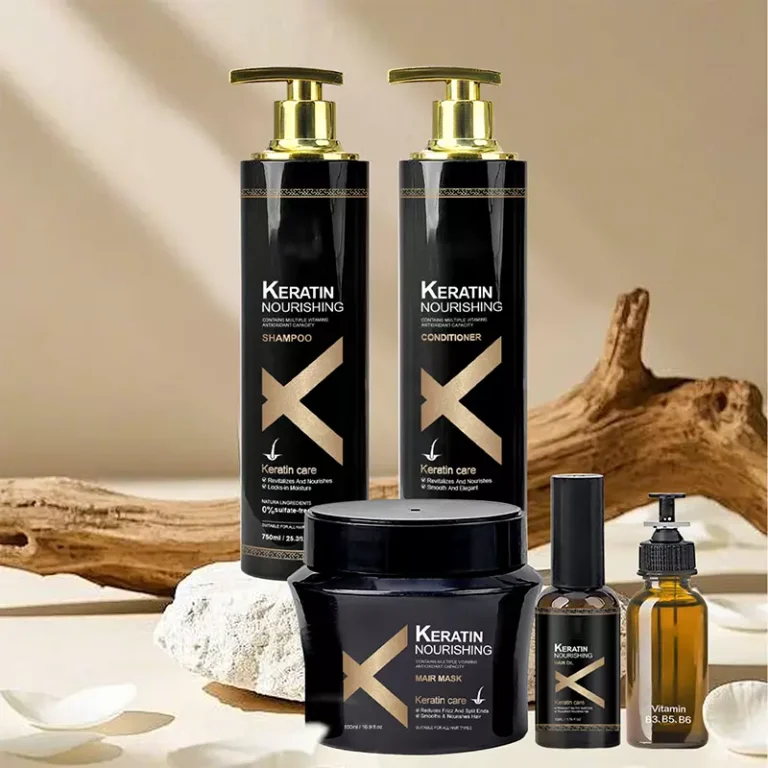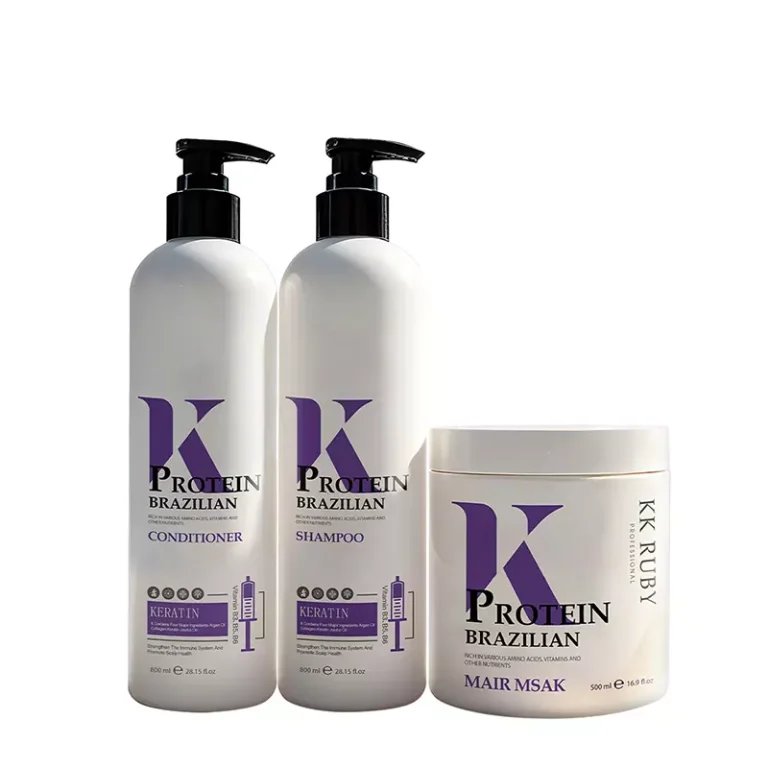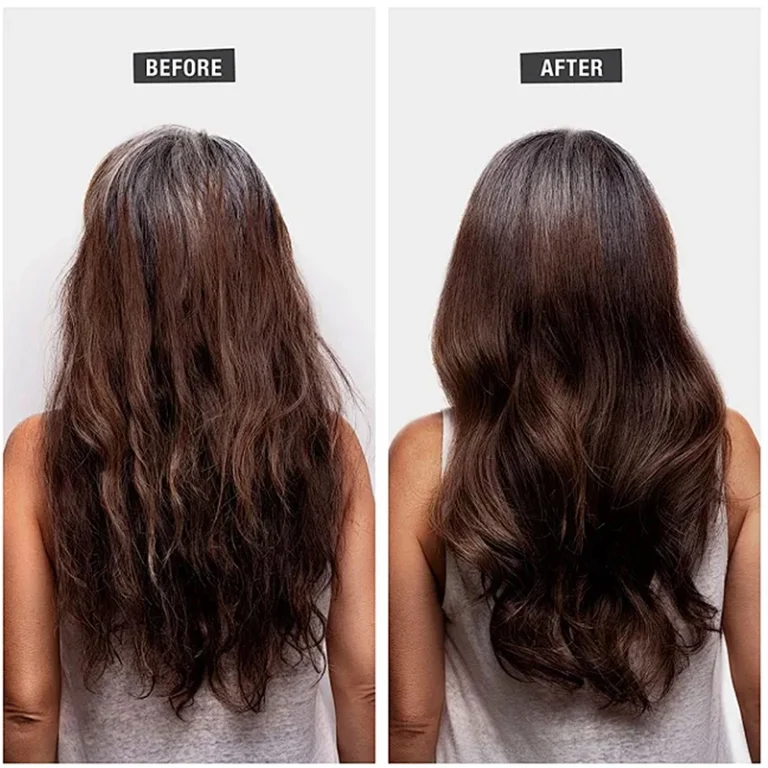
In today’s competitive beauty industry, launching your own shampoo line has never been more accessible thanks to white label and private label manufacturing. These services allow entrepreneurs, salon owners, and established brands to bring custom hair care products to market without investing in manufacturing facilities, R&D, or regulatory compliance infrastructure. The global hair care market continues to grow, with consumers increasingly seeking specialized formulations that address specific concerns like scalp health, natural ingredients, and sustainability.
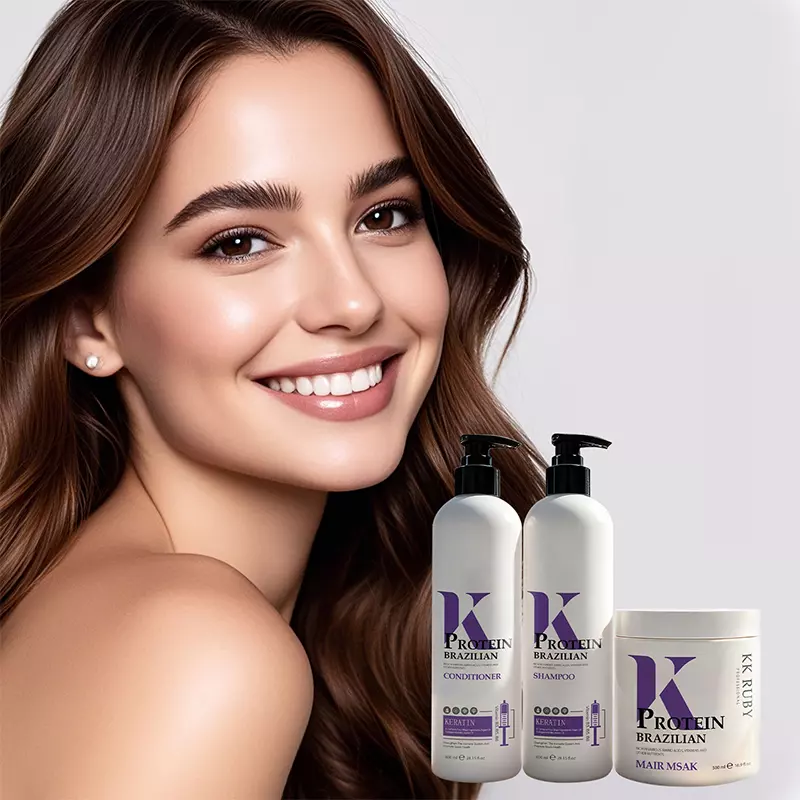
The advantage of working with a professional Shampoo Factory is the ability to leverage their expertise while building your unique brand identity. Whether you’re looking to create a Shampoo private brand from scratch or expand an existing product line, understanding the manufacturing process and options available will help you make informed decisions for your business growth.
Why Choose White Label Shampoo Products?
White label manufacturing offers numerous advantages for brands looking to enter the hair care market efficiently. The most significant benefit is speed to market – since manufacturers already have proven formulations ready, you can launch your products in weeks rather than the months or years it would take to develop formulas independently. This approach also provides cost efficiency by eliminating the need for expensive research, development, and testing facilities.
The scalability of white label production allows brands to start small and grow without manufacturing constraints. Most manufacturers offer flexible minimum order quantities (MOQs), with some requiring as little as 500 units for initial orders . This flexibility enables you to test market response before committing to large production runs. Additionally, working with established manufacturers gives you access to professional expertise in formulation, regulatory compliance, and industry trends that would otherwise require significant resources to develop internally.
White label services also provide extensive customization options. While you start with a base formula, you can typically customize elements like fragrance, texture, color, and active ingredients to create a product that aligns with your brand’s unique value proposition. Many manufacturers also offer packaging design services, helping create a cohesive brand identity across your product line .
Selecting the Right Shampoo Formulations
The foundation of a successful Shampoo private brand lies in selecting the right formulations for your target market. Today’s consumers are educated about ingredients and their benefits, so your product selections should reflect current market trends and consumer preferences.
Natural and organic formulations continue to gain popularity, with many manufacturers offering options free from sulfates, parabens, and synthetic fragrances. These clean beauty alternatives appeal to health-conscious consumers and those with sensitive skin or scalp conditions . For brands targeting specific hair concerns, specialized formulations offer targeted solutions. These include shampoos for hair growth (often containing biotin, caffeine, or DHT blockers), scalp treatments (with ingredients like tea tree oil or salicylic acid), and color-safe formulas that gently cleanse while preserving hair color .
The growing demand for sustainable beauty has led to eco-friendly options that use biodegradable ingredients and environmentally responsible packaging. Many manufacturers now offer concentrates that reduce shipping weight and carbon footprint, along with refillable packaging options . For brands appealing to diverse cultural hair care traditions, ethnic-specific formulations address unique texture needs. Similarly, Ayurvedic and herbal blends incorporating traditional ingredients like shikakai, amla, and bhringraj offer holistic hair care solutions that resonate with consumers interested in natural wellness approaches .
When selecting formulations, request samples from your Shampoo Factory to evaluate quality, fragrance, texture, and performance. Consider your target market’s preferences and price points to ensure your selections align with their expectations and needs.
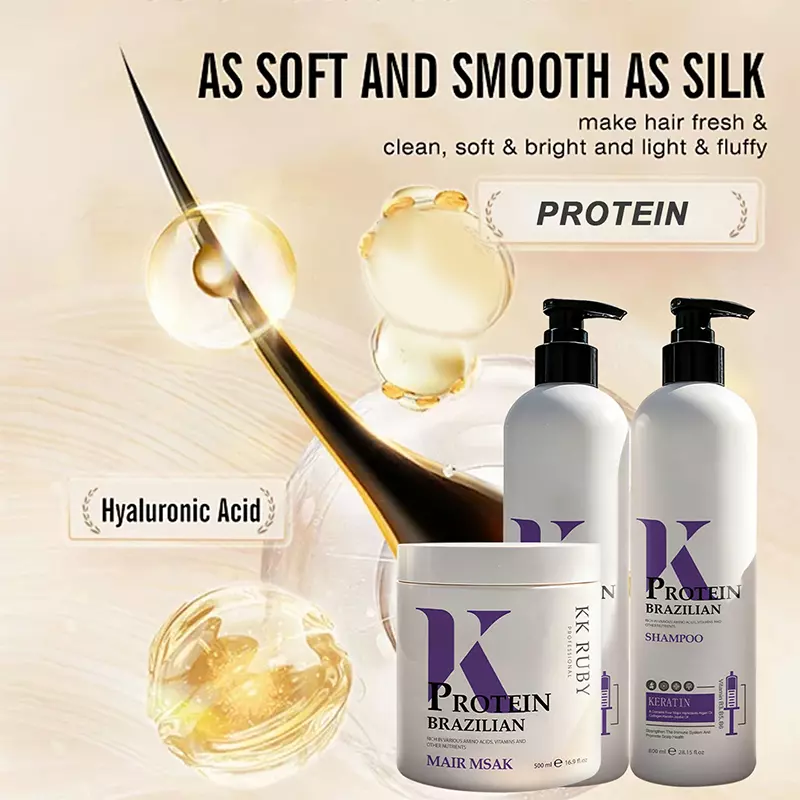
Choosing the Right White Label Manufacturer
Selecting the right manufacturing partner is crucial for your Shampoo private brand success. Several factors should influence your decision to ensure a productive partnership that supports your business goals.
Certifications and quality control are fundamental considerations. Look for manufacturers with relevant certifications such as FDA registration, ISO standards, GMP (Good Manufacturing Practices), and organic certifications where applicable . These credentials indicate adherence to quality and safety standards that protect your brand and customers. The manufacturing capabilities of a facility determine what they can produce for you. Consider whether they have experience with your preferred product types, their production capacity, and their ability to scale with your business. Facilities with in-house R&D departments can also help with custom formulations as your brand evolves .
Minimum order quantities vary significantly between manufacturers. Some specialize in small batches ideal for startups, while others require larger commitments better suited to established brands. Discuss MOQs upfront and look for flexibility that matches your business stage . Additionally, evaluate the level of customization each manufacturer offers. While some provide completely custom formulations, others may only allow branding and packaging customization. Ensure your partner can deliver the degree of product personalization your brand strategy requires .
Geographic location impacts shipping costs, timelines, and import regulations. Domestic manufacturing may offer faster turnaround, while international partners might provide cost advantages. Consider your primary market and choose accordingly . Finally, review the additional services included. Many manufacturers offer turnkey solutions including packaging design, regulatory compliance support, and fulfillment services. These value-added services can streamline your operations, especially if you’re new to product manufacturing .
Product Customization and Branding Opportunities
Creating a distinctive Shampoo private brand involves strategic customization that resonates with your target audience. While white label manufacturers provide base formulations, effective branding transforms these products into unique market offerings.
Packaging design serves as your first point of contact with potential customers. Work with your manufacturer to select bottles, caps, and labels that reflect your brand personality. Consider functional aspects like dispensing mechanisms (pumps, flip tops, or squeeze tubes) alongside aesthetic elements like color, texture, and finish . Many Shampoo Factory partners offer stock packaging options with custom labeling for cost efficiency, or fully custom containers for brands with specific design visions.
Formula adjustments allow you to differentiate your products even when starting with a base formulation. Many manufacturers permit modifications such as adding or increasing active ingredients, adjusting fragrance profiles, or altering texture and color . These tweaks can significantly enhance your product’s market positioning without the expense of full custom formulation.
Labeling and storytelling transform generic products into branded experiences. Develop compelling narratives around your ingredients, brand values, or product benefits. If using natural ingredients like shikakai or honey, highlight their traditional uses and benefits . Transparency about ingredient sourcing, manufacturing processes, and ethical commitments builds trust with increasingly conscious consumers.
Many manufacturers now offer sustainable packaging options including recycled materials, refillable systems, and biodegradable alternatives. These environmentally responsible choices appeal to eco-conscious consumers and can become a key brand differentiator .
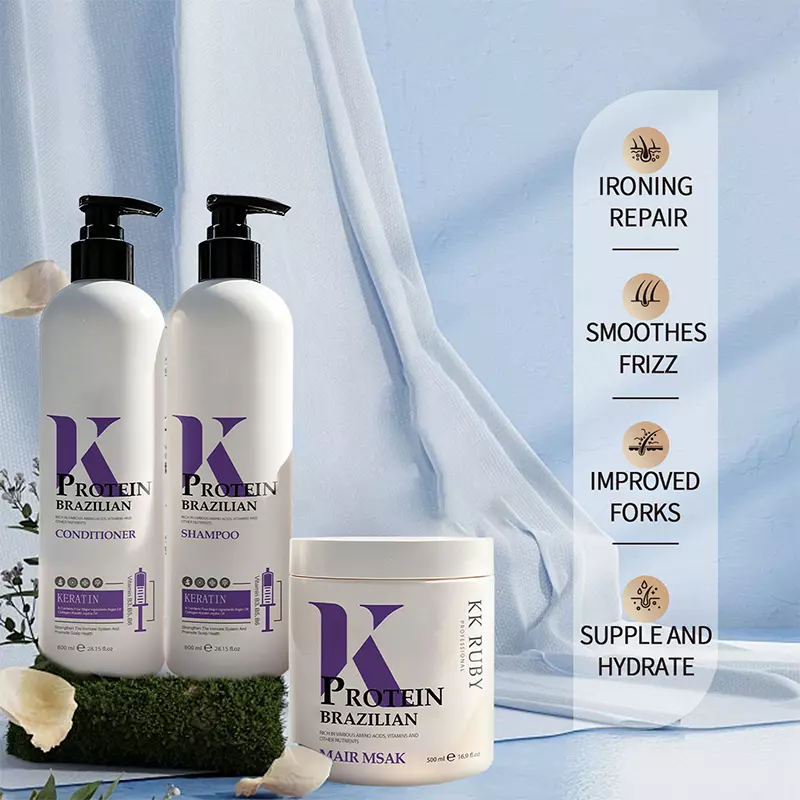
Bringing Your White Label Shampoo to Market
Successfully launching your white label shampoo products involves strategic planning beyond the manufacturing process. From marketing to distribution, several factors contribute to market success.
Develop a comprehensive marketing strategy that highlights your unique selling propositions. Whether emphasizing natural ingredients, clinical results, or value pricing, consistent messaging across channels builds brand recognition. Consider offering product variations like complementary conditioners, hair masks, or scalp treatments to create a complete hair care system. This approach encourages customers to purchase multiple items from your brand rather than mixing with competitors’ products .
Ensure regulatory compliance for your target markets. Reputable manufacturers will provide necessary documentation including Certificates of Analysis (COA), safety data sheets, and ingredient statements . For international sales, verify that your products meet destination country regulations. Implement quality assurance processes by requesting batch samples before large shipments. Establish clear quality standards with your manufacturer regarding product consistency, packaging integrity, and performance. Regular quality checks maintain product standards as you scale.
Plan your inventory management to balance having sufficient stock without overcommitting resources. Many manufacturers provide production timelines—typically 6-12 weeks from order to delivery—which you should factor into your planning . As your Shampoo private brand grows, explore opportunities for product line expansion. Successful initial products provide a foundation to introduce complementary items like styling products, treatments, or extensions into related categories like men’s grooming or pet care .
Conclusion: Building Your Brand with White Label Shampoo
Creating a successful Shampoo private brand through white label manufacturing offers a strategic path to market entry and expansion. By partnering with an experienced Shampoo Factory, you can focus on building your brand and connecting with customers while leveraging professional expertise in formulation, compliance, and production.
The white label approach provides the flexibility to start small, test market response, and scale efficiently as your business grows. With manufacturers offering increasingly sophisticated options for customization—from ingredients and fragrances to packaging and branding—you can create distinctive products that stand out in a competitive market.
As consumer preferences continue evolving toward specialized, transparent, and sustainable hair care solutions, white label manufacturing remains an effective strategy for bringing quality products to market efficiently. By selecting the right manufacturing partner and focusing on strategic branding, you can build a shampoo brand that resonates with today’s discerning consumers and stands the test of time.