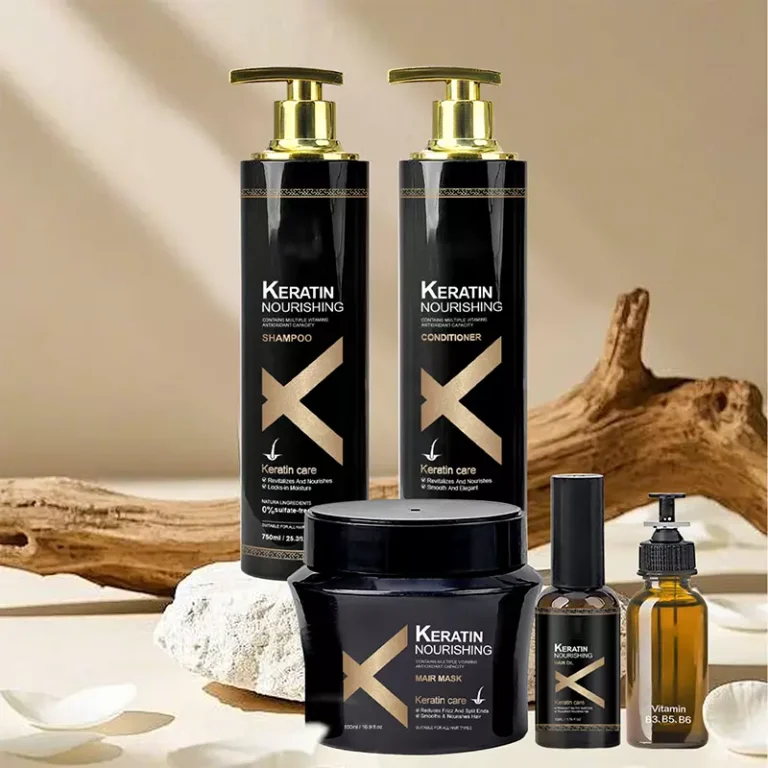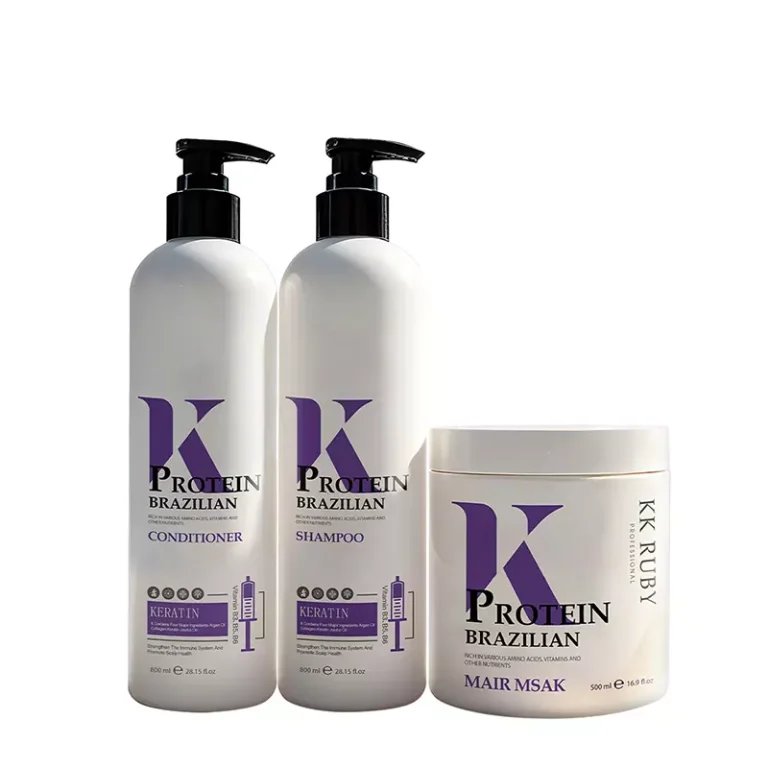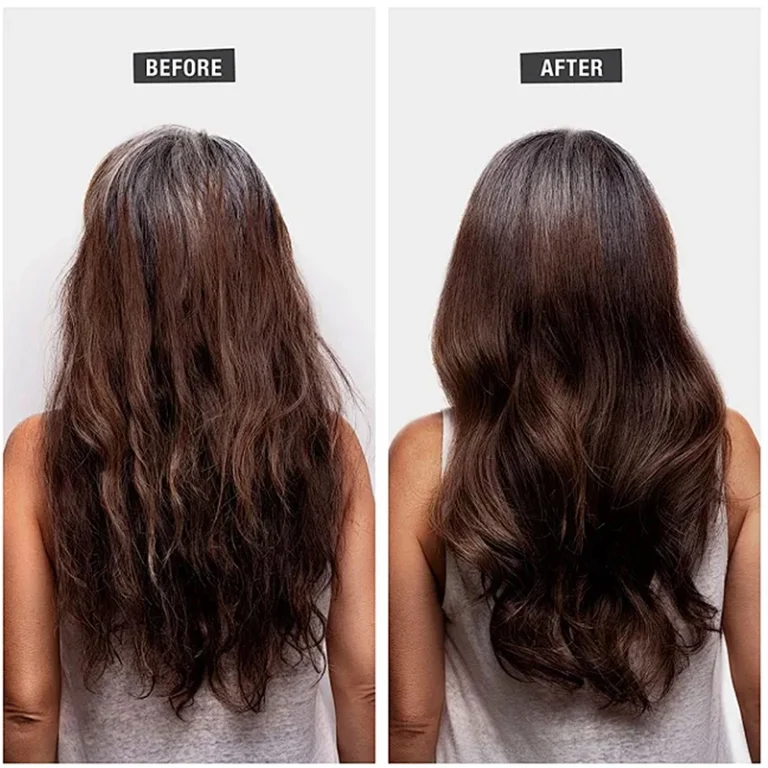
In the increasingly competitive personal care market, understanding what is shampoo OEM is the essential first step for any brand entering this sector. Choosing a high-quality shampoo factory not only solves technical production challenges but also enhances your product’s core competitiveness through a mature R&D system. This guide reveals the entire shampoo contract manufacturing process to help you avoid industry pitfalls and build a long-lasting brand.
User Pain Points: Core Anxieties of Shampoo Brands
When launching a shampoo project, brand owners are often concerned not just with production, but with market performance and long-term risk management.
1. Formula Homogenization and the “Trust Crisis”
Many startup brands find that samples from different shampoo factories feel remarkably similar in terms of foam texture, scent, and smoothness. These “generic formulas” lead to a lack of brand identity. Furthermore, brands often worry that during bulk production, the shampoo OEM might reduce active ingredients to cut costs, resulting in a product that performs worse than the initial sample.
2. Regulatory Barriers and Compliance Hurdles
Cosmetic regulations (such as the FDA in the US or the NMPA in China) are becoming stricter. Registering formulas and validating efficacy claims (like anti-hair loss or anti-dandruff) requires significant time and capital. If your shampoo factory is unfamiliar with these laws or lacks proper certification, your brand could face registration rejections or heavy fines and product recalls.
3. The Tug-of-War Between MOQ and Turnover
Traditional production lines prioritize economies of scale, often requiring minimum order quantities (MOQ) of 5,000 or even 10,000 bottles. For brands looking to test the market with agile methods, high MOQs mean massive inventory risks. Additionally, long lead times (2-3 months) can cause brands to miss critical promotional windows like e-commerce festivals or viral trends.
OEM Solutions: From Manufacturing to Strategic Empowerment
A top-tier shampoo OEM service is no longer just “production for hire”; it is a comprehensive supply chain synergy solution.
1. Deeply Customized “Exclusive R&D” Services
To combat homogenization, leading shampoo factories offer differentiation strategies:
- Cutting-edge Ingredients: Utilizing micro-encapsulation technology, biomimetic silk proteins, or probiotic components focused on scalp micro-ecology.
- Fragrance Economics: Partnering with global giants (like Givaudan or Firmenich) to develop sophisticated fragrance profiles with top, middle, and base notes, enhancing the product’s sensory value.
- Clean Beauty Frameworks: Developing sulfate-free, silicone-free, and paraben-free products with eco-friendly packaging to target high-end, conscious consumers.
2. Full-Lifecycle Regulatory and Compliance Support
Professional OEM manufacturers provide robust legal teams to support brand owners with:
- Efficacy Validation: Assisting with clinical trials and consumer tests to ensure claims like “48-hour oil control” are backed by data.
- Fast-Track Registration: Leveraging industry experience to anticipate auditor focus, significantly shortening the time-to-market.
- Label Review: Auditing all packaging text to ensure compliance and avoid prohibited “medical” claims or false advertising.
3. Flexible Supply Chains for Small-Batch Testing
To adapt to the fast-paced world of TikTok and Instagram marketing, modern factories have introduced “Agile Response” models:
- Low MOQ Startups: Providing small batches (1,000–2,000 bottles) for new brands using stock packaging or public molds to get products online quickly.
- Integrated Warehousing: Some factories offer “Cloud Warehousing,” connecting production, QC, and fulfillment in one seamless flow, reducing the brand’s operational complexity.
Factory Strength: How to Identify a Reliable Partner
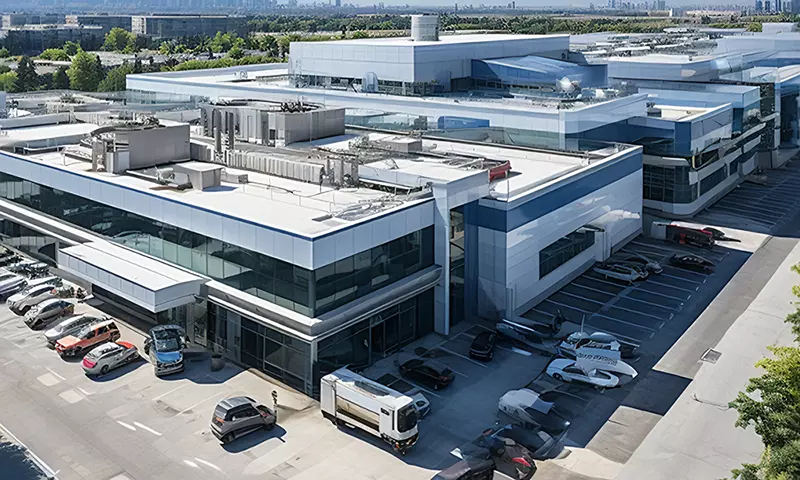
When auditing a shampoo factory, look beyond the showroom samples and examine the “invisible” technical strengths.
1. R&D Laboratory and Patent Portfolio
The essence of shampoo is the precise balance of surfactants and conditioning agents.
- R&D Expertise: Does the factory employ specialists in dermatology and biochemistry? Can they model formulas for specific hair types (oily, dry, damaged)?
- Patent Protection: High-quality factories often hold patents for “Scalp Soothing Complexes” or “Long-lasting Fragrance Tech.” Using these patented formulas gives your brand a significant edge in marketing.
2. Hardware Facilities and Quality Control Systems
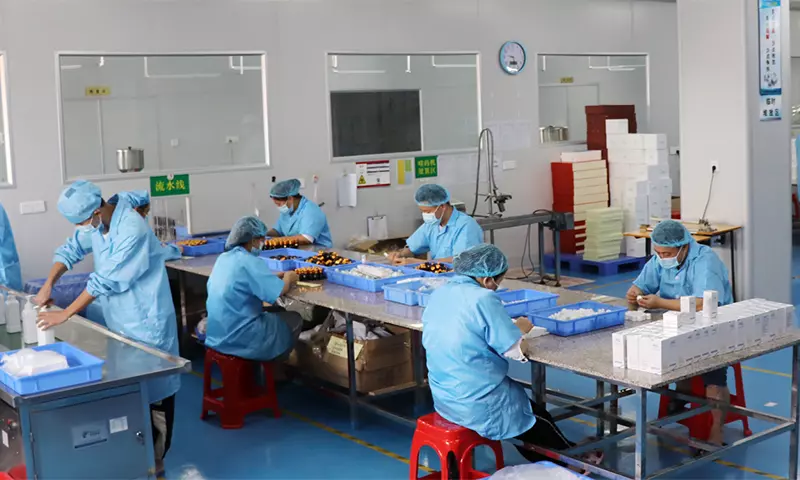
- Water Treatment: Water makes up about 80% of shampoo. Ensure the factory uses a double-pass reverse osmosis (RO) deionized water system. Water purity directly affects shelf life and stability.
- Cleanroom Standards: Confirm if they meet 100,000-grade GMPC standards. High-standard environments ensure microbial levels are far below national limits.
- Automated Filling Lines: Higher automation means less human interference, resulting in consistent weight, scent, and color across every bottle.
3. Supply Chain Integration and Global Sourcing
A premier shampoo OEM partner is usually a strategic partner with international raw material suppliers.
- Ingredient Traceability: Can they provide certificates of origin from BASF, Dow, or Seppic?
- Packaging Synergy: Do they have vetted resources for bottle and pump manufacturers? The tactile feel of a pump and its leakage rate are critical to user experience; a professional factory provides the best solutions here.
The 6-Step Shampoo OEM Process: From Concept to Bestseller
To help brands manage timelines, here is the standardized workflow for shampoo contract manufacturing:
- Brand Planning: Defining the target audience (e.g., Gen Z hair loss) and core USP (e.g., Ginger anti-hair loss).
- Sampling & Blind Testing: The factory provides 3-5 samples. The brand conducts blind tests focusing on foam volume, ease of rinsing, and post-wash “bounce.”
- Compliance & Design: While sampling, the factory starts stability testing. The brand finishes visual design, which the factory then audits for legal text.
- Packaging Procurement: Bottles and pumps arrive. The factory conducts compatibility tests to ensure the formula doesn’t react with the plastic or rust the pump spring.
- Production & Filling: Ingredients are mixed in a sterile environment. The bulk liquid undergoes a 48-hour microbial hold before being filled.
- Inspection & Shipping: Every batch is sampled for records. The factory issues a Certificate of Analysis (COA) before shipping to the brand’s warehouse.
FAQ: Common Questions About Shampoo OEM
1. How is the cost of shampoo OEM structured?
Costs generally fall into four categories:
- Formula Cost: Depends on active ingredient quality (e.g., Amino Acid vs. Sulfate surfactants).
- Packaging Cost: Materials (PET/HDPE), pump type, and printing techniques.
- Processing Fee: Factory setup, labor for filling, and secondary packaging.
- Testing/Registration: Regulatory filing fees and specialized efficacy testing.
2. What is the difference between Shampoo OEM and ODM?
- OEM (Original Equipment Manufacturer): You provide the formula or specific requirements, and the factory handles production.
- ODM (Original Design Manufacturer): The factory provides a turnkey solution (ready-made formula, packaging design, marketing points), and you simply add your logo.
3. Why do some shampoos feel “stiff” while others feel “greasy”?
This depends on the ratio of silicones to cationic polymers.
- Greasy/Slippery: Excessive cheap silicones that might clog pores.
- Stiff/Dry: Pure silicone-free formulas or overly aggressive surfactants. A professional shampoo factory uses natural plant oils (like Camellia or Argan oil) to balance cleansing with smoothness.
Conclusion: Choose the Right Supply Chain to Win
In today’s “Self-Care Economy,” consumers demand more than just cleaning; they want scalp anti-aging and sensory therapy. Choosing a shampoo factory with R&D depth, market insight, and regulatory rigor is the foundation of long-term brand success.
If you are looking for a shampoo OEM partner with international certifications and a track record of bestsellers, we provide full-case support from trend forecasting to final delivery.
Click here to contact our Senior Product Manager for 2026 Trend Samples >