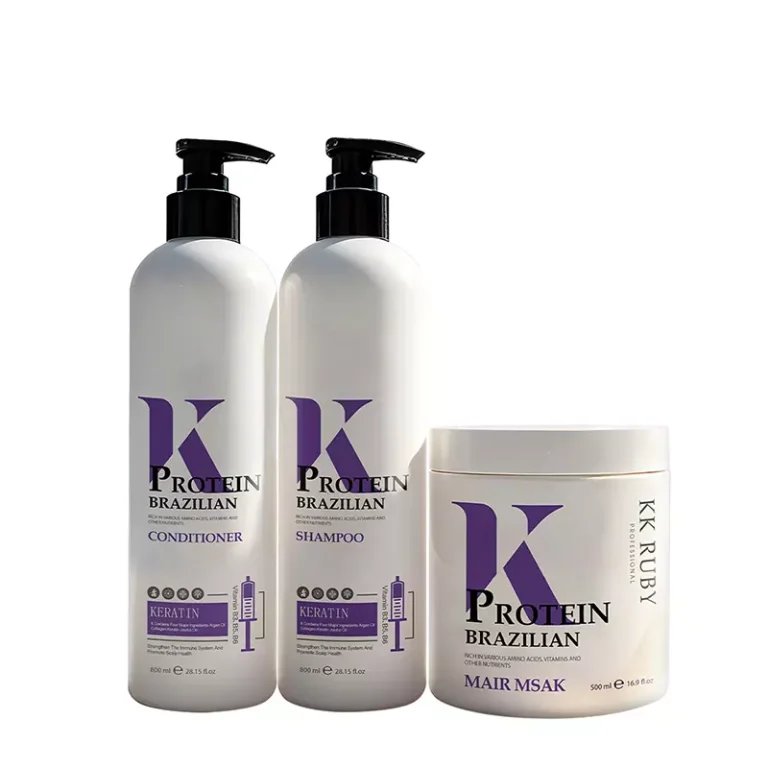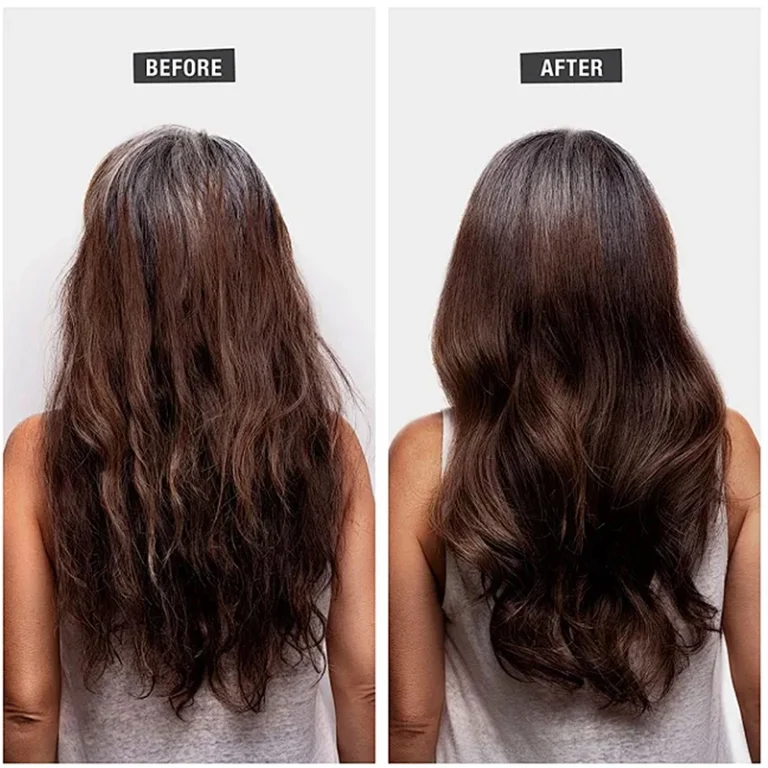
When you stand in front of supermarket shelves selecting shampoo, have you ever wondered about the story behind these bottles? A shampoo factory is more than just a simple mixing and filling site; it is a modern production center integrating chemical engineering, biological research, quality control, and sustainable development concepts. This article will take you deep into the complete ecosystem of a shampoo factory, revealing how a high-quality shampoo transforms from raw materials into a daily essential in your bathroom.
In-Depth Analysis of the Core Manufacturing Process in a Shampoo Factory
Precise Formulation and Raw Material Handling System
Modern shampoo factory production begins with a highly confidential formulation system. The unique efficacy of each brand—whether anti-hair loss, dandruff removal, or smoothing and shine—relies on precisely calculated chemical combinations.
The Raw Material Quality Control System is the factory’s first checkpoint. High-quality shampoo factories establish strict supplier audit systems, conducting up to 20 tests on each batch of incoming materials, including:
- Surfactant purity testing (ensuring appropriate cleansing power without damaging hair)
- Silicone particle size analysis (critical for smoothness)
- Biological efficacy validation of active ingredients (e.g., permeability testing of caffeine for anti-hair loss)
- Antioxidant value measurement of natural extracts (protecting the activity of plant ingredients)
The Intelligent Batching and Pre-treatment Stage employs fully automated control systems to pre-process raw materials of different viscosities and solubilities in groups. For instance, solid components require dissolution at specific temperatures, essential oils undergo emulsification pre-treatment, and active ingredients like provitamin B5 are handled under inert gas protection to prevent oxidation.
Precision Production Technology and Innovation
The Three-Stage Mixing Process is the core technology of modern shampoo factories. Primary mixing combines main surfactants with deionized water in a vacuum environment to eliminate bubble interference. Secondary mixing adds conditioning agents and active ingredients at specific temperatures (typically 38-42°C). Tertiary mixing incorporates fragrances, preservatives, and colorants. The entire process is monitored in real-time by sensors for viscosity, pH, and temperature.
Filling and Packaging Hygiene Standards reach pharmaceutical levels. Fully enclosed filling lines operate in Class 100,000 cleanrooms, with bottles undergoing ionized air dust removal and UV disinfection. Advanced factories adopt a “single contact” principle—from raw materials to sealed bottles, the product only contacts certified sterile equipment, significantly reducing microbial contamination risks.
Quality Control: A Guarantee System Exceeding Industry Standards
Multi-Dimensional Product Testing Network
High-quality shampoo factories establish a seven-tier testing system from raw materials to finished products:
The Stability Testing Network simulates various global climate conditions, placing samples in high-temperature (45°C), low-temperature (-10°C), and high-humidity (70%) environments for 3-6 months to observe whether the product separates, discolors, or loses efficacy. Accelerated testing equates to 2-3 years of normal storage.
Scientific Methods for Efficacy Verification no longer rely on subjective perception but utilize:
- Raman spectroscopy analysis: Detects changes in keratin structure after shampooing
- Scalp microbiome testing: Verifies the inhibition rate of anti-dandruff ingredients against Malassezia
- Hair bundle tensile testing: Quantifies the percentage increase in hair strength
- Clinical scalp testing: Conducts double-blind controlled trials in collaboration with dermatology departments
Dual Certification for Safety and Environmental Protection
Full Ingredient Transparency and Safety Assessment is a commitment of leading factories. Beyond complying with regulations, advanced factories conduct “Cradle to Grave” assessments for each ingredient, tracking its impact from source to degradation. For example, assessing the degradation rate of silicones in wastewater treatment or the potential impact of surfactants on aquatic life.
The Green Factory Initiative is reflected in multiple dimensions: water recycling systems recover 85% of production water; heat recovery units convert waste heat from production into winter workshop heating; and a “zero landfill” waste management system ensures all packaging waste and expired raw materials are treated environmentally.
Industry Frontiers: Future Trends in Shampoo Factories
Personalized Customization and Smart Manufacturing
Modular Production Lines enable small-batch customization. Consumers submit hair quality data online (oily/dry, damage level, scalp sensitivity, etc.), factory AI systems match formulations, and micro-production lines can produce personalized shampoos within 24 hours. Some leading factories already handle personalized orders of less than 1,000 bottles.
IoT Full Traceability Systems generate unique QR codes for each bottle, which can be scanned to view complete information: raw material batch sources, production timeline and inspector numbers, logistics temperature records, etc. This transparency not only builds trust but also provides technical support for precise recalls of problematic products.
Sustainable Development and Circular Economy Models
A Packaging Revolution is underway: Refillable aluminum bottle designs reduce plastic use by up to 80%; some factories offer “concentrated tablet + reusable bottle” models, where consumers simply dissolve the tablet for use, reducing shipping volume by 90%.
Carbon Neutral Technology Pathways in leading factories have achieved: photovoltaic power generation covering 40% of energy needs; transport fleets powered by biodiesel; and closed-loop raw material collaborations with local farms—converting production waste into organic fertilizer, which then grows plants that become raw material sources.
Consumer Insights: How to Identify Shampoos Produced by High-Quality Factories
Decoding Hidden Information on Product Labels
Production Batch Number Interpretation reveals crucial information: For example, “22C15” might indicate production on March 15, 2022 (C representing March), while the ending letter code might correspond to a production line number, essential for traceability when needed.
The Secret of Ingredient List Ordering: In ingredient lists arranged in descending order by concentration, the first five ingredients determine the product’s basic characteristics. If “Water” is immediately followed by “Sodium Laureth Sulfate,” it indicates a high-cleansing formula; if humectants like “Dipropylene Glycol” appear in the top three, the product focuses more on mildness.
Inferring Factory Standards from Product Performance
Judging Details Through Usage Experience:
- Products from high-quality factories have complex, layered fragrances with distinct top, middle, and base notes, rather than a single synthetic scent.
- The consistency of the gel is uniform, without abnormal particles or separation (excluding temporary phenomena due to temperature changes).
- Lather during shampooing is fine and elastic, not large and easily collapsing bubbles.
- After rinsing, there is no “slippery” feel; truly high-quality products balance cleansing and care.
Packaging Detail Quality:
- Clear, shadow-free printing on bottles using environmentally friendly inks
- Smooth pump action with quick rebound
- Intact, undamaged seals with a distinct “click” sound upon opening
- Batch information laser-etched rather than printed, making it difficult to alter

Conclusion
The world of shampoo factories is far more complex and precise than we imagine. From high-speed production lines filling 30 bottles per second to mass spectrometers detecting impurities at parts-per-billion levels; from testing chambers simulating the dry climate of the Himalayas to R&D labs cultivating scalp probiotics—modern shampoo factories are intersections of chemistry, biology, engineering, and environmental science.
As consumers, every purchase is a vote for the underlying production philosophy. Choosing brands that invest in R&D, prioritize sustainability, and practice transparent production is not only responsible for one’s own hair health but also a force driving the industry toward healthier, more environmentally friendly directions.
Next time you pick up a shampoo bottle, you might recall this complex network connecting scientists, engineers, quality inspectors, and environmental specialists—it is the precise collaboration within this system that transforms daily hair care into a perfect fusion of science and aesthetics.