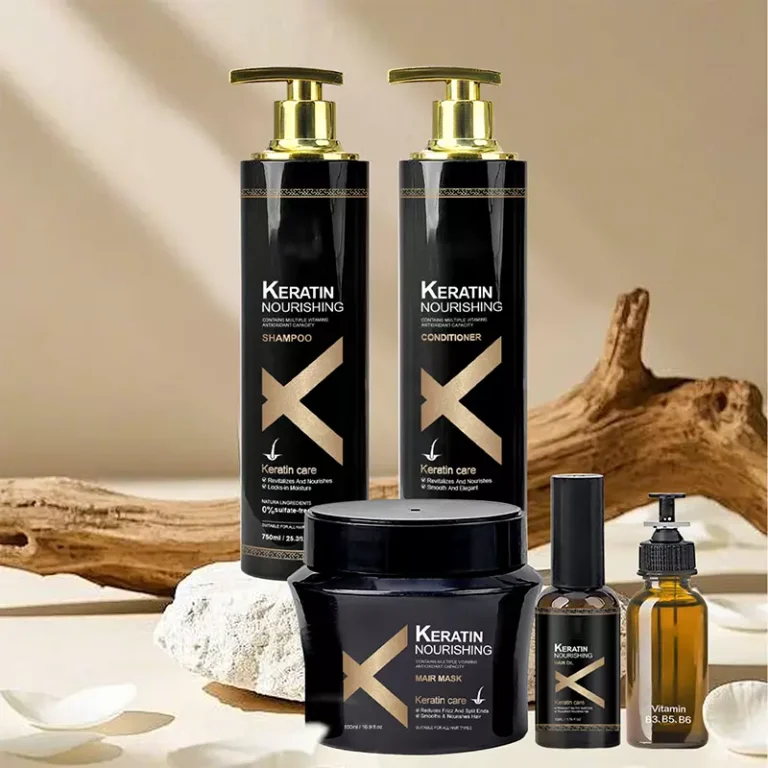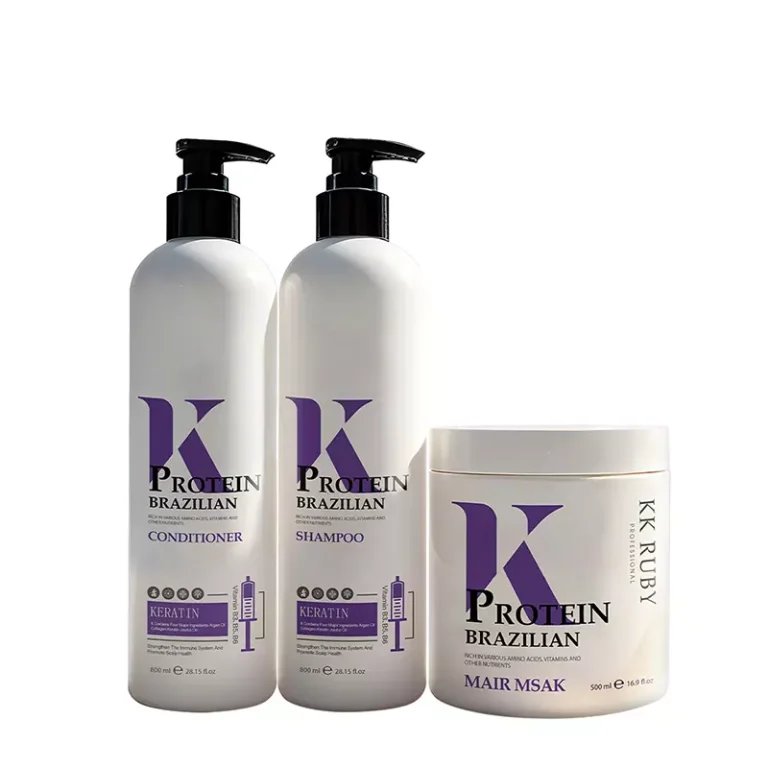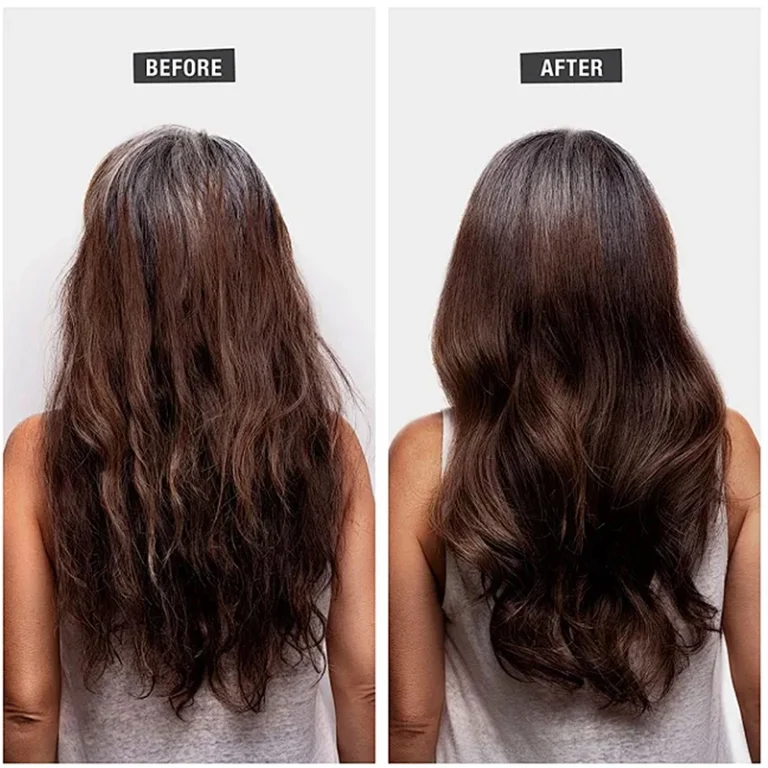
The global hair care market is projected to reach over $100 billion by 2030, and at the heart of this growth is the Chinese shampoo factory ecosystem. China has transitioned from being a low-cost “world factory” to a high-tech hub for cosmetic innovation, offering sophisticated R&D, sustainable packaging, and world-class quality control.
Why China is the Global Hub for Shampoo Manufacturing
China’s dominance in the hair care sector isn’t just about price; it’s about the integrated supply chain and the speed of innovation.
Supply Chain Clusters in Guangdong and Beyond
The majority of top-tier shampoo manufacturers are concentrated in the Guangdong province, specifically in Guangzhou (Baiyun District) and Foshan. These regions form a complete industrial cluster where raw material suppliers, packaging designers, and logistics providers are located within a 50-mile radius. This proximity reduces lead times and allows factories to respond to global hair care trends (like caffeine-infused or ginger-based shampoos) within weeks.
Technological Advancements in R&D
Modern Chinese shampoo factories invest heavily in biotechnology. Many now house CNAS-certified laboratories where chemists work on proprietary formulas involving peptide technology, plant stem cells, and scalp microbiome balancing. By partnering with these factories, brands gain access to cutting-edge science that would otherwise require millions in R&D investment.
Understanding the service models is crucial for aligning your business goals with the right factory capabilities.
Private Label (OEM) for Quick Market Entry
Original Equipment Manufacturing (OEM) is the most common path for new brands. The factory provides a range of pre-developed, high-quality formulas that you can “white label” with your brand name.
- Best for: Startups and Amazon FBA sellers.
- Advantage: Lower Minimum Order Quantities (MOQs) and faster turnaround.
- Focus: Choosing the right scent, bottle shape, and label design.

Custom Formulation (ODM) for Brand Differentiation
Original Design Manufacturing (ODM) involves the factory creating a unique formula specifically for your brand. If you want a sulfate-free, vegan, or high-performance keratin shampoo with a specific viscosity, ODM is the route.
- Best for: Established brands looking for a “hero product.”
- Advantage: Full ownership of the formulation and unique selling points (USPs).
- Process: Includes stability testing, preservative challenge tests, and scent profiling.
Quality Assurance Standards in Chinese Shampoo Factories
Quality is the most critical factor when sourcing cosmetics. A reputable Chinese shampoo factory must adhere to international safety standards.
International Certifications: GMPC and ISO 22716
The gold standard for cosmetic manufacturing in China is GMPC (Good Manufacturing Practice for Cosmetics). This ensures that the production environment—including air filtration, water purification, and employee hygiene—meets pharmaceutical-grade levels. Additionally, ISO 22716 is essential for exporting to Europe and North America, as it focuses on the quality of the final product and its traceability.
Rigorous Raw Material Testing Protocols
High-end factories utilize HPLC (High-Performance Liquid Chromatography) and GC-MS (Gas Chromatography-Mass Spectrometry) to verify the purity of raw materials. Whether it’s Moroccan Argan oil or Japanese amino acids, a top-tier factory ensures that ingredients are free from heavy metals, pesticides, and microbial contamination before they enter the mixing tanks.
| Certification | Purpose | Relevance for Imports |
| GMPC | Ensuring a sterile manufacturing environment. | Required for USA/EU standards. |
| ISO 22716 | International standard for cosmetic safety. | Essential for global compliance. |
| MSDS | Material Safety Data Sheet. | Required for international shipping. |
| COA | Certificate of Analysis for each batch. | Proof of formula consistency. |
Innovations in Formulation: More than Just Cleaning
The “skinification” of hair care has changed the requirements for shampoo manufacturing. Factories are no longer just mixing detergents; they are creating skincare-grade treatments.
Scalp Care and Functional Ingredients
The modern consumer demands solutions for specific issues: hair loss, oil control, and sensitive scalps. Leading Chinese factories are incorporating:
- Anti-hair loss: Minoxidil alternatives, ginger extracts, and biotin.
- Scalp Microbiome: Probiotics and prebiotics to balance scalp health.
- Scent Science: Using micro-encapsulation technology to ensure the fragrance lasts 24–48 hours after washing.
Sustainable and Clean Beauty Solutions
Sustainability is no longer optional. Chinese manufacturers are leading the way in:
- Waterless Shampoos: Concentrated shampoo bars and powder-to-foam formulas.
- Biodegradable Surfactants: Moving away from sulfates (SLS/SLES) to amino acid-based surfactants derived from coconut.
- PCR Packaging: Using Post-Consumer Recycled plastics to reduce the carbon footprint of the bottle.
The Production Process: From Mixing to Bottling
Understanding the technical journey of your product helps in managing expectations and quality control.
Emulsification and Temperature Control
The heart of the factory is the Vacuum Emulsifying Mixer. Ingredients are blended under vacuum conditions to prevent air bubbles (which can lead to bacterial growth) and ensure a silky, pearlescent texture. Temperature control is vital; some active ingredients, like vitamins or certain oils, must be added at the “cool down” phase (below 40°C) to remain effective.
Automated Packaging and Labeling Systems
Once the shampoo is aged (left to sit for 24 hours to stabilize), it moves to high-speed filling lines. Automated systems ensure that every 500ml bottle contains exactly 500ml, with a margin of error of less than 1%. These lines often include UV sterilization tunnels for the bottles and caps before filling to ensure a 3-year shelf life.
How to Choose the Right Chinese Shampoo Manufacturer
Selecting the wrong partner can lead to batch inconsistencies or regulatory nightmares.
Vetting Factories through On-site Audits
Never rely solely on an Alibaba profile. A professional audit should check:
- Production Capacity: Can they handle 50,000 units a day?
- R&D Staff: Do they have dedicated chemists or just salespeople?
- Water Treatment: Do they use EDI (Electrodeionization) systems for ultra-pure water?
- Retention Room: Do they keep samples of every batch for 3 years to track quality?
Evaluating Communication and Project Management
A “good” factory is a responsive one. In the world of international trade, the Account Manager is your most important contact. They should understand your local regulations (e.g., FDA in the US, CPNP in the EU) and be able to provide the necessary documentation for customs clearance.
Cost Structures, MOQs, and Logistics
Budgeting correctly is the difference between a profitable brand and a failed venture.
Understanding MOQs and Scaling Prices
In a Chinese shampoo factory, the Minimum Order Quantity (MOQ) is usually determined by the packaging. While the factory can mix 500kg of shampoo easily, the bottle manufacturer may require a minimum of 5,000 or 10,000 units for a custom color or shape.
- Stock Bottles: Low MOQ (500–1,000 units).
- Custom Molds: High MOQ (10,000+ units).
Global Shipping and Regulatory Compliance
Shampoo is a liquid, which makes it “sensitive cargo” for shipping.
- Sea Freight: Most cost-effective but takes 30–45 days.
- Air Freight: Fast (7 days) but very expensive due to weight.
- Compliance: You must ensure the formula complies with the INCI (International Nomenclature of Cosmetic Ingredients) naming standards used in your target country.
Conclusion: Building a Scalable Hair Care Brand
Partnering with a Chinese shampoo factory offers an unparalleled opportunity to scale your brand with high-quality, innovative products at a competitive price point. By focusing on GMPC-certified facilities, investing in ODM custom formulations, and prioritizing scalp-health trends, you can position your brand at the forefront of the global hair care market.