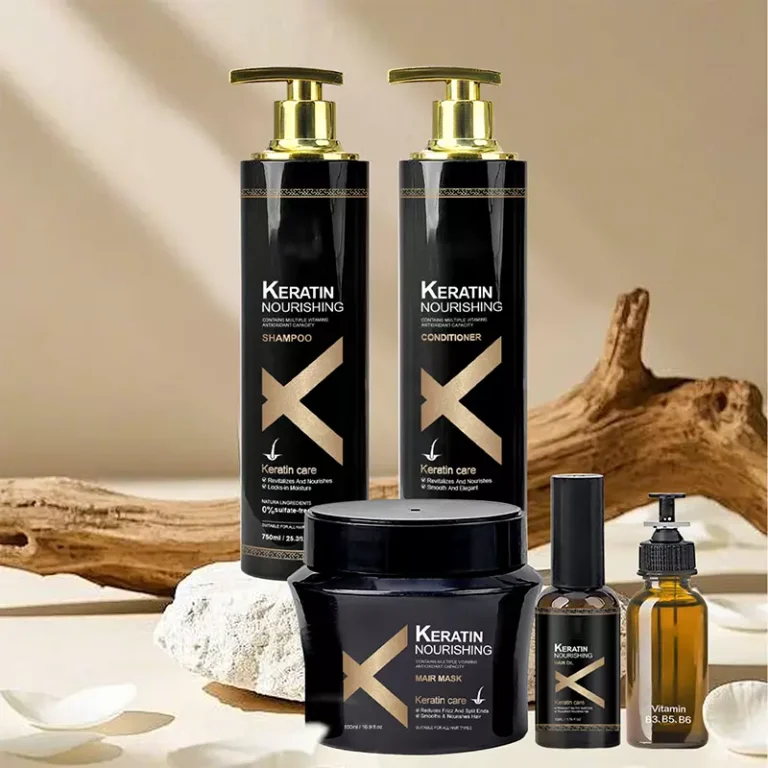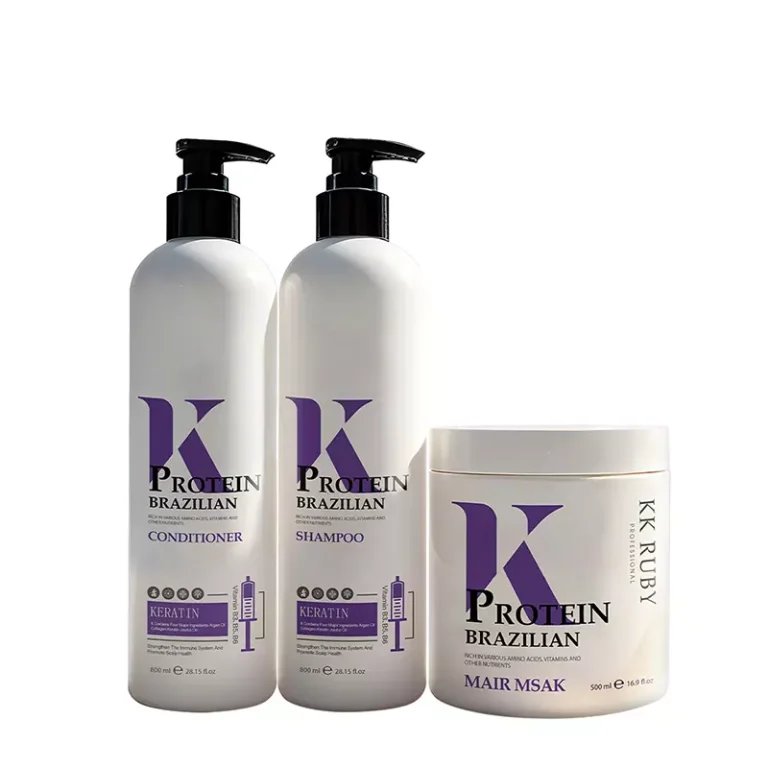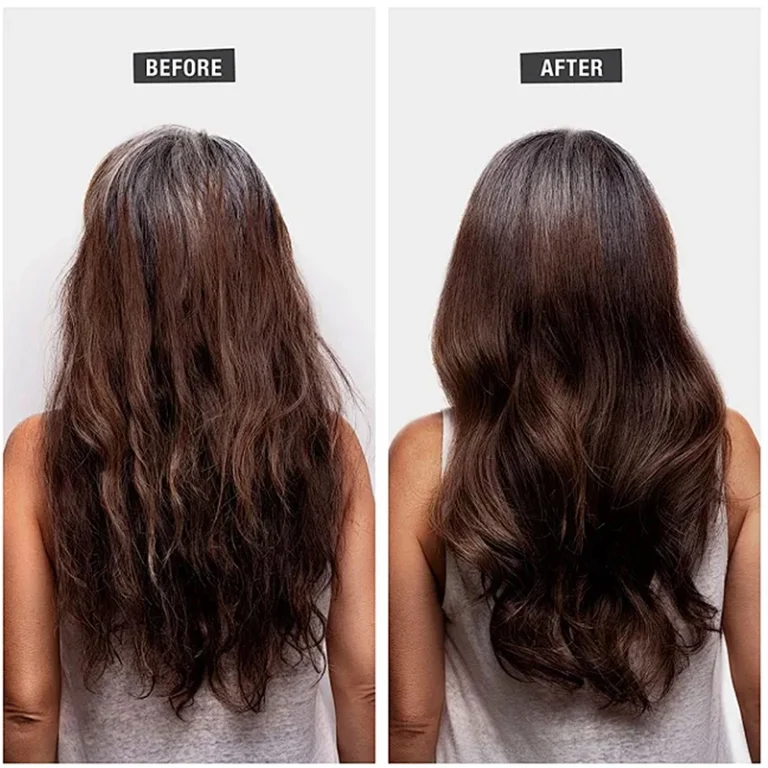
The global beauty industry is undergoing a profound transformation. By 2026, “clean beauty” is no longer a niche trend but the default expectation for the modern consumer. At the heart of this shift lies a powerful demand: gentle, effective, and transparent formulations. For brands looking to capture market share, partnering with the right sulfate-free shampoo manufacturer is the most critical business decision you will make.
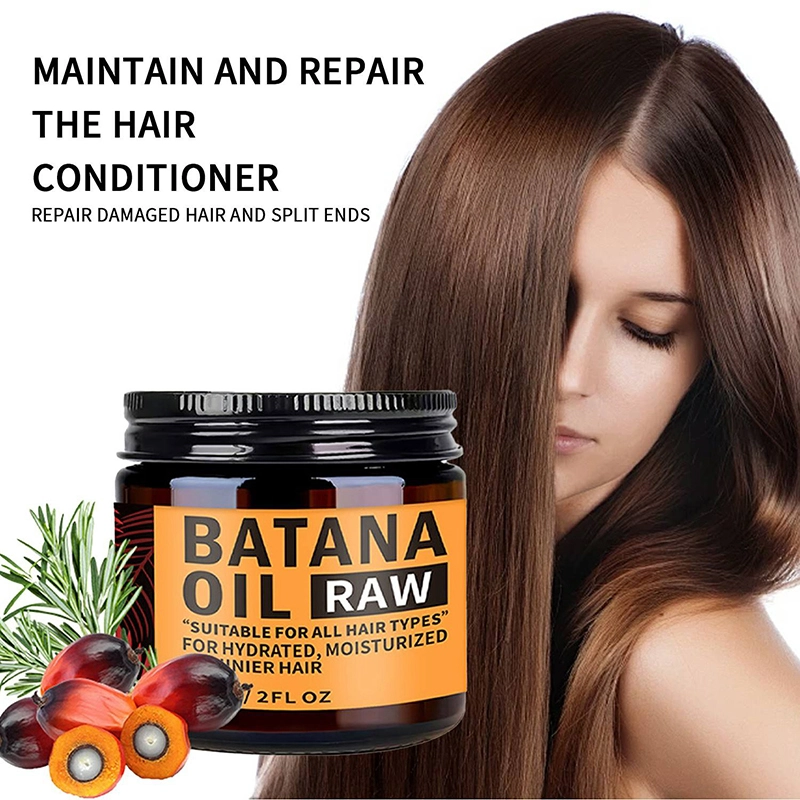
The numbers speak for themselves. The global sulfate-free shampoo market is projected to grow from $5.70 billion in 2025 to $10.47 billion by 2033, registering a compound annual growth rate (CAGR) of 7.1% . This surge is driven by consumers ditching harsh detergents like Sodium Lauryl Sulfate (SLS) and Sodium Laureth Sulfate (SLES) in favor of ingredients that protect color, respect the scalp microbiome, and align with eco-conscious values.
However, navigating the landscape of OEM (Original Equipment Manufacturing) and ODM (Original Design Manufacturing) partners can be complex. This guide provides a deep, technical, and strategic roadmap to selecting a manufacturing partner who doesn’t just produce shampoo but helps you build a legacy brand.
Why “Sulfate-Free” Dominates the B2B Hair Care Market
Before diving into supplier selection, it is vital to understand the “why” behind the demand. This knowledge allows you and your manufacturer to craft a marketing story that resonates with retailers and end-users alike.
The Shift in Consumer Chemistry Awareness
Today’s shoppers are ingredient experts. They scan labels for sulfates, parabens, and silicones with the same scrutiny as food nutrition labels. Sulfates are effective cleansers (foaming agents), but they are often too effective—they strip the hair of natural oils, fade color-treated hair rapidly, and cause irritation for those with sensitive scalps or conditions like eczema .
This awareness has created a massive opportunity for B2B buyers. Salons, dermatologists, and influencers are actively recommending sulfate-free alternatives, creating a pull-through demand that benefits brands who stock the right inventory .
Market Segmentation: Who is Buying?
A sophisticated manufacturer will understand that “sulfate-free” is not a one-size-fits-all solution. The market is segmented by end-user and hair concern:
- Color-Treated Hair: The largest segment, as consumers seek to protect expensive salon investments .
- Curly and Textured Hair: Requires hydration; sulfates disrupt the hair’s natural curl pattern.
- Sensitive Scalp: Driven by dermatologist recommendations for conditions like seborrheic dermatitis.
- Men’s Grooming: A high-growth segment (projected 8-15% annually) focusing on oil control and scalp health .
- Professional Salons: They require bulk, reliable formulations that deliver performance without damaging hair integrity during treatments .
Critical Criteria for Evaluating Sulfate-Free Shampoo Manufacturers
Choosing a manufacturer based solely on price per unit is a recipe for failure. You need a partner who can deliver on formulation science, regulatory compliance, and supply chain agility.
Formulation Expertise and Ingredient Sourcing
A true expert in sulfate-free manufacturing doesn’t just remove SLS/SLES; they replace them with a sophisticated blend of alternatives that maintain “user experience” (lather, texture) while being gentle. Look for manufacturers proficient in using:
- Amino Acid-based Surfactants: Such as Sodium Lauroyl Glutamate and Sodium Cocoyl Isethionate, which are pH-friendly and gentle .
- Glucosides: Decyl Glucoside and Lauryl Glucoside, derived from corn and coconut, provide excellent foaming properties .
- Sulfonate Blends: Ingredients like Sodium C14-16 Alkyl Sulfonate offer strong cleansing without the harshness of SLS .
Ask potential partners about their “ingredient library.” Do they have access to certified sustainable or Rainforest Alliance Certified components, such as BASF’s Dehyton PK45 GA/RA? This level of sourcing indicates a commitment to future-proof formulations .
Manufacturing Capabilities and Minimum Order Quantities (MOQs)
Your business stage dictates the type of manufacturer you need.
- Startups and Indie Brands: Look for suppliers with low MOQs. Some Guangzhou-based manufacturers offer MOQs as low as 2 to 48 pieces, allowing for test marketing and limited-edition runs without massive capital outlay . This agility is vital for testing the market fit of a “sulfate-free repair shampoo” or a “silicone-free conditioner.”
- Scaling and Enterprise Brands: You need high-volume production facilities. Established manufacturers, like those operating 25,000-square-meter facilities with daily outputs exceeding 130,000 units, ensure you can meet mass retail demand without supply chain bottlenecks .
Regulatory Compliance and Certifications
The worst enemy of a clean beauty brand is a “greenwashing” accusation. Your manufacturer must provide full transparency. They should be able to supply:
- Full Ingredient Traceability Reports: To verify the absence of sulfates, parabens, and phthalates.
- Stability and Microbial Testing Data: Essential for proving shelf-life and safety.
- Certifications: ISO 22716 (GMP), cruelty-free, vegan, and organic certifications (like COSMOS or ECOCERT) if applicable .
The B2B Partnership Model: OEM vs. ODM vs. Private Label
Understanding the type of partnership you need will streamline your search for a sulfate-free shampoo manufacturer. Each model offers different levels of control and speed-to-market.
Private Label: Speed and Efficiency
Private label (or white labeling) is ideal for brands wanting to launch quickly. The manufacturer has pre-existing sulfate-free formulations (e.g., a “Moisturizing Sulfate-Free Shampoo with Shea” or “Color Protection Shampoo”) that you can package under your brand name .
- Pros: Fastest time-to-market, proven formulas, lower development costs.
- Cons: Less exclusivity; competitors may have access to similar base formulas.
Custom OEM/ODM: Exclusivity and Innovation
For brands seeking a unique selling proposition (USP), custom development is key. In an OEM model, you provide the formula; in an ODM model, the manufacturer helps design the formula based on your brief.
- Deep Customization: You can specify hair concerns (frizz, volume, scalp health), fragrance families (floral, herbal, unscented), and even functional claims like “thermo-protective” or “UV shield” .
- Tailored Aesthetics: Advanced manufacturers allow customization of viscosity (liquid, cream, gel), clarity (clear sulfate-free shampoos are highly desired), and packaging (airless pumps, biodegradable bottles) .
While manufacturing hubs exist globally, Guangzhou, China, has solidified its position as a powerhouse for cosmetic production due to its vertical integration and cost efficiency. Understanding how to leverage this market is crucial for competitive pricing.
The Cost Advantages of Strategic Sourcing
Sourcing from integrated hubs can reduce raw material costs by up to 25% compared to Western contract manufacturers due to the proximity of R&D labs, packaging suppliers, and bottling lines .
- Price Benchmarking: For entry-level sulfate-free products, unit prices can range from $1.18 to $1.68. Premium organic or specialized formulations (e.g., with Jamaican Black Castor Oil or herbal infusions) may range from $3.08 to $8.98 depending on MOQ and complexity .
- Logistics: Experienced exporters manage the complexity of international shipping. Average production time is 25-35 days post-approval, with air freight options for urgent restocks.
Mitigating Risk in Overseas Manufacturing
Working with overseas partners requires due diligence. Top-tier manufacturers differentiate themselves through service reliability.
- Communication Speed: Suppliers who respond to inquiries within 2-3 hours and provide detailed CAD mockups within 72 hours demonstrate operational maturity .
- Quality Assurance: Always request pre-shipment samples to evaluate texture, scent, and packaging integrity. Look for manufacturers with high reorder rates (e.g., 28% or higher) as a proxy for client satisfaction .
The Future of Formulations: Innovation in Mild Surfactants
To stay ahead, you need a manufacturer who invests in R&D. The next generation of sulfate-free shampoos is moving beyond simply being “free of” to being “full of” beneficial, high-performance actives.
Biotechnology and Sustainable Surfactants
The future is bio-derived. We are seeing a rise in surfactants created via green chemistry that are biodegradable yet produce the rich foam consumers love.
- Example: The use of Hydrolyzed Corn Starch and plant-based proteins to build viscosity and repair hair structure while cleansing .
- Example: Multi-functional blends like Sucranov SF, which combine mild cleansing agents (Sodium cocoamphoacetate, Lauryl Glucoside) with conditioning properties in one ingredient complex, simplifying manufacturing and reducing costs .
Waterless and Sustainable Formats
Sustainability is driving formulation format innovation. A forward-thinking sulfate-free shampoo manufacturer should offer expertise in:
- Solid Shampoo Bars: Projected to grow at 12-20% annually, this format appeals to zero-waste consumers and reduces shipping costs .
- Refillable Systems: As major players like Unilever expand refill stations, contract manufacturers need the capability to produce concentrated formulas suitable for at-home dilution or durable dispensers .
Building a Brand Story with Your Manufacturing Partner
In the B2B space, your product story is your sales tool. Your manufacturer should be an extension of your marketing team, providing the technical data to back up your claims.
Transparency and “Storytelling on the Bottle”
Modern buyers (salons and distributors) need to sell a story to their clients. Your packaging and marketing materials should clearly communicate:
- Ingredient Provenance: Highlighting specific oils like Argan, Marula, or Kukui oil demonstrates added value beyond just being sulfate-free .
- Clinical Benefits: Data on “sebum removal,” “strength and elasticity,” or “color protection duration” turns a commodity into a professional-grade solution .
Education-Driven Marketing Support
The best manufacturers provide more than just product; they provide knowledge. Whether it’s training materials for stylists or digital toolkits for distributors, educational content ensures your B2B clients know how to position and upsell your sulfate-free line effectively .
Conclusion: Seizing the $10 Billion Opportunity
The demand for sulfate-free hair care is not slowing down. As the market barrels toward a $10.47 billion valuation, the winners will be those brands that have secured reliable, innovative, and transparent manufacturing partnerships .
Whether you are launching a niche organic line targeting sensitive scalps or a mass-market brand focused on daily hydration, the criteria remain the same: formulation expertise, regulatory integrity, supply chain agility, and a shared vision for sustainability.
Stop searching for a generic supplier and start looking for a strategic partner. Evaluate their ingredient knowledge, scrutinize their quality protocols, and align with a sulfate-free shampoo manufacturer that can turn your brand vision into a retail reality.
Ready to formulate your signature line?
Contact our team of industry experts today to discuss your custom sulfate-free shampoo needs. We offer low MOQs, rapid sampling, and 100% formulation transparency.