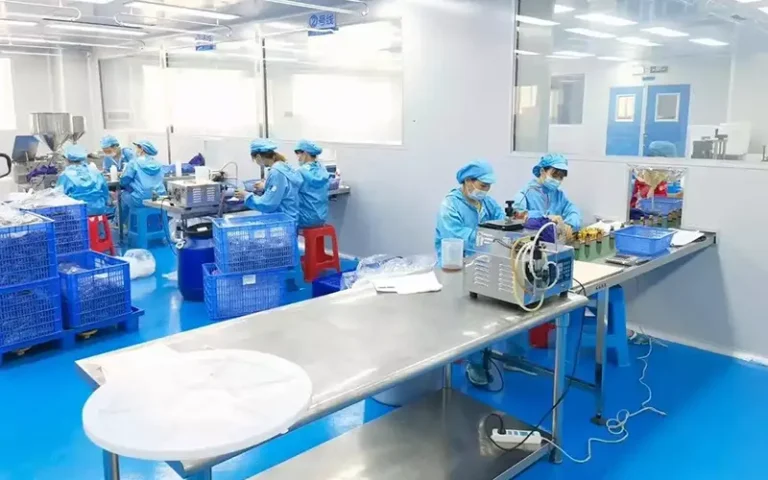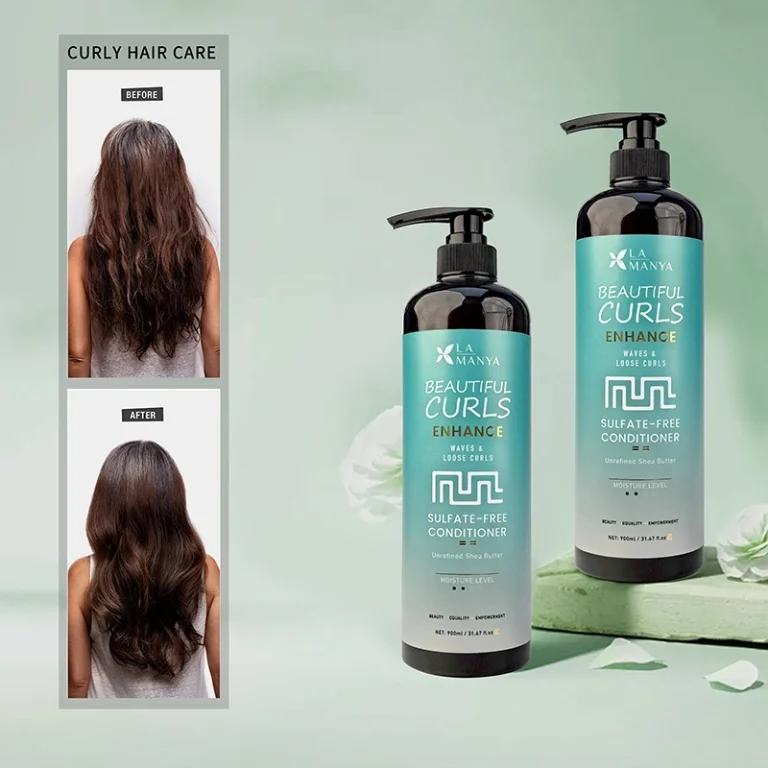
Behind the dazzling array of shampoo products, a vast and professional manufacturing ecosystem operates quietly. Shampoo manufacturers are not merely simple product processors; they are also leaders in technological innovation, formula research and development, and consumer trends. Through sophisticated production processes, strict quality control, and continuous product innovation, these manufacturers directly determine the safety, efficacy, and user experience of the hair care products consumers use every day. This article will delve into the multi-faceted landscape of the shampoo manufacturing industry, revealing how manufacturers balance science, commerce, and consumer needs, as well as the profound transformations the industry is undergoing.
I. The Industrial Ecosystem and Core Value of Shampoo Manufacturers
1.1 Analysis of the Global Shampoo Manufacturing Market Landscape
The shampoo manufacturing industry is a highly specialized and fiercely competitive field, with a diversified and stratified pattern in the global market. In terms of geographical distribution, Asia (especially China, South Korea, and Japan) has become an important global base for shampoo manufacturing, boasting a complete supply chain system and mature manufacturing technologies. European manufacturers stand out with their advantages in high-end technology and natural ingredients, while North American enterprises excel in marketing and brand building.
In terms of market size, according to the latest industry data, the global market value of the shampoo and hair care product manufacturing industry has exceeded 80 billion US dollars, with an average annual growth rate maintained at 3% to 5%. Among them, professional shampoo manufacturers (including ODM and OEM companies) account for approximately 40% of the market share. These enterprises do not directly face consumers but provide research and development and production services for major brands. This division of labor model allows brands to focus on marketing and channel development, while manufacturers concentrate on product R&D and production efficiency improvement.
1.2 The Key Role of Manufacturers in the Hair Care Industry Chain
Shampoo manufacturers play an indispensable role in the overall hair care industry chain. They are the crucial bridge connecting raw material suppliers and brands, responsible for transforming chemical raw materials, natural extracts, and functional additives into safe, stable, and effective end products. Excellent manufacturers not only need to master complex chemical synthesis technologies but also must have an in-depth understanding of scalp physiology, hair science, and consumer usage habits.
The core value of modern shampoo manufacturers is reflected in three levels: first, technological innovation value, which continuously improves product performance by developing new surfactants, functional additives, and delivery systems; second, quality control value, ensuring that each batch of products meets strict safety standards and efficacy promises; and finally, large-scale production value, which reduces production costs while ensuring product consistency by optimizing production processes and supply chain management. These values together constitute the irreplaceable position of manufacturers in the industry chain.
II. Core Technologies and Innovative Breakthroughs in Shampoo Manufacturing
2.1 Formula R&D: The Perfect Integration of Science and Art
The formula R&D of modern shampoos is a complex and precise process, usually requiring a development cycle of 6 to 18 months. The formula of an excellent shampoo typically includes five major categories of ingredients: cleaning agents (surfactants), conditioners, functional additives, preservative systems, and sensory modifiers. Among them, the selection of cleaning agents directly determines the basic performance of the shampoo. The current mainstream trend in the market is shifting from traditional sulfate surfactants to milder amino acid surfactants, betaines, and glucoside surfactants.
Innovative breakthroughs in formulas are mainly reflected in the following aspects: first, the practice of the “precision hair care” concept, where manufacturers develop specialized formulas for different scalp types (oily, dry, sensitive) and hair problems (hair loss, damaged hair, post-dye care); second, “multi-function integration”, such as combining cleaning, hair conditioning, scalp care, and hairstyling functions into a single product; and finally, “stability breakthroughs”, using innovative emulsification technologies and stabilization systems to enable the long-term stable coexistence of originally incompatible ingredients (such as oily essences and water-based matrices).
2.2 Production Technology: The Precise Transformation from Laboratory to Production Line
Transforming laboratory formulas into mass-produced products is one of the core challenges faced by shampoo manufacturers. Modern shampoo production lines usually include multiple processes such as raw material pretreatment, mixing and emulsification, degassing, fragrance and color adjustment, filling and packaging, and quality inspection. Among them, the emulsification process is a key step that determines the final quality of the product, and temperature control, stirring speed, and feeding sequence all affect the stability, texture, and appearance of the product.
Advanced manufacturers are introducing intelligent manufacturing technologies to improve production accuracy and efficiency. For example, PLC (Programmable Logic Controller) systems are used to achieve real-time monitoring and automatic adjustment of production parameters; online quality inspection systems (such as near-infrared spectroscopy analysis) are employed to continuously monitor key indicators during the production process; and MES (Manufacturing Execution System) is utilized to realize full-process traceability from raw material warehousing to finished product delivery. The application of these technologies not only improves product consistency but also significantly shortens the time for new products to go from development to market launch.
III. Sustainable Development: Practices and Challenges of Green Manufacturing
3.1 Trends in Eco-Friendly Formulas and Clean Production
With the improvement of consumers’ environmental awareness, green manufacturing has become an irreversible trend in the shampoo industry. Leading manufacturers are promoting sustainable development from multiple dimensions: in terms of formulas, they are actively developing biodegradable surfactants, reducing the use of microplastics and harmful chemicals, and increasing the proportion of natural and organic ingredients; in terms of packaging, they are adopting recyclable materials, reducing the number and weight of packaging layers, and even developing refillable packaging systems.
Significant progress has also been made in the application of clean production technologies. Many manufacturers have invested in the construction of closed-loop wastewater treatment systems, which recycle treated production wastewater back into the production process after multi-stage treatment; waste heat generated during production is used for raw material preheating or space heating through heat recovery systems; and renewable energy sources such as solar energy are adopted to replace traditional fossil fuels. These measures not only reduce the environmental footprint of the manufacturing process but also bring long-term cost savings for manufacturers.
3.2 Ethical Sourcing and Supply Chain Transparency
Modern consumers not only pay attention to the products themselves but also increasingly care about the “ethical pedigree” of products. This has prompted shampoo manufacturers to attach greater importance to the sustainable sourcing of raw materials and supply chain transparency. Leading enterprises are establishing comprehensive raw material traceability systems to ensure that each ingredient used (especially plant extracts and natural oils) comes from sustainably managed sources and that the procurement process complies with the principles of fair trade.
Some innovative manufacturers even regard supply chain transparency as a core competitive advantage, using technologies such as blockchain to enable consumers to trace the origin of key ingredients in products. For example, consumers can scan the product QR code to learn which plantation in which country the coconut oil used in the product comes from, as well as the environmental and social practices of that plantation. This transparency not only enhances consumer trust but also motivates the entire supply chain to raise sustainability standards.
IV. How to Choose a High-Quality Shampoo Manufacturer: A Decision Guide for Brands
4.1 Evaluating a Manufacturer’s Professional Capabilities and Qualifications
For brands seeking cooperation, choosing the right shampoo manufacturer is the key to product success. When evaluating manufacturers, focus should be placed on the following dimensions: first, R&D capabilities, including laboratory facilities, the qualifications of the R&D team, the number of patents, and the success rate of new product development; second, production qualifications, such as whether they have passed international certifications such as ISO 22716 (Good Manufacturing Practice for Cosmetics) and GMPC (Good Manufacturing Practice for Cosmetics); third, the quality control system, including the completeness and rigor of raw material inspection, process control, and finished product testing; and finally, compliance capabilities, especially the ability to understand and comply with the regulations of target markets (such as the EU Cosmetics Regulation and China’s Regulations on the Supervision and Administration of Cosmetics).
On-site inspections are an important part of evaluating manufacturers. Brands should personally visit the manufacturer’s R&D center, production workshop, and quality inspection laboratory, observe equipment conditions, operating specifications, and environmental cleanliness, and communicate with key technical personnel to understand their professional level and problem-solving capabilities. In addition, the manufacturer’s past customer cases and cooperation history, especially experience in cooperating with brands of similar positioning, should be reviewed.
4.2 Innovative Collaboration and Supply Chain Flexibility
In a rapidly changing market environment, whether a manufacturer can form innovative collaboration with brands and maintain flexibility in supply chain management has become an important selection criterion. Excellent manufacturers are not just order executors but should also be innovative partners. They should be able to deeply understand the brand philosophy and target consumers, and propose targeted formula recommendations and technical solutions.
Supply chain flexibility is reflected in multiple aspects: first, rapid response capability, the ability to adjust production plans in a short time to adapt to changes in market demand; second, small-batch production capability, which is particularly important for emerging brands and product testing; third, multi-formula management capability, the ability to efficiently handle the production tasks of multiple different formulas simultaneously; and finally, global support capability, including multi-national formula adjustment, multi-language label support, and international logistics coordination. Choosing manufacturers with these capabilities can help brands maintain agility and adaptability in the fierce market competition.

V. The Rise and Global Competitiveness of Chinese Shampoo Manufacturers
5.1 Technological Upgrading and Innovative Transformation of Chinese Manufacturing
Over the past decade, Chinese shampoo manufacturers have completed a profound transformation from “low-cost contract manufacturing” to “innovation-driven manufacturing”. This transformation is mainly reflected in three levels: in terms of R&D investment, leading Chinese manufacturers invest 5% to 8% of their annual revenue in R&D, building world-class laboratories and R&D teams; in terms of technological accumulation, Chinese enterprises have formed unique advantages in specific fields (such as the application of Chinese herbal extracts and scalp micro-ecological balance technology); in terms of quality standards, Chinese manufacturers generally adopt enterprise standards higher than national standards, and some enterprises even lead or participate in the formulation of international industry standards.
The innovative breakthroughs of Chinese manufacturers are particularly reflected in the in-depth development of local raw materials. For example, combining traditional Chinese medicine theory with modern hair science to develop anti-hair loss products based on traditional Chinese medicine ingredients such as fleece-flower root, ginseng, and cacumen biotae; utilizing China’s rich plant resources to develop innovative applications of natural hair care ingredients such as tea seeds, ganoderma lucidum, and black sesame. These innovations based on local resources have not only achieved success in the Chinese market but also begun to attract the attention and cooperation of international brands.
5.2 The Global Integration Capability of China’s Supply Chain
Another major competitive advantage of Chinese shampoo manufacturers is their complete supply chain system and excellent global integration capability. From basic chemical raw materials to special additives, from packaging materials to production equipment, China has established the world’s most complete shampoo manufacturing industry chain. This complete supply chain not only reduces manufacturing costs but, more importantly, improves the reliability and response speed of the supply chain.
In terms of international cooperation, Chinese manufacturers have demonstrated strong adaptability. They can quickly adjust formulas and packaging solutions according to the regulatory requirements, consumption habits, and aesthetic preferences of different markets. For example, developing oil-control formulas suitable for high-temperature and high-humidity climates for the Southeast Asian market, developing nourishing oil-rich repair products for the Middle Eastern market, and developing natural and organic products compliant with COSMOS standards for the European market. This global customization capability makes Chinese manufacturers ideal partners for international brands to expand their global markets.
VI. Future Trends: Intelligence, Personalization, and Experience Innovation
6.1 Data-Driven Personalized Manufacturing
With the development of big data and artificial intelligence technologies, shampoo manufacturing is evolving towards a high degree of personalization. Innovative manufacturers are beginning to use consumer data (such as scalp test data, lifestyle information, and genetic test results) to develop customized products. For example, through online questionnaires and AI algorithm analysis, recommend the most suitable formula combination for consumers based on their scalp conditions and hair needs; even develop a “on-demand production” system to produce shampoos with exclusive formulas according to consumers’ real-time orders.
Some cutting-edge enterprises are exploring “intelligent formula” technology, that is, developing adaptive formulas that can automatically adjust cleaning power and care effects according to the usage environment (such as water hardness, climatic conditions) and usage habits. This innovation not only improves product efficacy but also creates a brand-new consumer experience, transforming shampoos from standardized products into personalized hair care solutions.
6.2 Experience-Oriented Product Innovation
Future shampoo manufacturing will pay more attention to the creation of multi-sensory experiences. Manufacturers are expanding from merely focusing on cleaning and care functions to creating pleasant usage experiences and emotional connections. This includes developing innovative products with unique textures (such as mousse, gel, and essential oil textures) and sensory properties (such as foaming feel, rinsing feel, and long-lasting fragrance); applying the principles of aromatherapy to shampoo development to create relaxing or uplifting emotional effects through specific fragrance combinations; and even applying innovative technologies such as microcapsule technology and thermochromic technology to hair care products to increase the fun and ritual sense of use.
This experience-oriented innovation requires manufacturers to have interdisciplinary cooperation capabilities, including collaboration with fragrance experts, sensory scientists, psychologists, and even artists. Successful enterprises will be those that can skillfully integrate science and technology with humanities and art to create products that have both efficacy and emotional resonance.
Conclusion
As the fundamental support of the hair care industry, shampoo manufacturers are undergoing a role transformation from behind the scenes to the forefront. They are no longer just product processors but have become drivers of technological innovation, leaders in sustainable practices, and shapers of consumer experiences. As consumers’ demands for product transparency, personalization, and sustainability continue to increase, the role of manufacturers will become more critical and diverse.
For brands, choosing the right manufacturing partner means choosing the cornerstone of product quality, the source of innovation capabilities, and the speed of market response. For consumers, understanding the science and technology behind shampoo manufacturing helps make more informed purchasing decisions and find products that truly meet their own needs.
In the future, the shampoo manufacturing industry will continue to develop in a more intelligent, greener, and more personalized direction. Manufacturers that can balance scientific rigor and artistic creativity, commercial efficiency and social responsibility, large-scale production and personalized customization will stand out in an increasingly complex market environment, creating commercial value for themselves and bringing a more excellent hair care experience to global consumers.
Whether you are an industry practitioner, a brand founder, or an ordinary consumer, understanding the role and challenges of shampoo manufacturers will help you find your own clear direction in this rapidly evolving hair care world. After all, behind every pleasant hair washing experience lies the professional wisdom and continuous innovation of countless manufacturers.