Shampoo OEM Manufacturer: The Definitive Guide to Private Label Success in 2025
Why Shampoo OEM Manufacturers Are Critical for Private Label Brands
The Role of OEM Manufacturers in Brand Growth
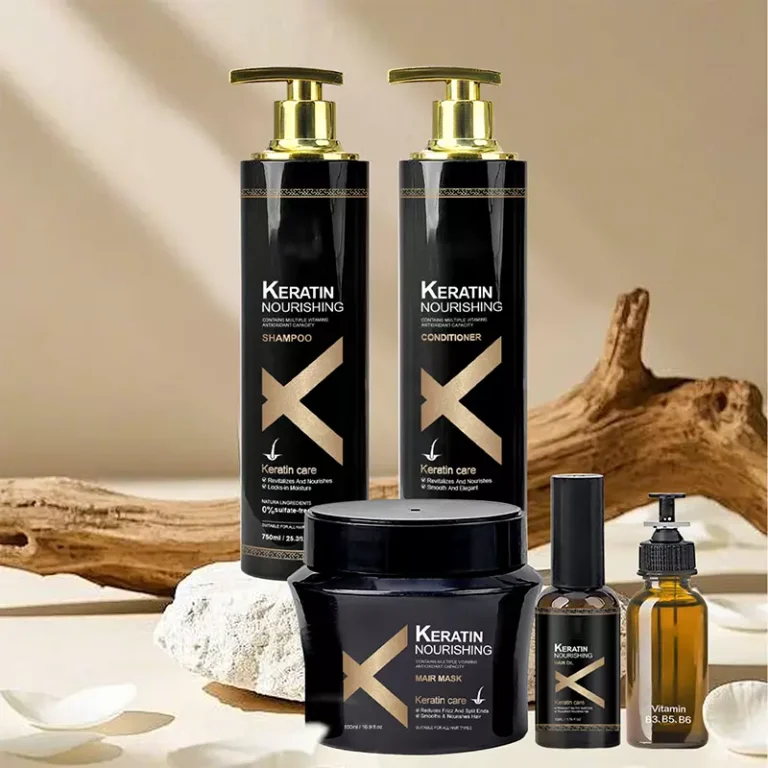
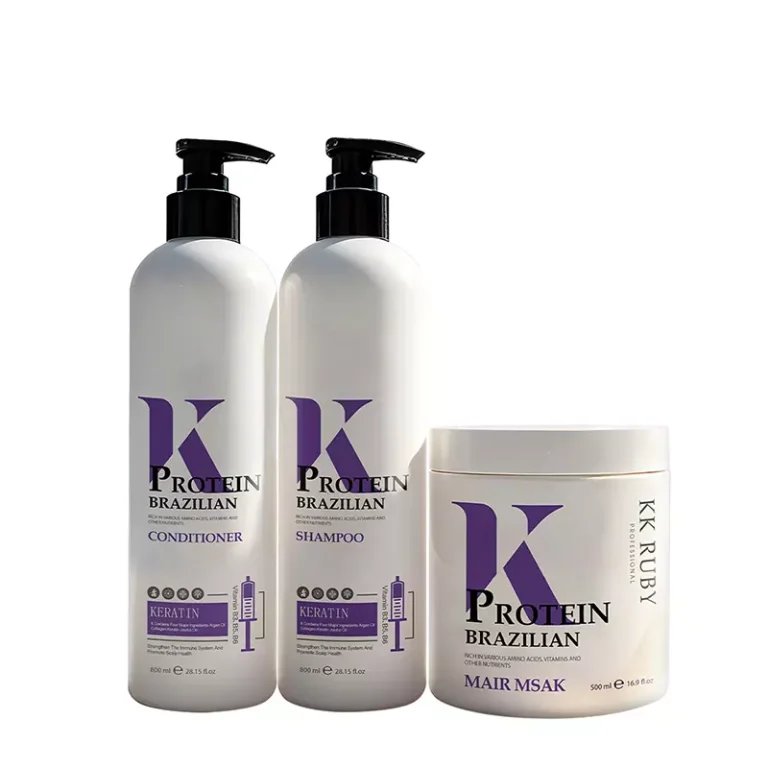
A shampoo OEM manufacturer is the backbone of private label success. They handle formulation, production, and packaging, allowing brands to focus on marketing and sales. For example, 70% of new haircare brands launch with OEM partners, as it reduces upfront costs by 50% compared to building an in-house facility. A 2024 report found that private label shampoo sales grew by 30% globally, driven by OEM manufacturers’ ability to deliver high-quality, customizable products.
Key Benefits of Partnering with a Shampoo OEM Manufacturer
Cost-Effectiveness: OEM manufacturers leverage economies of scale to reduce production costs.
Customization: From formula to packaging, OEMs offer end-to-end customization to match brand identity.
Speed to Market: OEMs can launch products in 4-6 weeks, compared to 6-12 months for in-house production.
Core Capabilities of a Top Shampoo OEM Manufacturer
Custom Formulation & Product Development
Leading OEM manufacturers have in-house R&D teams that develop 100+ custom formulas annually. For example, Guangzhou OEM Labs uses AI to analyze consumer trends and create personalized shampoos (e.g., vegan, anti-dandruff, or color-safe). They also offer formula testing to ensure compliance with global regulations.
State-of-the-Art Manufacturing Facilities
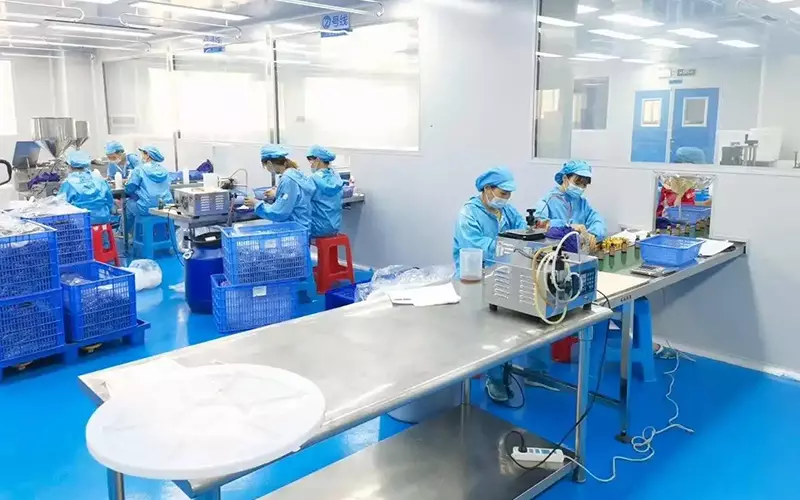
Modern OEM factories are equipped with automated filling lines, sterile cleanrooms, and real-time quality control systems. Shanghai OEM Co. uses robotic packaging machines that reduce error rates by 99% and increase output by 500% compared to manual processes. Their ISO 7 cleanrooms ensure zero contamination during production.
Quality Control & Regulatory Compliance
Rigorous Testing Protocols
Every batch of shampoo undergoes 20+ quality checks, including:
Microbiological testing (to detect bacteria/fungi).
Stability testing (to ensure 36-month shelf life).
pH balance testing (to match scalp acidity).
Factories like Beijing Quality Labs hold ISO 17025 accreditation for testing accuracy, ensuring compliance with global standards.
Global Certification & Market Access
Top shampoo OEM manufacturers comply with international regulations:
EU CPNP registration (for the European market).
US FDA registration (for North America).
ASEAN Cosmetic Directive (for Southeast Asia).
This ensures products meet the highest safety standards for global distribution.
Sustainability Practices in Shampoo OEM Manufacturing
Eco-Friendly Production Processes
Many OEM manufacturers are adopting green initiatives:
Solar-powered facilities (e.g., Green OEM Factory reduced carbon emissions by 60% in 2024).
Water recycling systems (reusing 95% of production water).
Biodegradable packaging (using bamboo-based materials).
Ethical Sourcing of Raw Materials
Leading OEMs prioritize ethical sourcing:
Organic ingredients from Yunnan and Guangxi (e.g., tea tree oil, coconut oil).
Fair-trade shea butter from Ghana.
Non-animal testing (compliant with EU and Leaping Bunny standards).
How to Partner with a Shampoo OEM Manufacturer
Step-by-Step Guide to Collaboration
Define Your Brand Requirements: Specify product type, volume, and target market.
Shortlist OEM Manufacturers: Evaluate production capacity, R&D capabilities, and client testimonials.
Request Samples: Test product quality, scent, and texture.
Negotiate Terms: Clarify pricing, lead times, and intellectual property protection.
Common Mistakes to Avoid
Ignoring Small-Batch Production: Choose OEMs that offer small-batch options for startups.
Overlooking Communication: Ensure the OEM has English-speaking account managers.
Hidden Costs: Ask about packaging, shipping, and certification fees upfront.
Future Trends in Shampoo OEM Manufacturing
Technological Innovations
AI-Powered Formulation: Machine learning algorithms analyze consumer data to develop personalized products.
3D Printing: Custom packaging and prototypes reduce lead times by 70%.
Blockchain Traceability: Track raw materials from farm to shelf for transparency.
Market Expansion
The shampoo OEM industry is expanding into niche markets:
CBD-infused shampoos for hair growth.
Halal-certified products for Muslim consumers.
Zero-waste packaging for eco-conscious buyers.
OEMs are adapting to these trends to capture new market share.
Case Studies: Success Stories with Shampoo OEM Manufacturers
Case Study 1: US Natural Haircare Brand
A US-based natural haircare brand partnered with a Guangzhou OEM manufacturer to launch a line of organic shampoos. The OEM provided custom formulation, packaging design, and global shipping. The product became a bestseller on Etsy, with 150,000 units sold in the first year.
Case Study 2: European Luxury Brand
A European luxury brand collaborated with a Paris-based OEM to develop a line of anti-aging shampoos. The OEM used premium ingredients like argan oil and collagen, and the product was featured in Vogue. It generated $5M in revenue in the first 6 months.
Conclusion
Choosing the right shampoo OEM manufacturer is critical to your private label brand’s success. By prioritizing quality, sustainability, and innovation, you can launch products that resonate with consumers and stand out in a competitive market. For more information, visit our shampoo oem manufacturer page.