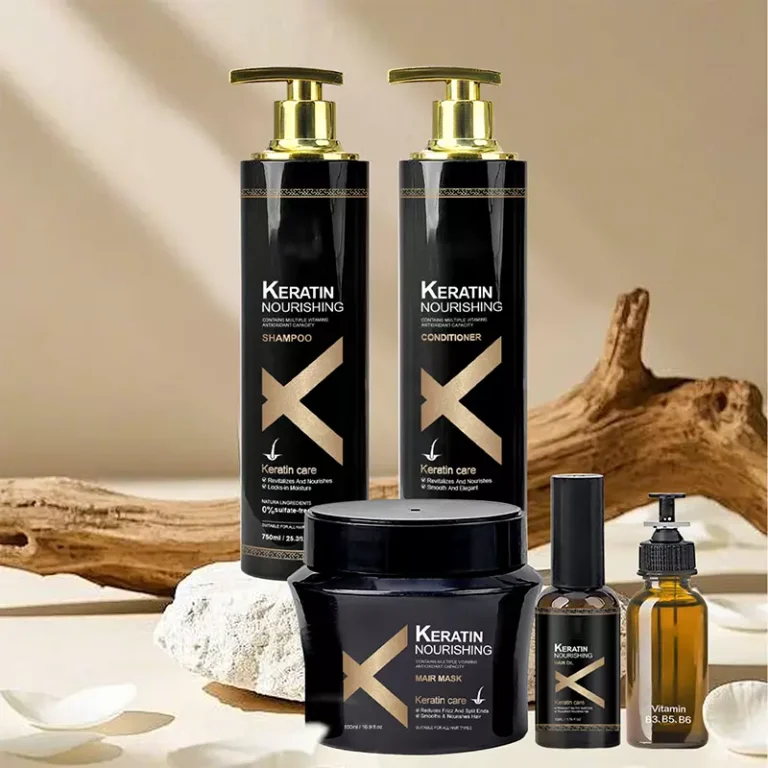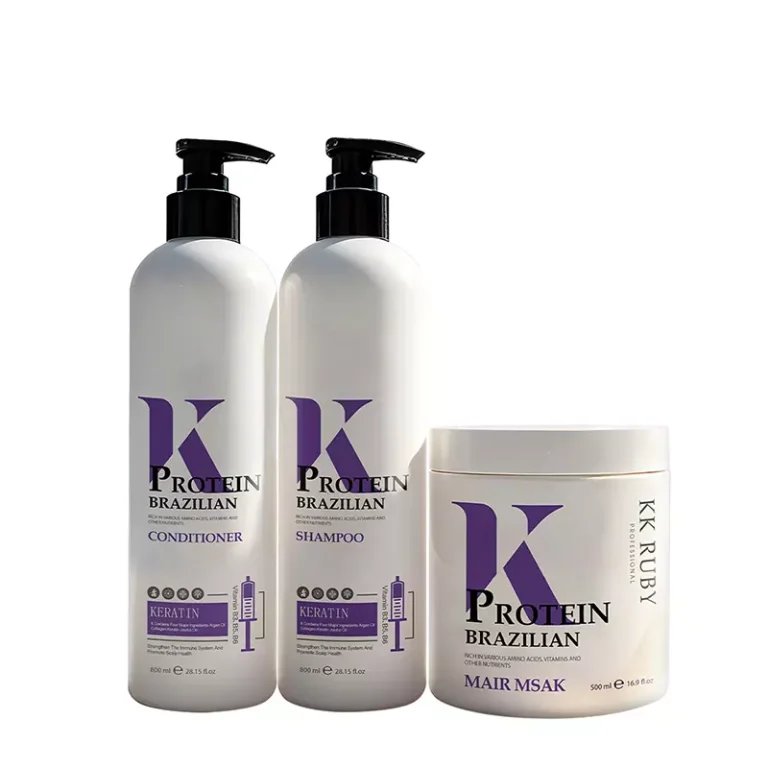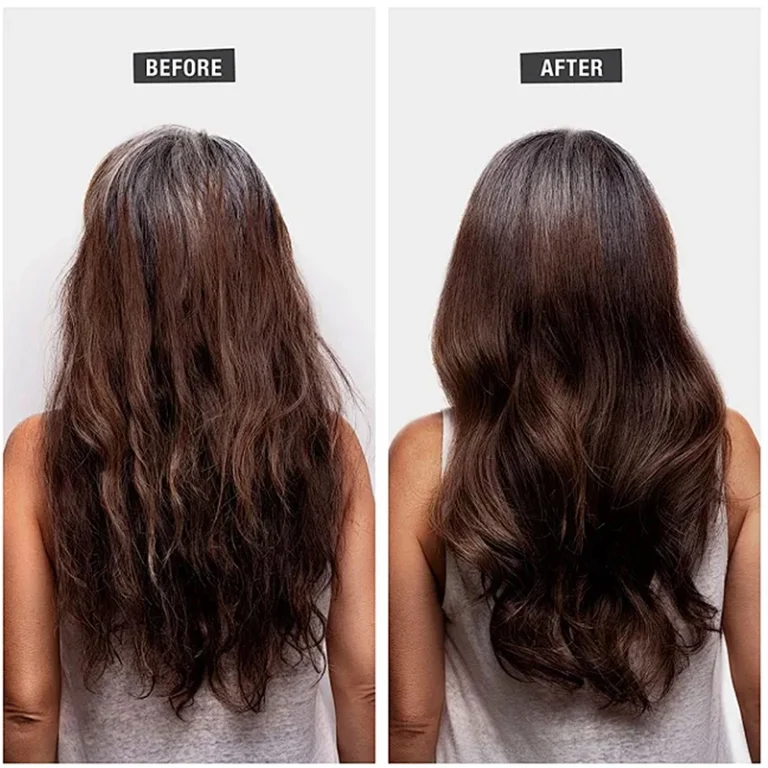
With consumers increasingly demanding personalized and functional hair care products, more and more entrepreneurs, brands, brick-and-mortar store owners, and even online influencers are seeking to build their own brands through shampoo OEM (Original Equipment Manufacturer) production. Shampoo OEM not only significantly lowers the entry barrier but also allows brands to focus on marketing and sales, entrusting complex R&D and production to specialized factories. This article will break down the entire shampoo OEM process in detail, from market prospects to final delivery, guiding you step-by-step on this brand-building journey.
I. Market Prospects: Why is Shampoo OEM a Hot Sector?
In recent years, the global hair care market has continued to grow, with strong demand in niche areas such as anti-hair loss, oil control, repair, silicone-free, and natural/organic products. The rise of social media marketing, live-streaming e-commerce, and new consumer brands has given small and medium-sized brands the opportunity to quickly enter the market through precise positioning. The shampoo OEM model allows brands to launch products with relatively small investment and faster speed, without the huge costs of building their own factories, making it especially suitable for emerging brands, micro-business teams, brick-and-mortar chain stores, and influencer-owned brands.
II. What do you need to prepare before becoming a shampoo OEM manufacturer?
- Define your brand positioning: Which demographic is your brand targeting? What pain points does it address?
- Budget planning: This includes costs for R&D sampling, minimum order quantity, packaging materials, and registration/testing.
- Qualification documents: Company business license (must include a cosmetics-related business scope), trademark registration certificate or acceptance notice.
- Market research: Understand competitors, ingredient trends, price ranges, and channel characteristics.
III. Target audience positioning for shampoo OEM
Accurate positioning is the first step to success. Common target audiences include:
- Mass market: Basic cleansing and smoothing needs
- Problem hair types: Hair loss, dandruff, oily scalp, sensitive scalp
- Specific consumer groups: Children, pregnant women, men, middle-aged and elderly
- Ingredient enthusiasts: Focus on natural and organic ingredients, specific active ingredients (such as amino acids, hyaluronic acid, ginger, caffeine)
- High-end/niche market: Luxury hair care, salon professional lines, designer brands
IV. How to find a reliable shampoo OEM manufacturer?
- Online Search: Search through B2B platforms, industry exhibition websites, and search engines.
- On-site Inspection: Visit the factory to inspect the production environment, equipment, and qualification certificates.
- Qualification Verification: Confirm that the factory possesses a “Cosmetic Production License” and meets standards such as GMPC/ISO22716.
- Case Studies: Review the factory’s past partner brands to understand its areas of expertise.
- Communication Details: Assess its R&D capabilities, cooperation, and communication efficiency.
- Compare Pricing and Services: Pay attention to the included services (R&D, registration, packaging design, etc.) to avoid hidden costs.
V. How to Determine Product Efficacy and Formula?
- Determine Core Efficacy: Such as anti-hair loss and hair strengthening, dandruff removal and itching relief, damage repair, etc.
- Select Ingredient System: Communicate with engineers to select safe and effective active ingredients.
- Customize Skin Feel and Fragrance: Adjust texture, foam, and fragrance according to the preferences of the target audience.
- Sample Testing: Prepare small samples for trial testing and adjust until satisfactory.
- Efficacy Verification: Support claims through laboratory tests or consumer trial reports.
VI. Understanding the Production Process
- Raw Material Procurement and Inspection: The factory procures qualified raw materials and conducts incoming inspection.
- Production: Weighing, mixing, emulsifying, cooling, and filling according to the formula.
- Quality Control: Inspection of semi-finished and finished products to ensure compliance with standards.
- Packaging: Filling into bottles, labeling, and boxing.
- Outgoing Inspection: Final inspection and issuance of a conformity report.
VII. Waiting for Production and Tracking
- Confirm the production schedule and understand the approximate delivery time.
- Maintain communication with the factory to understand the production progress.
- Request updates of photos or videos of key milestones.
- Allow buffer time to cope with possible delays.
VIII. Receiving and Inspection
- Inspect the outer packaging: for damage or contamination.
- Verify quantity and specifications: to ensure consistency with the order.
- Sampling Inspection: Inspect the product’s appearance, odor, and texture.
- Request documents: including the outgoing inspection report, filing certificate, batch information, etc.
- Storage Recommendations: Store products according to the factory’s requirements.
IX. Frequently Asked Questions
Q1: What is the minimum order quantity for shampoo OEM?
A: Typically 1000-3000 bottles, depending on the factory and packaging complexity.
Q2: How long does it take from sampling to market launch?
A: Approximately 2-4 months, including sampling, testing, registration, and production.
Q3: What is the difference between OEM and ODM?
A: OEM usually produces according to customer requirements, while ODM provides a mature formula from the factory for the customer to choose from.
Q4: Common reasons for registration rejection?
A: Formula issues, illegal claim terminology, incomplete documentation, etc. Close cooperation with the factory is necessary to avoid these.
Q5: How to control costs?
A: Optimize packaging material selection, reasonable minimum order quantity, simplify SKUs, and plan ahead to reduce modifications.
Q6: Can it be exported?
A: Yes, but it must comply with the regulations of the target country, and the factory must have the corresponding export qualifications.