What is a Shampoo Factory?
A shampoo factory is a specialized manufacturing facility that produces hair care products, primarily shampoos, for both consumer and commercial use. These facilities combine chemical engineering, formulation science, and production technology to create high-quality hair care solutions. The role of a shampoo factory extends beyond mere production; it involves research and development, quality control, packaging, and distribution. Understanding the operations of a shampoo factory is crucial for businesses looking to partner with manufacturers or launch their own hair care brands.
Key Components of a Shampoo Factory
Production Lines
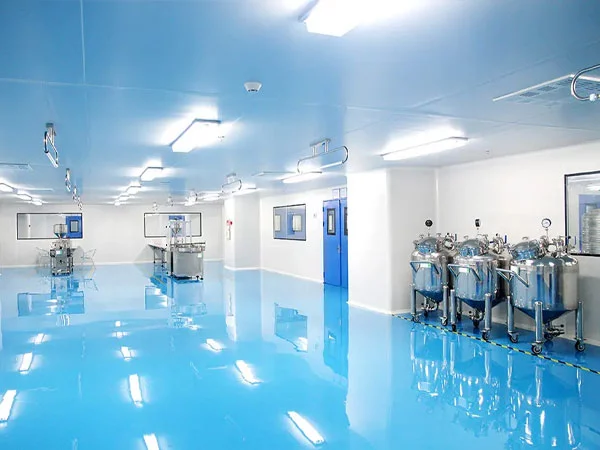
Shampoo factories feature automated production lines that handle mixing, heating, cooling, and filling processes. These lines are designed to ensure consistency in product quality and efficiency in production. Modern factories use advanced equipment such as homogenizers, mixers, and filling machines to maintain precise control over ingredients and production parameters.
Quality Control Labs
Quality control is a critical component of any shampoo factory. Labs are equipped with testing equipment to analyze raw materials, monitor production processes, and ensure final products meet safety and quality standards. Tests include pH level checks, microbial analysis, and stability testing to ensure products are safe for consumer use.
How to Choose the Right Shampoo Factory for Your Brand
Evaluate Production Capacity
When selecting a shampoo factory, it’s essential to assess its production capacity. This includes understanding the factory’s ability to handle your order volume, production lead times, and scalability. A factory with flexible production lines can accommodate both small-batch and large-scale orders, making it suitable for growing brands.
Check Certifications and Compliance
Reputable shampoo factories adhere to international standards and certifications such as GMP (Good Manufacturing Practices), ISO, and FDA regulations. These certifications ensure that the factory follows strict quality control measures and produces safe, high-quality products. Verifying these certifications is a key step in choosing a reliable manufacturing partner.
The Manufacturing Process in a Shampoo Factory
Raw Material Preparation
The first step in the manufacturing process is raw material preparation. This involves sourcing high-quality ingredients such as surfactants, conditioning agents, preservatives, and fragrances. Shampoo factories work with trusted suppliers to ensure the quality and consistency of raw materials.
Formulation and Mixing
Once raw materials are prepared, they are mixed in precise proportions according to the product formula. This process involves heating and mixing ingredients to create a homogeneous solution. The formulation stage is critical as it determines the product’s performance, texture, and shelf life.
Sustainability Practices in Modern Shampoo Factories
Eco-Friendly Packaging
Many modern shampoo factories are adopting sustainable practices, including the use of eco-friendly packaging materials. This includes recyclable bottles, biodegradable labels, and reduced plastic usage. These practices not only reduce the environmental impact but also appeal to environmentally conscious consumers.
Energy-Efficient Production
Shampoo factories are also investing in energy-efficient equipment and processes to reduce their carbon footprint. This includes using solar power, optimizing production lines to minimize energy consumption, and implementing waste reduction strategies. These efforts contribute to a more sustainable manufacturing process.
Trends Shaping the Shampoo Factory Industry
Customization and Personalization
Consumers are increasingly seeking personalized hair care solutions, leading shampoo factories to offer customization options. This includes creating products tailored to specific hair types, concerns, and preferences. Factories are using advanced technology to formulate personalized shampoos based on consumer data and feedback.
Clean Beauty Movement
The clean beauty movement is influencing the shampoo factory industry, with a growing demand for products made from natural and organic ingredients. Shampoo factories are responding by developing formulations free from harsh chemicals, parabens, and sulfates. This trend is driving innovation in ingredient sourcing and product development.
Benefits of Partnering with a Professional Shampoo Factory
Cost-Effective Production
Partnering with a professional shampoo factory can be cost-effective for brands. Factories benefit from economies of scale, allowing them to produce products at a lower cost than in-house production. This cost savings can be passed on to brands, making their products more competitive in the market.
Access to Expertise and Technology
Shampoo factories have access to specialized expertise and advanced technology that may be unavailable to small brands. This includes formulation scientists, quality control experts, and state-of-the-art production equipment. Partnering with a factory allows brands to leverage this expertise to develop high-quality products.
Common Challenges in Shampoo Factory Operations
Supply Chain Disruptions
Shampoo factories face challenges related to supply chain disruptions, such as raw material shortages and transportation delays. These disruptions can impact production schedules and lead to delays in product delivery. Factories are addressing this by diversifying their supplier base and implementing contingency plans.
Regulatory Compliance
Navigating regulatory requirements is another challenge for shampoo factories. Different regions have varying regulations regarding product safety, labeling, and ingredients. Factories must stay updated on these regulations to ensure compliance and avoid legal issues.
Future of Shampoo Factories
Technological Advancements
The future of shampoo factories will be shaped by technological advancements, including automation, artificial intelligence, and data analytics. These technologies will improve production efficiency, product quality, and customization capabilities. Factories will increasingly use AI to optimize formulations and predict consumer trends.
Global Expansion
Shampoo factories are expanding globally to meet the growing demand for hair care products. This includes establishing production facilities in emerging markets and forming partnerships with international brands. Global expansion will allow factories to tap into new markets and diversify their customer base.
Conclusion
A shampoo factory plays a vital role in the hair care industry, from product development to distribution. Understanding the operations, components, and trends of shampoo factories is essential for brands looking to succeed in the market. By partnering with a professional shampoo factory, brands can access expertise, technology, and cost-effective production solutions. As the industry continues to evolve, shampoo factories will adapt to meet consumer demands for sustainable, personalized, and high-quality hair care products.