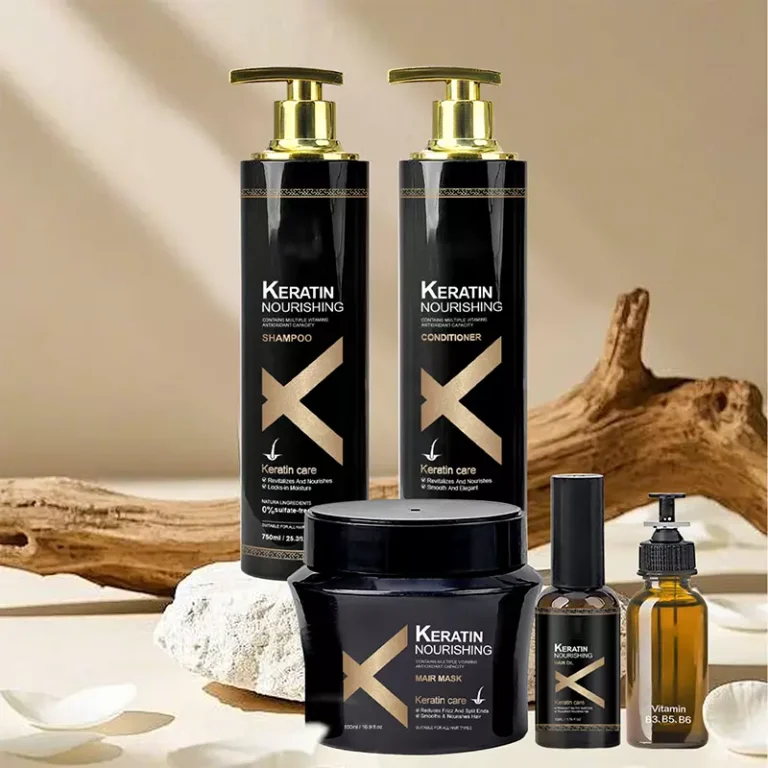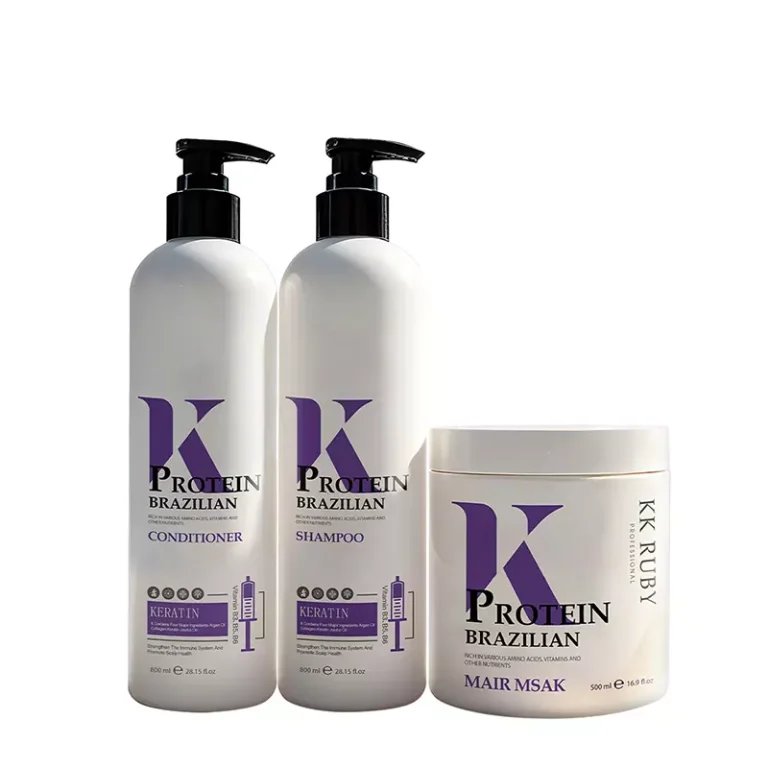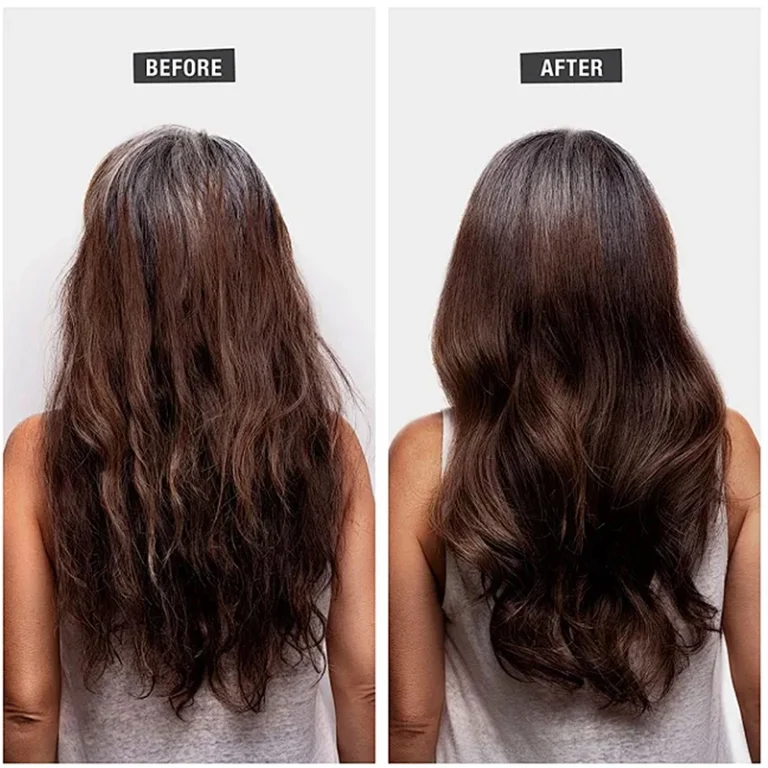
In today’s thriving personal care industry, the keyword “shampoo factory” represents far more than just production lines and facilities. It is the birthplace of hair care innovation, the guardian of quality control, and a crucial hub connecting raw materials with end consumers. As consumer demands for shampoo products become increasingly refined—from ingredient safety and efficacy verification to eco-friendly packaging and personalized needs—the role of a professional shampoo factory has become more vital than ever. This article provides an in-depth analysis of the core value, technological essence, collaboration models, and industry trends of modern shampoo factories, offering a comprehensive and practical guide for brand owners, entrepreneurs, and industry professionals.
Why Is a Shampoo Factory the Cornerstone of Brand Success?
The Key Translator from Concept to Product
Many emerging brands have excellent marketing ideas and brand stories but lack the professional capability to transform concepts into safe, effective, and stable products. Shampoo factories are the experts that fill this critical gap. Leveraging profound chemical expertise, extensive production experience, and stringent quality control systems, they ensure that every bottle of shampoo not only aligns with the marketing vision but also withstands the test of real-world use. The factory’s R&D team can translate abstract claims like “smooth and shiny” or “strengthening and anti-hair loss” into specific ingredient formulations. Through multiple sampling tests, they find the optimal balance between efficacy and user experience.
The Control Center for Quality, Compliance, and Risk Management
With increasingly strict cosmetics regulations worldwide, major markets have complex regulatory requirements (e.g., China’s “Cosmetics Supervision and Administration Regulations,” EU’s EC 1223/2009). A responsible shampoo factory acts as a “firewall” for brands to avoid compliance risks. They are well-versed in regulatory standards, ensuring full compliance from raw material sourcing, formula safety, and labeling to production practices. Furthermore, the factory’s rigorous quality control system—including incoming inspection, in-process quality control, and finished product testing—guarantees consistent product quality. This effectively prevents critical issues like batch inconsistency or microbial contamination, safeguarding brand reputation.
Core Service Matrix of Modern Shampoo Factories
One-Stop Custom Product Development (ODM/OEM)
This is the core business of factories. In ODM (Original Design Manufacturer) services, the factory provides end-to-end services from market research, concept development, formula R&D, packaging design, to mass production. The brand owner primarily focuses on marketing and sales. This model suits startup brands or companies looking to quickly expand their product lines. OEM (Original Equipment Manufacturer) refers to brands having mature product concepts or even formulas, commissioning the factory for standardized production. Leading modern factories often offer flexible collaboration models, capable of handling complete ODM projects as well as providing high-standard OEM production for brands with their own R&D capabilities.
Specialized and Segmented Formula R&D Capabilities
Top-tier shampoo factories have moved beyond “one formula fits all” and established refined formula libraries and R&D platforms:
- Hair Type Segmentation: Developing dedicated base systems and active ingredient formulations for different hair types: dry, oily, damaged, fine/thin, coarse/thick.
- Focused Efficacy: Conducting in-depth research in specific efficacy areas such as anti-hair loss and scalp nourishment, dandruff and itch control, color/perm repair, and scalp anti-aging, often possessing patented technologies or unique raw material application solutions.
- Response to Ingredient Trends: Quickly following market trends, such as developing Clean Beauty formulas, waterless or low-water formulas, high-concentration essence-infused shampoos, and microbiome (prebiotic) hair care products.
Inside the Factory: How Technology and Processes Shape Product Power?
Core Technology: Formulation Systems and Active Ingredient Delivery
The core of shampoo lies in its surfactant system. A factory’s technological strength is reflected in how it balances cleansing power and mildness. Today, the compound application of gentle cleansing ingredients like amino acid surfactants and amphoteric surfactants has become standard in high-end lines. Deeper technology involves the stable addition and delivery of active functional ingredients. For example, ensuring that peptides, plant extracts, or vitamins remain active in complex aqueous environments and effectively act on the scalp or hair cuticle requires sophisticated formulation and delivery technologies (e.g., liposomes, polymeric micelles).
Precision Manufacturing and Filling Processes
Production is far from simple mixing. Manufacturing processes directly affect product texture, stability, and freshness. Advanced factories employ fully or semi-automated vacuum emulsification systems, ensuring uniform mixing, no air bubbles, and minimizing heat damage to temperature-sensitive ingredients. Filling processes concern efficiency and presentation. Whether for common plastic bottles, premium glass bottles, or eco-friendly refill pouches, corresponding precision filling equipment is needed. Products with high concentrations of actives or special formulations (e.g., biphasic, suspended particles) pose greater challenges to filling process stability.
How to Choose and Evaluate a Reliable Shampoo Factory?
Key Evaluation Criteria Checklist
- Certifications and Licenses: Verify if it holds a legal “Cosmetics Production License” and certifications like ISO 22716 (Cosmetics Good Manufacturing Practices) or equivalent GMP. International brand partners may also require ISO 9001, ISO 14001, etc.
- R&D Capability and Laboratories: Conduct on-site visits to assess laboratory scale, R&D personnel, and equipment. Inquire about past successful cases, especially in your areas of interest.
- Production Equipment and Capacity: Understand the level of automation, workshop cleanliness grade, and maximum/minimum order quantity (MOQ). This determines if it can meet your order needs and quality requirements.
- Supply Chain and Quality Control: Inquire about raw material sources, supplier audit processes, and full-process testing capabilities from raw materials to finished products (e.g., physicochemical, microbiological, heavy metals, efficacy claim verification).
- Client Portfolio and Reputation: Research existing brands they serve, especially those you admire or consider benchmarks. Industry reputation is a crucial reference.
Clear Communication to Avoid Collaboration Pitfalls
Before collaboration, ensure written agreement on these key points:
- Pricing and Payment Terms: Clarify if unit prices include packaging, testing fees, taxes, etc.
- Intellectual Property (IP) Ownership: Especially in ODM collaborations, ownership of formulas, designs, etc., must be clearly defined.
- Lead Time and Logistics: Define timelines from sample approval to bulk delivery and designate logistics responsibilities.
- Quality Standards and After-Sales Service: Agree on clear product acceptance criteria and protocols for handling quality issues, including responsibility allocation.
Future Outlook: Evolution Trends of Shampoo Factories
Sustainability and Green Manufacturing
Environmental protection has become an irreversible trend. Leading factories are transitioning into green factories: utilizing renewable energy, implementing water recycling, and reducing waste. On the product side, they offer eco-friendly packaging solutions (e.g., recyclable materials, reduced plastic design), develop easily biodegradable formulas, and can provide brands with related carbon footprint data.
Digitalization and Flexible Production
Industry 4.0 is permeating cosmetics manufacturing. Through Manufacturing Execution Systems (MES) and IoT technology, real-time production data monitoring and traceability are achieved, enhancing efficiency and transparency. Simultaneously, flexible production capabilities enabling quick changeovers for small batches and diverse products are becoming a core competitiveness for factories, addressing the needs of niche brands and rapid iteration.
Open Innovation and Co-Creation Models
More factories are shifting from closed manufacturers to open innovation platforms. They collaborate with biotech companies, academic institutions, raw material suppliers, and even consumer communities to explore cutting-edge technologies (e.g., synthetic biology-derived ingredients, digital efficacy assessment tools) and rapidly commercialize them into market-ready products, growing together with brand clients.
Conclusion
Choosing the right shampoo factory is the first step for a brand to build a product moat in a competitive market. It is not just a production partner but a trusted R&D advisor, compliance expert, and quality guardian. In an era where ingredient-conscious consumers are rising, regulations are tightening, and sustainability is becoming a consensus, partnering with a modern factory possessing forward-looking vision, solid technology, rigorous quality control, and flexible services allows brands to focus on their strengths in market communication and user engagement. Ultimately, this collaboration is key to winning consumers’ long-term favor in the red ocean of hair care.
Frequently Asked Questions (FAQ)
Q: What is the typical Minimum Order Quantity (MOQ) when collaborating with a shampoo factory?
A: MOQ varies significantly depending on the factory and product complexity. For standard formulas, it might range from 10,000 to 30,000 bottles. However, MOQ can be higher for premium products using special packaging or complex processes. Some factories catering to micro-brands may offer trial orders as low as 3,000-5,000 bottles.
Q: How long does it generally take from concept to market launch?
A: A completely new ODM project typically takes 4 to 8 months. The timeline includes: requirement communication & market analysis (2-4 weeks), formula R&D & sampling/testing (4-8 weeks), packaging development & confirmation (4-8 weeks), stability testing (at least 12 weeks is an industry safety standard), filing/registration (depending on regional regulations; e.g., about 1 month for general cosmetics filing in China), and final mass production (2-4 weeks). Using mature formulas or modules can significantly shorten the time.
Q: Can the factory assist with product filing or registration?
A: In China, the factory, as the actual manufacturer, is a legally required participant in cosmetics filing or registration. It is responsible for providing production qualifications, product formulas, manufacturing processes, etc. Responsible factories offer professional regulatory support and assist the brand owner (the registrant/filer) in completing the application process, though this is typically offered as a specialized service.
Q: How can I ensure the factory doesn’t leak my formula to other brands?
A: First, the cooperation agreement must include strict and clear confidentiality clauses and IP ownership terms. Second, choose large, reputable factories with standardized management systems, as their internal controls are more robust. For core confidential formulas, discuss possibilities like providing information in segments or using code names. Building a long-term, trust-based partnership is the best safeguard.