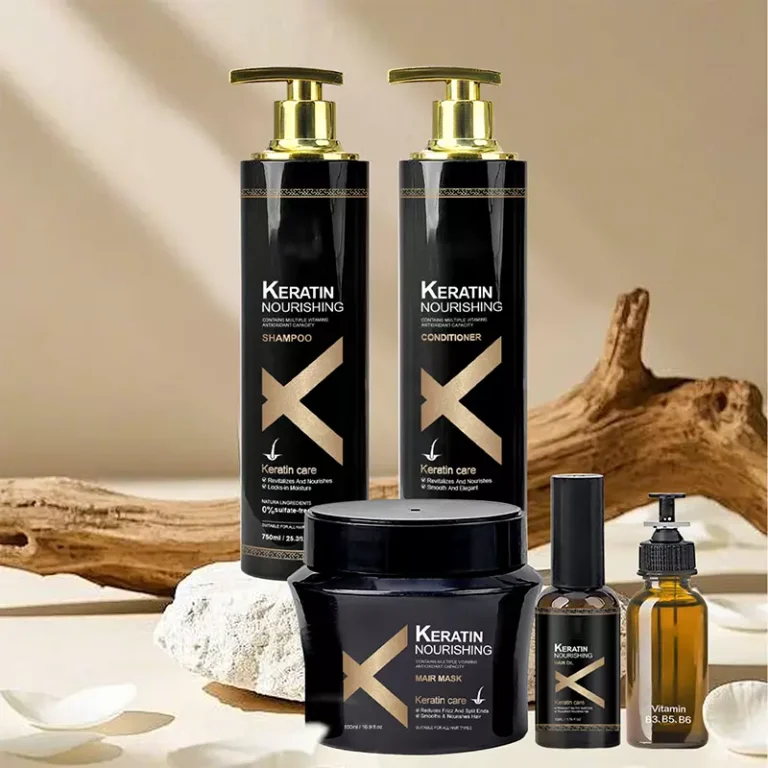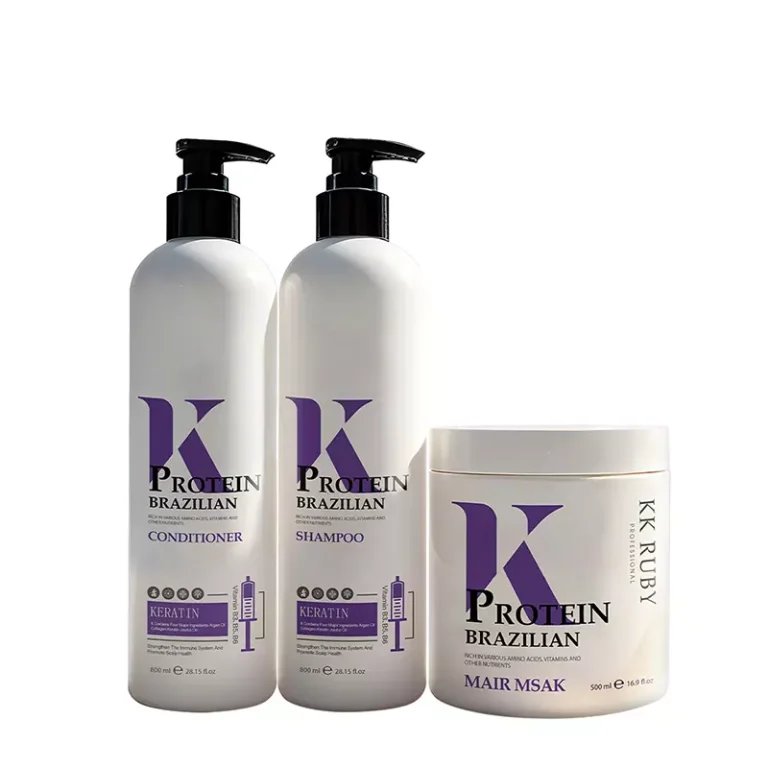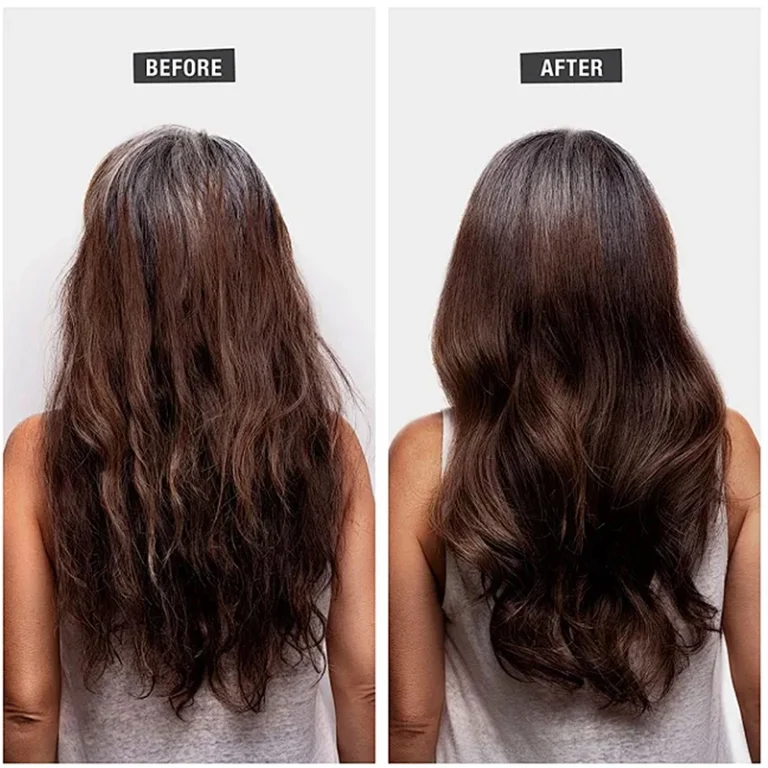
The global hair care market is projected to exceed $100 billion by the end of 2026. For brand owners, the “Made in China” label has evolved from a low-cost alternative to a symbol of high-tech manufacturing, rapid innovation, and sophisticated supply chain integration.
However, navigating the landscape of a shampoo factory in China requires more than just a Google search. It demands an understanding of regional clusters, chemical compliance, and the delicate balance between cost and quality. This guide provides an insider’s look at scaling your hair care brand using China’s manufacturing powerhouse.
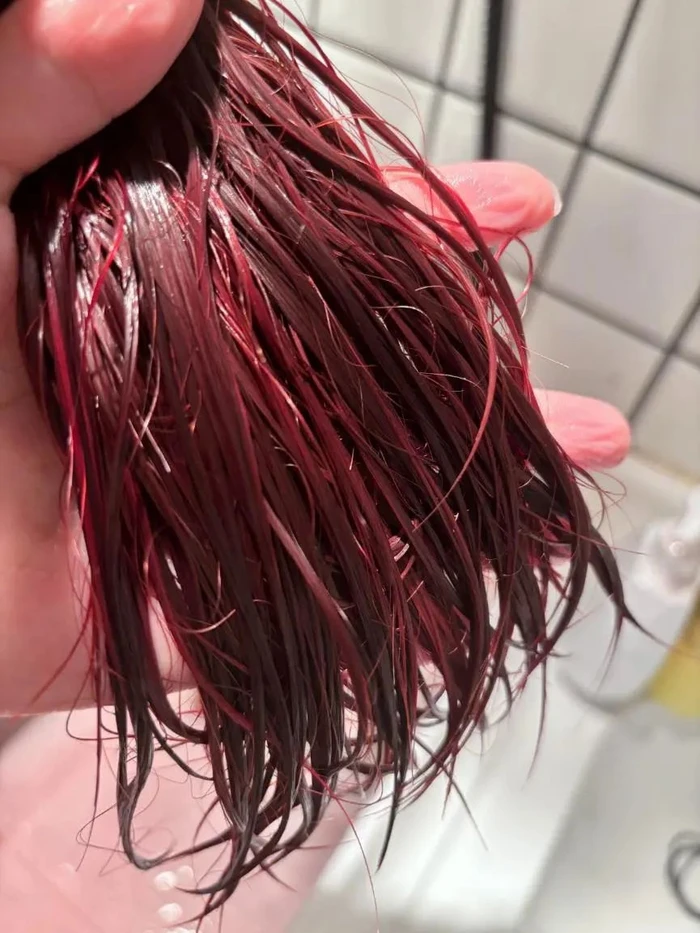
1. Why Source Your Shampoo Factory in China?
China produces approximately 30% of the world’s daily chemical products. For a brand owner, the advantages go beyond the unit price.
Unmatched Supply Chain Integration
When you partner with a Chinese shampoo factory, you aren’t just buying the liquid inside the bottle. You are tapping into a concentrated ecosystem. Most factories in Guangdong or Zhejiang are within a two-hour drive of their packaging suppliers, label printers, and raw material distributors. This proximity reduces lead times and minimizes the carbon footprint of your logistics.
Advanced R&D and Customization (OEM/ODM)
Modern Chinese factories have transitioned from simple OEM (Original Equipment Manufacturing) to sophisticated ODM (Original Design Manufacturing). Many now house state-of-the-art labs that specialize in:
- Sulfate-free and Paraben-free formulations.
- Traditional Chinese Medicine (TCM) integration (e.g., ginger, ginseng, and polygonum).
- Clinical-grade scalp care treatments.
2. Key Manufacturing Hubs for Hair Care in China
Geography plays a massive role in the cost and style of the shampoo you produce. Knowing where to look is half the battle.
Guangzhou: The Cosmetic Capital of the World
The Baiyun District in Guangzhou is the heart of China’s cosmetic industry. If you are looking for a high-end shampoo factory in China, this is where you start.
- Pros: Access to premium ingredients, experienced chemists, and high-quality packaging.
- Best for: Professional salon brands and luxury retail lines.
Zhejiang and Fujian: Mass Market Efficiency
While Guangzhou focuses on beauty, provinces like Zhejiang (specifically Ningbo and Yiwu) focus on volume and efficiency.
- Pros: Extremely competitive pricing and massive production capacity.
- Best for: High-volume daily necessities, hotel amenities, and budget-friendly supermarket brands.
3. How to Vet a Shampoo Factory: Quality & Compliance
In the liquid beauty industry, “cheap” can be expensive if the product fails microbial testing or leaks during shipping.
Certifications and Global Standards
A reputable factory must hold more than just a local business license. Ensure your partner possesses:
- GMPC (Good Manufacturing Practice Cosmetics): Crucial for US and EU markets.
- ISO 22716: The international standard for cosmetic manufacturing.
- MSDS (Material Safety Data Sheet): Required for international shipping and customs.
On-Site Inspection and Sampling Protocols
Never greenlight a mass production run based on the first sample. A professional vetting process should include:
- Stability Testing: Does the shampoo separate or change color at 45°C?
- Compatibility Testing: Does the formula react with the plastic of the bottle?
- Third-Party Audits: Use firms like SGS or Intertek to verify the factory’s claims regarding child labor, environmental waste, and hygiene.
4. Understanding the Cost Structure of Shampoo Production
Transparency in pricing is what separates a partner from a mere vendor.
The “Formula vs. Packaging” Ratio
In the world of shampoo, the liquid (the bulk) often costs less than the bottle and the pump. For a standard 500ml bottle:
- The Bulk: Prices vary based on active ingredients (e.g., Argan oil vs. basic surfactants).
- The Pump: This is often the most expensive component. A high-quality, “no-leak” lockable pump can significantly impact your COGS (Cost of Goods Sold).
Minimum Order Quantities (MOQ)
A common hurdle for new brands is the MOQ.
- Standard MOQ: Typically 5,000 to 10,000 units per SKU.
- Why so high? It’s usually dictated by the bottle manufacturer or the minimum amount of liquid the industrial mixing vats can process effectively.
- Negotiation Tip: Ask the factory if they have “stock bottles” available. Using existing molds can sometimes drop your MOQ to 1,000 units.
Google’s search algorithms and modern consumers both prioritize “Clean Beauty.” Your Chinese manufacturing partner must be able to keep up.
Sustainable Packaging Solutions
Chinese factories are now leaders in sustainable hair care packaging. You should inquire about:
- PCR (Post-Consumer Recycled) Plastics: Reusing ocean or landfill plastic.
- Refillable Pouches: Reducing plastic weight by up to 70%.
- Aluminum Bottles: Fully recyclable and premium in feel.
Formulation Transparency and “Free-From” Claims
To rank well in the “Clean Beauty” space, your shampoo must avoid “The Dirty List.” Ensure your factory can provide certificates of analysis proving the absence of:
- Phthalates and Sulfates (SLS/SLES).
- Synthetic Dyes.
- Formaldehyde-releasing preservatives.
6. Logistics and Scaling Your Brand
Producing the shampoo is only the first step; getting it to your warehouse is the second.
Shipping Liquid Goods Internationally
Shampoo is a liquid, which means it is heavy and subject to specific shipping regulations.
- Sea Freight: The most cost-effective method. Ensure your factory provides “Seaworthy Packaging” (double-walled cartons and palletization).
- Customs Documentation: Ensure the HS Code (usually 3305.10) is correctly filed to avoid delays.
From Private Label to Full Customization
Most brand owners start with Private Label (putting your logo on a pre-existing formula). As you scale, you can move to Custom Formulation. A good China shampoo factory will allow you to “tweak” their base formula—adding a signature scent or a specific botanical extract—to create a Unique Selling Proposition (USP).
Conclusion: Finding Your Perfect Partner
Finding the right shampoo factory in China is a journey of due diligence. It’s about finding a manufacturer that understands your brand’s DNA, adheres to global safety standards, and offers a transparent pricing model.
By focusing on the “Cosmetic Capital” of Guangzhou, demanding GMPC certifications, and leaning into sustainable packaging, you can build a hair care brand that isn’t just profitable, but also respected globally.
Would you like me to help you draft a specific Request for Quotation (RFQ) template to send to Chinese manufacturers?