When launching a shampoo brand, one of the most critical decisions is selecting the right shampoo factory. A reliable manufacturer doesn’t just produce products—it shapes your brand’s quality, scalability, and market reputation. This guide breaks down everything you need to know about shampoo factories, from key selection criteria to industry trends that will help your brand stand out in 2024.
H2: What Defines a High-Quality Shampoo Factory?
A top-tier shampoo factory combines technical expertise, regulatory compliance, and customer-centric services. Here’s what to look for:
1. GMP-Certified Production Facilities
Good Manufacturing Practices (GMP) certification is non-negotiable. Factories with GMP compliance follow strict hygiene, safety, and quality control protocols. For example, a GMP-certified facility will have separate zones for raw material storage, production, and packaging to prevent cross-contamination. This ensures your shampoo meets global standards (e.g., FDA, EU Cosmetics Regulation).
2. Custom Formulation Capabilities
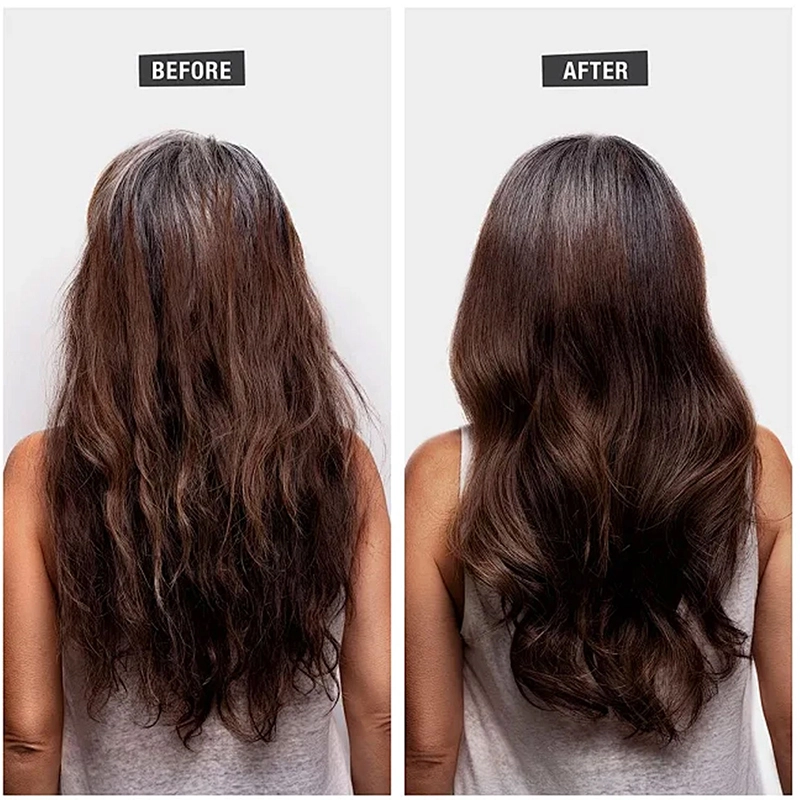
Every brand has unique needs—whether you’re creating a sulfate-free shampoo for sensitive scalps or a volumizing formula for curly hair. A quality factory will offer in-house R&D teams to develop custom formulations tailored to your brand’s vision. Look for manufacturers that provide sample testing and adjust formulas based on your feedback.
Key Factors to Consider When Choosing a Shampoo Factory
Selecting a factory requires balancing cost, quality, and reliability. Here are the most important factors:
1. Production Capacity and Scalability
Your chosen factory should handle both small-batch trials and large-scale production. For example, if you’re launching a startup, a factory that offers minimum order quantities (MOQs) of 500 units allows you to test the market without overinvesting. As your brand grows, the factory should scale production to meet demand—avoid manufacturers with rigid capacity limits.
2. Ingredient Sourcing and Transparency
The quality of your shampoo starts with raw materials. Ask the factory about their ingredient suppliers: do they use organic, sustainably sourced ingredients? Are they transparent about ingredient origins and testing? A reputable factory will provide a full ingredient list and safety data sheets (SDS) for every product.
Trends Shaping Shampoo Factories in 2024
The shampoo industry is evolving rapidly—here’s how factories are adapting:
1. Sustainable and Eco-Friendly Practices
Consumers are demanding green products, so factories are shifting to eco-friendly packaging (e.g., recycled plastic, biodegradable bottles) and zero-waste production processes. Some factories even use renewable energy (solar, wind) to power their facilities. Choosing a sustainable factory aligns your brand with consumer values and reduces your environmental footprint.
2. AI-Driven Quality Control
Modern factories use artificial intelligence to monitor production lines in real time. AI systems can detect defects (e.g., uneven viscosity, color inconsistencies) faster than human inspectors, ensuring every batch of shampoo meets quality standards. This technology also reduces waste and improves production efficiency.
H2: How to Vet a Shampoo Factory (Step-by-Step)
Don’t rush the selection process—follow these steps to find the right partner:
1. Request Samples and Testimonials
Ask the factory for samples of their existing products to evaluate quality. Also, request testimonials from past clients—this gives you insight into their reliability and customer service. A factory with positive reviews from brands similar to yours is a good sign.
2. Visit the Facility (or Schedule a Virtual Tour)
If possible, visit the factory in person to see their production process firsthand. Check for clean facilities, well-trained staff, and modern equipment. If an in-person visit isn’t feasible, ask for a virtual tour to assess their operations.
Common Mistakes to Avoid When Working with a Shampoo Factory
Even with careful vetting, brands can make costly mistakes. Here’s what to watch out for:
1. Choosing the Cheapest Option
While cost is important, the cheapest factory may cut corners on quality. For example, using low-quality ingredients can lead to customer complaints and damage your brand’s reputation. Balance cost with quality—investing in a reliable factory will save you money in the long run.
2. Ignoring Communication and Support
A factory with poor communication can cause delays and misunderstandings. Look for manufacturers that assign a dedicated account manager to your project—this ensures you have a single point of contact for questions and updates.
Final Tips for a Successful Partnership with a Shampoo Factory
Once you’ve selected a factory, follow these tips to build a strong relationship:
1. Clearly Define Your Requirements
Provide the factory with a detailed brief, including product specifications, packaging design, and delivery timelines. The more specific you are, the less room for error.
2. Establish a Quality Control Process
Work with the factory to create a quality control checklist (e.g., pH testing, stability testing). Conduct regular audits to ensure the factory is meeting your standards.
In conclusion, choosing the right shampoo factory is a make-or-break decision for your brand. By focusing on quality, scalability, and sustainability, you can partner with a manufacturer that helps your brand succeed in the competitive hair care market. Whether you’re a startup or an established brand, this guide will help you navigate the process and make an informed choice.