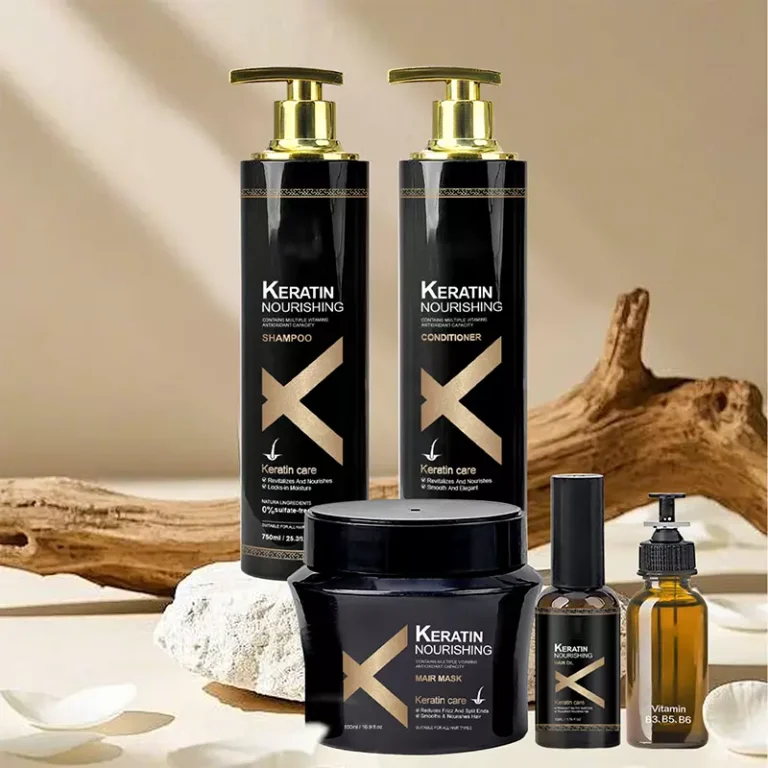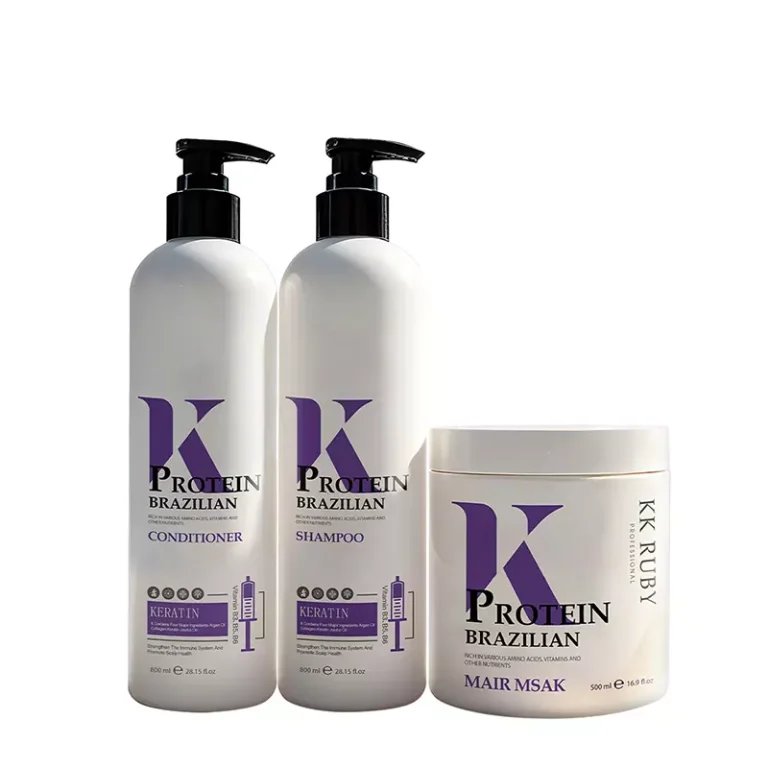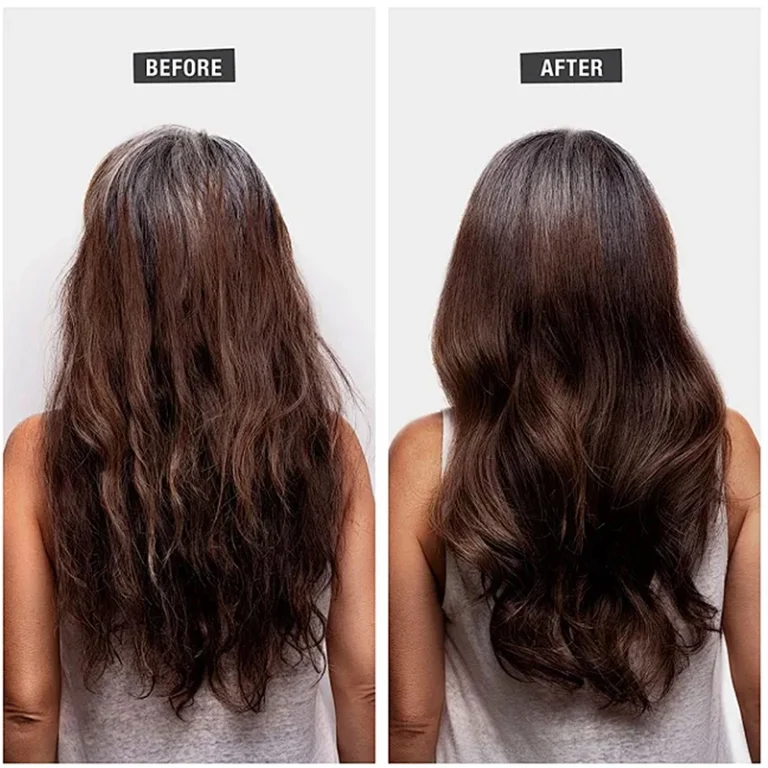
What is a Private Label Shampoo Manufacturer?
A Private Label Shampoo Manufacturer is a company that produces shampoo products for other brands to sell under their own label. This business model allows brands to offer high-quality hair care products without investing in manufacturing facilities or R&D. Private label manufacturers handle everything from formulation and production to packaging and labeling, giving brands complete control over their product line while reducing operational costs.
Key Benefits of Partnering with a Private Label Shampoo Manufacturer
Cost Efficiency: By outsourcing production, brands avoid the high costs of building and maintaining manufacturing facilities. Private label manufacturers leverage economies of scale to offer competitive pricing.
Customization: Brands can customize every aspect of their shampoo, from ingredients and scent to packaging design. This flexibility allows them to cater to specific market niches, such as organic, sulfate-free, or color-safe products.
Speed to Market: Private label manufacturers have established production lines, enabling brands to launch new products quickly. This is crucial in the fast-paced beauty industry where trends change rapidly.
Quality Control: Reputable private label manufacturers adhere to strict quality standards, ensuring that products meet regulatory requirements and consumer expectations. Many manufacturers also offer third-party testing to verify product safety and efficacy.
How to Choose the Right Private Label Shampoo Manufacturer
Selecting the right manufacturer is critical to the success of your brand. Here are some key factors to consider:
Experience and Expertise: Look for manufacturers with a proven track record in the hair care industry. They should have experience producing the type of shampoo you want to offer (e.g., organic, anti-dandruff).
Certifications: Check for certifications such as GMP (Good Manufacturing Practices), ISO, or organic certifications. These indicate that the manufacturer follows industry best practices.
Customization Options: Ensure the manufacturer offers the level of customization you need, from formulation to packaging. Ask about their minimum order quantities (MOQs) and lead times.
Transparency: A reliable manufacturer should be transparent about their processes, ingredients, and pricing. They should provide clear communication and support throughout the production process.
The Process of Working with a Private Label Shampoo Manufacturer
Working with a private label manufacturer involves several key steps, from initial consultation to product launch. Understanding this process can help you navigate the partnership smoothly.
Step 1: Initial Consultation and Product Planning
The first step is to discuss your brand’s goals and product requirements with the manufacturer. This includes defining your target market, product specifications (e.g., ingredients, scent, packaging), and budget. The manufacturer will provide samples and recommendations based on your needs.
Step 2: Formulation and Testing
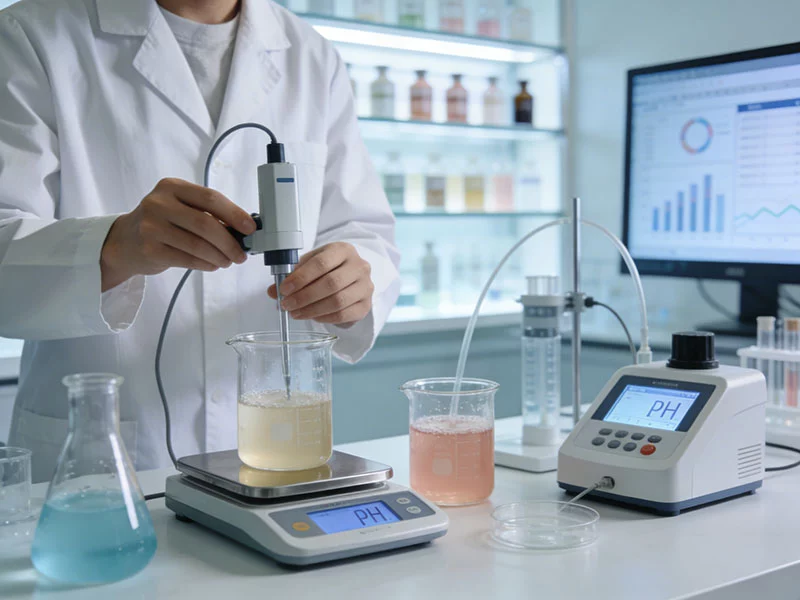
Once you’ve agreed on the product concept, the manufacturer will develop a custom formulation. They may offer pre-formulated options or create a unique formula from scratch. After formulation, the product undergoes rigorous testing to ensure safety, efficacy, and compliance with regulatory standards.
Step 3: Packaging and Labeling
Packaging plays a crucial role in brand identity. The manufacturer will work with you to design packaging that aligns with your brand’s aesthetic. This includes choosing materials, colors, and labeling information (e.g., ingredients, usage instructions, branding).
Step 4: Production and Quality Assurance
After finalizing the formulation and packaging, the manufacturer will begin production. They will conduct quality checks at every stage to ensure consistency and compliance. Once production is complete, the products are ready for distribution.
Trends in Private Label Shampoo Manufacturing
The private label shampoo industry is constantly evolving, driven by consumer demand for innovative and sustainable products. Here are some key trends to watch:
Sustainability and Eco-Friendly Practices
Consumers are increasingly prioritizing sustainability, and private label manufacturers are responding by using eco-friendly ingredients and packaging. This includes biodegradable materials, recycled packaging, and cruelty-free formulations. Brands that align with these values can attract environmentally conscious consumers.
Personalization and Customization
Personalized hair care is on the rise, with consumers seeking products tailored to their specific hair types and concerns. Private label manufacturers are offering more customization options, such as personalized scents, ingredients, and packaging. This allows brands to create unique products that stand out in the market.
Clean Beauty and Natural Ingredients
Clean beauty has become a major trend, with consumers avoiding harsh chemicals like sulfates, parabens, and phthalates. Private label manufacturers are formulating shampoos with natural and organic ingredients, such as plant extracts, essential oils, and vitamins. These products appeal to consumers who prioritize health and wellness.
Case Studies: Successful Private Label Shampoo Brands
To illustrate the potential of private label shampoo manufacturing, let’s look at some successful brands that have leveraged this model.
Case Study 1: Eco-Friendly Hair Care Brand
A small startup wanted to launch an eco-friendly shampoo line using sustainable ingredients and packaging. They partnered with a private label manufacturer that specialized in organic formulations. The manufacturer helped them develop a sulfate-free, vegan shampoo with recycled plastic packaging. The brand quickly gained traction among environmentally conscious consumers and expanded its product line to include conditioners and hair masks.
Case Study 2: Niche Hair Care Brand
A salon owner wanted to create a line of professional-grade shampoos for their clients. They worked with a private label manufacturer to develop custom formulations tailored to different hair types (e.g., curly, color-treated, dry). The manufacturer provided small MOQs, allowing the salon to test the products before scaling. The line was a success, and the salon now sells its products online and in-store.
Why Choose a Private Label Shampoo Manufacturer Over In-House Production?
Many brands wonder whether to invest in in-house production or partner with a private label manufacturer. Here are some reasons why private label manufacturing is often the better choice:
Lower Upfront Costs
In-house production requires significant investment in equipment, facilities, and staff. Private label manufacturing eliminates these costs, allowing brands to allocate resources to marketing and sales.
Access to Expertise
Private label manufacturers have specialized knowledge and experience in hair care formulation and production. They stay up-to-date with industry trends and regulatory changes, ensuring that your products are safe and compliant.
Scalability
As your brand grows, a private label manufacturer can easily scale production to meet demand. This flexibility is crucial for brands looking to expand into new markets or launch new products.
How to Market Your Private Label Shampoo Brand
Once your products are ready, effective marketing is key to driving sales and building brand awareness. Here are some strategies to consider:
Content Marketing
Create valuable content that educates consumers about your products and addresses their hair care concerns. This can include blog posts, tutorials, and social media content. For example, you could write a blog post about “The Benefits of Sulfate-Free Shampoo” or a video tutorial on “How to Choose the Right Shampoo for Your Hair Type.”
Social Media Marketing
Leverage social media platforms like Instagram, TikTok, and Pinterest to showcase your products. Use high-quality images and videos to highlight your shampoo’s benefits and packaging. Collaborate with influencers to reach a wider audience and build credibility.
Email Marketing
Build an email list and send regular newsletters to keep customers informed about new products, promotions, and hair care tips. Personalize your emails to make them more engaging and relevant to your audience.
Conclusion
Partnering with a Private Label Shampoo Manufacturer is a smart choice for brands looking to enter the hair care market or expand their product line. It offers cost efficiency, customization, and speed to market, allowing brands to focus on what they do best—building their brand and connecting with consumers. By choosing the right manufacturer and implementing effective marketing strategies, you can create a successful private label shampoo brand that stands out in a competitive market.
Remember, the key to success is to focus on quality, sustainability, and consumer needs. With the right approach, your private label shampoo brand can achieve high rankings on Google and attract loyal customers.