Private Label Shampoo Cost: A Complete 2024 Guide to Pricing & Profitability
In the competitive world of beauty and personal care, private label shampoo has emerged as a lucrative business opportunity for entrepreneurs, salons, and retailers alike. But one of the most critical questions that every business owner asks is: What is the real cost of private label shampoo? Understanding the factors that influence pricing is essential for setting competitive rates, maximizing profit margins, and building a sustainable brand. This comprehensive guide will break down every aspect of private label shampoo cost, from raw materials to manufacturing, packaging, and beyond. Whether you’re a startup looking to launch your first product or an established brand aiming to optimize costs, this article will provide you with the insights you need to make informed decisions.
Understanding Private Label Shampoo Cost: Key Factors That Shape Pricing
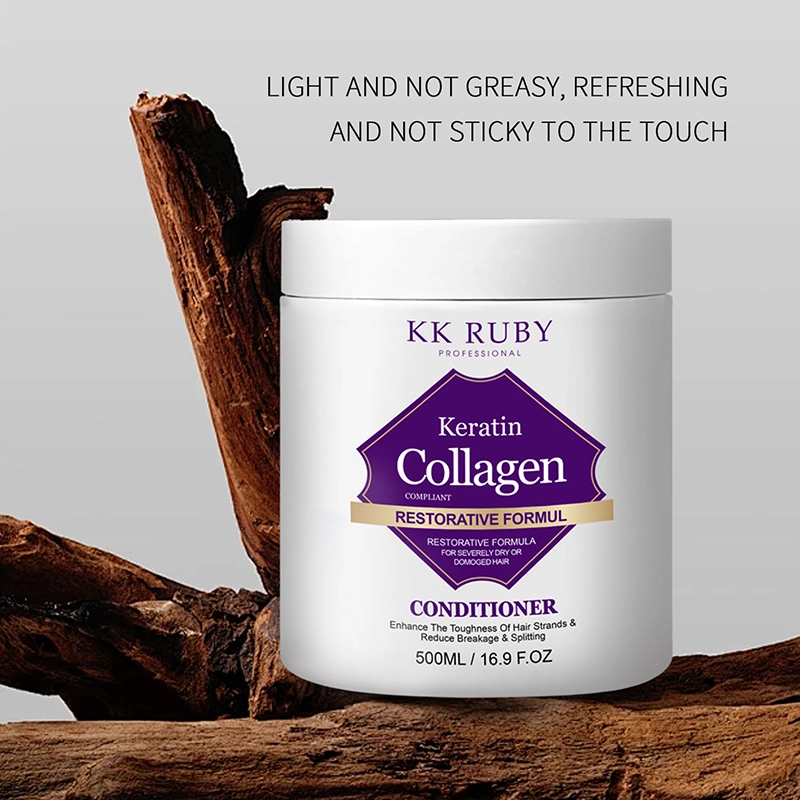
When it comes to private label shampoo, the cost is not a one-size-fits-all figure. It’s influenced by a complex interplay of variables that can vary significantly from one manufacturer to another. Let’s dive into the primary factors that determine how much you’ll pay for your private label shampoo.
1.1 Raw Materials: The Foundation of Cost
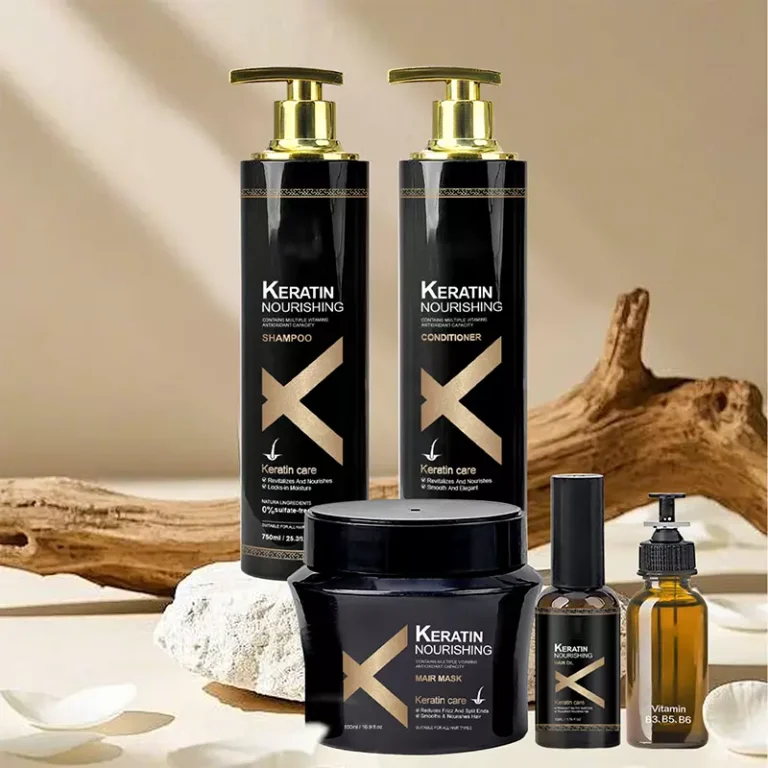
The quality and type of raw materials used in your shampoo formula are the single biggest drivers of cost. High-quality ingredients like natural extracts, organic oils, and specialized active ingredients (such as anti-dandruff agents or hair growth stimulants) will naturally cost more than basic, synthetic alternatives. For example, a shampoo infused with argan oil or keratin will be pricier than a standard cleansing shampoo. Additionally, the concentration of these ingredients matters—higher concentrations mean higher costs. It’s important to balance quality with budget; while premium ingredients can justify a higher retail price, they also increase your production costs.
1.2 Manufacturing and Labor Costs
The cost of manufacturing private label shampoo includes not just the raw materials but also the labor, equipment, and facilities required to produce the product. Larger manufacturers often benefit from economies of scale, meaning they can produce shampoo at a lower cost per unit than smaller facilities. Labor costs also vary by location—manufacturers in regions with lower labor costs may offer more competitive pricing. However, it’s crucial to ensure that the manufacturer maintains high-quality standards, as cutting corners on labor or equipment can lead to subpar products that harm your brand’s reputation.
Breaking Down the Cost Structure of Private Label Shampoo
To get a clear picture of private label shampoo cost, it’s helpful to break down the expenses into specific categories. This will allow you to identify areas where you can potentially reduce costs without compromising on quality.
2.1 Formulation Costs: Custom vs. Pre-Made
One of the first decisions you’ll make is whether to use a pre-made formula or create a custom one. Pre-made formulas are often more cost-effective because they’re already developed and tested, reducing the time and resources needed for research and development. Custom formulas, on the other hand, allow you to create a unique product that stands out in the market, but they come with higher costs for formulation development, testing, and regulatory compliance. The choice between custom and pre-made will depend on your brand’s goals and budget.
2.2 Packaging: A Significant Cost Component
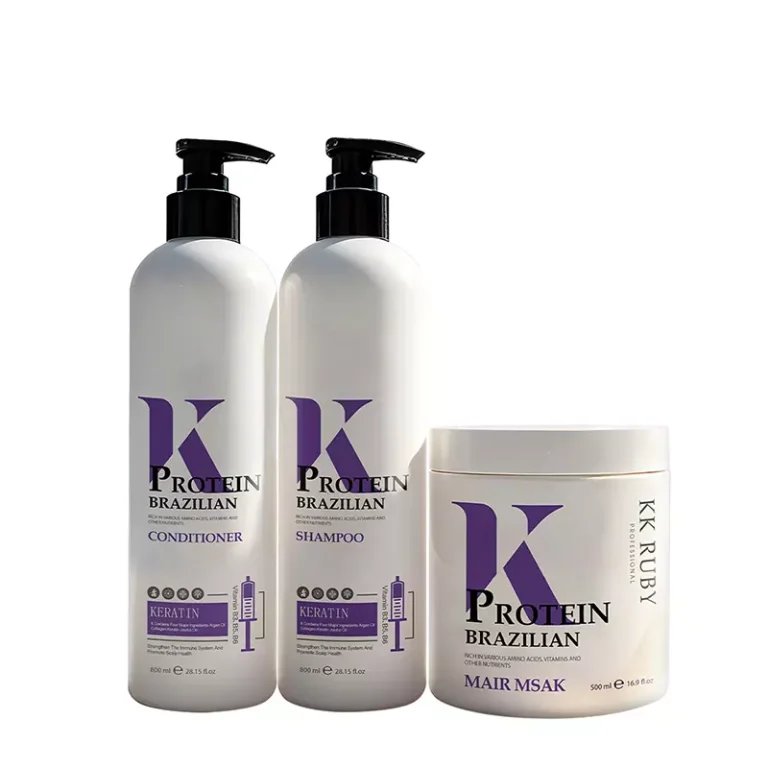
Packaging is another major expense in private label shampoo cost. The type of bottle, label, and closure you choose can have a big impact on the final price. For example, a high-end glass bottle with a pump dispenser will cost more than a simple plastic bottle with a flip-top cap. Additionally, custom labels with unique designs or special finishes (like embossing or foil stamping) will add to the cost. It’s important to consider both the aesthetic appeal and functionality of your packaging—while eye-catching packaging can attract customers, it should also be practical and cost-effective.
How to Calculate Your Private Label Shampoo Cost
Calculating the total cost of your private label shampoo involves adding up all the individual expenses. Here’s a step-by-step guide to help you determine your cost per unit and set a profitable retail price.
3.1 Cost Per Unit Calculation
To calculate the cost per unit, you’ll need to consider the following:
Raw materials cost per unit
Manufacturing and labor cost per unit
Packaging cost per unit
Shipping and logistics costs
Overhead costs (such as administrative expenses, marketing, and sales)
For example, if your raw materials cost $0.50 per unit, manufacturing and labor cost $0.30 per unit, packaging cost $0.20 per unit, and shipping cost $0.10 per unit, your total cost per unit would be $1.10. You can then add a markup to this cost to determine your retail price. A common markup for private label products is 2-3 times the cost, but this can vary depending on your target market and competition.
3.2 Volume Discounts: Saving Money with Larger Orders
Many manufacturers offer volume discounts, meaning the more units you order, the lower the cost per unit. This is because larger orders allow manufacturers to spread their fixed costs (like equipment setup and labor) over more units. For example, ordering 1,000 units might cost $1.10 per unit, while ordering 5,000 units could reduce the cost to $0.90 per unit. If you have the storage space and demand, ordering in bulk can significantly reduce your private label shampoo cost and increase your profit margins.
Strategies to Reduce Private Label Shampoo Cost Without Sacrificing Quality
While it’s important to keep costs low, you don’t want to compromise on the quality of your product. Here are some strategies to help you reduce your private label shampoo cost while maintaining high standards.
4.1 Optimize Your Formulation
Work with your manufacturer to optimize your shampoo formula for cost efficiency. This could involve using alternative ingredients that are less expensive but still deliver the desired results, or adjusting the concentration of certain ingredients. For example, if you’re using a high-cost extract, you might be able to reduce the concentration slightly without affecting the product’s performance. Your manufacturer should be able to provide guidance on how to optimize your formula for cost and quality.
4.2 Negotiate with Suppliers
Don’t be afraid to negotiate with your raw material suppliers and manufacturers. Many suppliers are willing to offer discounts for long-term contracts or large orders. Additionally, you can compare prices from multiple suppliers to find the best deal. Keep in mind that the cheapest option isn’t always the best—you’ll want to balance cost with quality to ensure that your product meets your standards.
The Impact of Private Label Shampoo Cost on Your Business
The cost of your private label shampoo will have a direct impact on your business’s profitability and success. Here’s how to ensure that your pricing strategy aligns with your business goals.
5.1 Setting a Competitive Retail Price
When setting your retail price, you’ll need to consider not just your cost per unit but also the prices of your competitors. If your product is priced too high, you may struggle to attract customers; if it’s priced too low, you may not make a profit. Conduct market research to determine the average price of similar products in your niche, and use this information to set a price that is both competitive and profitable.
5.2 Maximizing Profit Margins
To maximize your profit margins, you’ll need to find ways to reduce your costs while maintaining or increasing your retail price. This could involve negotiating better deals with suppliers, optimizing your manufacturing process, or increasing your order volume to take advantage of volume discounts. Additionally, you can consider upselling or cross-selling complementary products (like conditioners or hair masks) to increase your average order value.
Choosing the Right Private Label Shampoo Manufacturer
The manufacturer you choose will play a crucial role in determining your private label shampoo cost and the quality of your product. Here are some factors to consider when selecting a manufacturer.
6.1 Experience and Expertise
Look for a manufacturer with extensive experience in producing private label shampoo. They should have a deep understanding of the industry, including regulatory requirements and market trends. An experienced manufacturer will be able to provide valuable guidance on formulation, packaging, and pricing, helping you to make informed decisions.
6.2 Quality Control and Certifications
Ensure that the manufacturer has strict quality control processes in place to ensure that every batch of shampoo meets your specifications. They should also have relevant certifications, such as GMP (Good Manufacturing Practices) or ISO, which demonstrate their commitment to quality and safety. Ask for samples of their work and check customer reviews to get a sense of their reputation.
Common Mistakes to Avoid When Calculating Private Label Shampoo Cost
Calculating private label shampoo cost can be complex, and there are several common mistakes that business owners make. Here’s what to watch out for.
7.1 Underestimating Hidden Costs
Many business owners forget to account for hidden costs like shipping, taxes, and regulatory fees. These costs can add up quickly and significantly impact your bottom line. Make sure to include all expenses in your cost calculation to avoid unexpected surprises.
7.2 Sacrificing Quality for Cost
While it’s important to keep costs low, sacrificing quality to save money can be a costly mistake. A subpar product will damage your brand’s reputation and lead to customer dissatisfaction, which can ultimately hurt your sales. It’s better to invest in high-quality ingredients and manufacturing processes to ensure that your product stands out in the market.
Case Studies: Real-World Examples of Private Label Shampoo Cost
To illustrate how private label shampoo cost works in practice, let’s look at a few real-world examples.
8.1 Case Study 1: Startup Brand
A startup brand orders 500 units of a basic shampoo formula with standard packaging. The cost breakdown is as follows:
Raw materials: $0.40 per unit
Manufacturing: $0.25 per unit
Packaging: $0.15 per unit
Shipping: $0.10 per unit
Total cost per unit: $0.90
Retail price: $2.70 (3x markup)
Profit per unit: $1.80
8.2 Case Study 2: Established Brand
An established brand orders 10,000 units of a premium shampoo formula with custom packaging. The cost breakdown is as follows:
Raw materials: $0.80 per unit
Manufacturing: $0.35 per unit
Packaging: $0.40 per unit
Shipping: $0.05 per unit
Total cost per unit: $1.60
Retail price: $4.80 (3x markup)
Profit per unit: $3.20
Frequently Asked Questions About Private Label Shampoo Cost
Here are some of the most common questions about private label shampoo cost, along with expert answers.
9.1 How much does it cost to start a private label shampoo brand?
The cost to start a private label shampoo brand can vary widely depending on factors like the size of your initial order, the complexity of your formula, and the type of packaging you choose. A small startup might spend as little as $500-$1,000 for a small order, while a larger brand could invest $10,000 or more. It’s important to create a detailed budget that includes all expenses, from formulation to marketing.
9.2 Can I get a sample before placing a large order?
Yes, most manufacturers offer samples of their products so you can test the quality before placing a large order. This is a crucial step to ensure that the product meets your expectations and is suitable for your target market. Be prepared to pay a small fee for samples, as manufacturers incur costs to produce them.
Conclusion: How to Succeed with Private Label Shampoo Cost
Understanding private label shampoo cost is essential for building a successful brand. By breaking down the cost structure, optimizing your formulation, and choosing the right manufacturer, you can set competitive prices and maximize your profit margins. Remember to consider both the short-term and long-term costs of your product, and don’t be afraid to invest in quality to build a loyal customer base. With the right strategy, private label shampoo can be a profitable and rewarding business venture.
CTA 1: Ready to Launch Your Private Label Shampoo?
If you’re ready to take the next step and launch your own private label shampoo brand, we’re here to help. Our team of experts can guide you through every step of the process, from formulation to packaging and beyond. Contact us today to learn more about our private label shampoo services and get a free quote.
CTA 2: Get a Free Sample of Our Shampoo Formulas
Curious about the quality of our private label shampoo? Request a free sample today and experience the difference for yourself. Our samples are designed to showcase the quality and effectiveness of our products, so you can make an informed decision before placing your order.
CTA 3: Join Our Newsletter for Exclusive Tips and Discounts
Stay up-to-date with the latest trends in the private label shampoo industry and get exclusive tips and discounts by joining our newsletter. We’ll send you regular updates on new products, industry news, and special offers to help you grow your business.
CTA 4: Follow Us on Social Media
Connect with us on social media to get behind-the-scenes insights into our manufacturing process, customer success stories, and more. Follow us on Instagram, Facebook, and Twitter to stay connected and join our community of private label entrepreneurs.
CTA 5: WhatsApp Us for Immediate Assistance
Have questions about private label shampoo cost or our services? WhatsApp us today for immediate assistance. Our team is available 24/7 to answer your questions and help you get started with your private label shampoo brand. Simply send us a message at [Your WhatsApp Number] and we’ll get back to you right away.