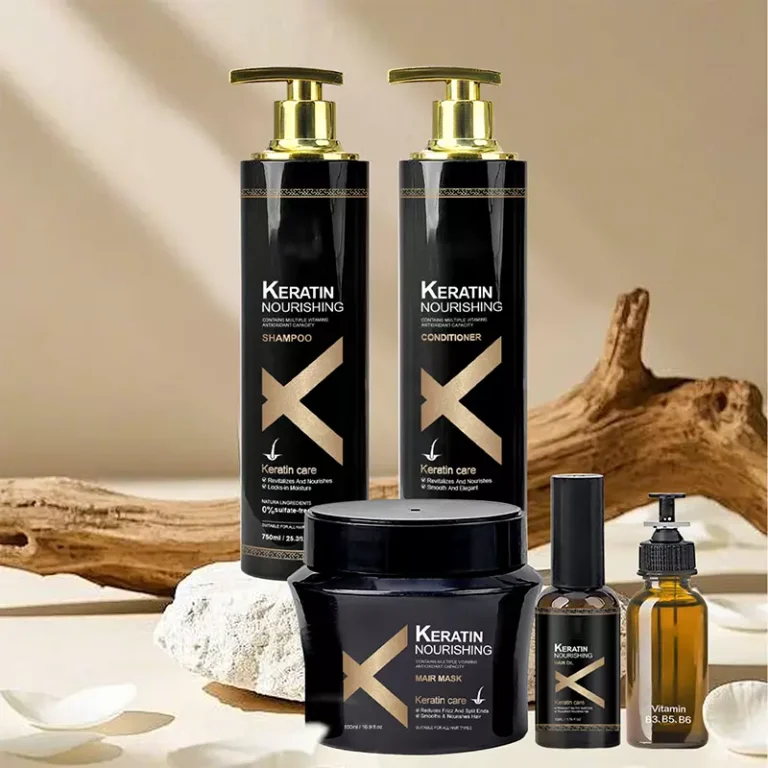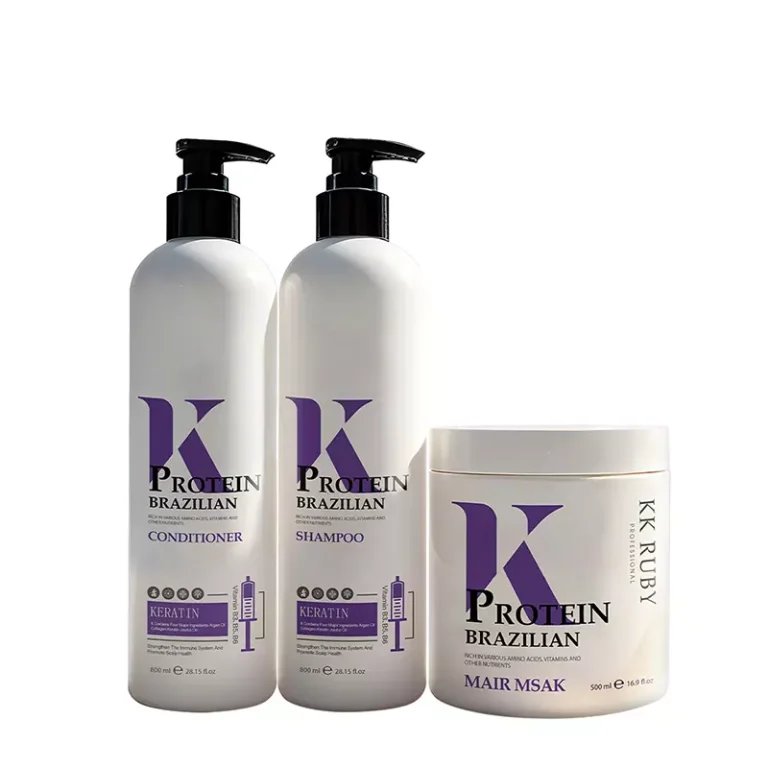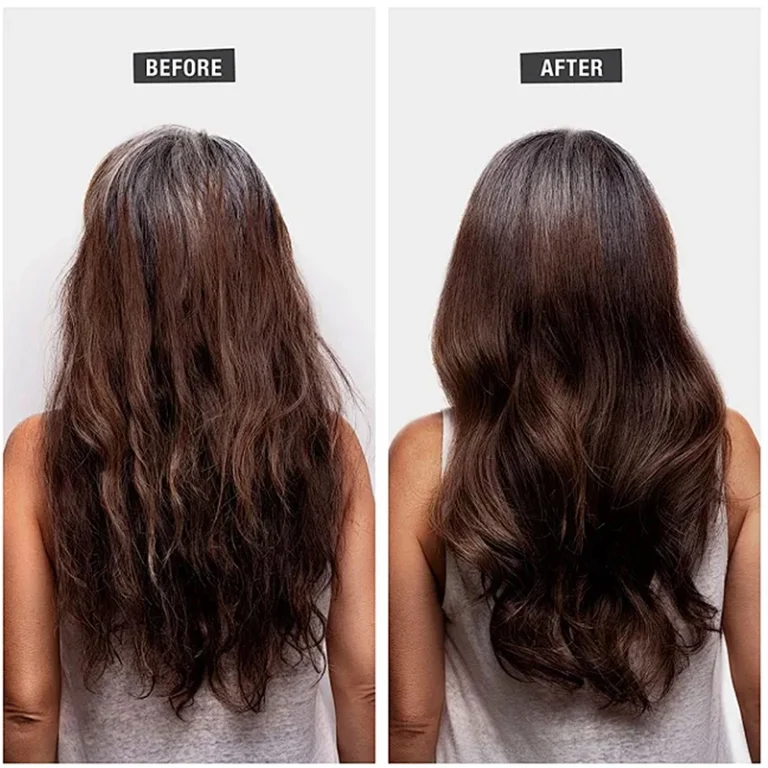
In today’s competitive beauty landscape, organic hair care has emerged as a non-negotiable trend for brands aiming to capture eco-conscious consumers. An organic hair care manufacturer isn’t just a supplier—it’s a strategic partner that can make or break your product’s credibility, quality, and market performance. This in-depth guide will equip you with the knowledge to select a manufacturer that aligns with your brand’s values, delivers exceptional products, and helps you stand out in the $15 billion global organic hair care market.
The Organic Hair Care Revolution: Why Manufacturers Matter More Than Ever
The shift toward organic hair care isn’t a passing fad—it’s a cultural movement driven by consumer demand for transparency, sustainability, and health-focused products. This section explores the market dynamics that make choosing the right organic hair care manufacturer critical for long-term success.
1.1 The Global Organic Hair Care Market: Growth Drivers and Opportunities
The organic hair care market is projected to grow at a CAGR of 8.2% through 2030, fueled by factors like rising awareness of synthetic chemical risks, the clean beauty movement, and demand for cruelty-free products. We’ll break down key market segments (e.g., shampoos, conditioners, treatments) and how manufacturers are adapting to meet niche consumer needs (e.g., curly hair, color-treated hair).
1.2 The Cost of Choosing the Wrong Manufacturer: Risks and Consequences
Partnering with an inexperienced or non-compliant organic hair care manufacturer can lead to product recalls, brand reputation damage, and lost revenue. We’ll share real-world examples of brands that faced setbacks due to poor manufacturing choices and outline how to avoid these pitfalls.
Key Criteria for Selecting an Organic Hair Care Manufacturer
Not all organic hair care manufacturers are created equal. This section outlines the non-negotiable factors to evaluate when vetting potential partners, from certifications to formulation expertise.
2.1 Certifications: The Foundation of Organic Credibility
Certifications like USDA Organic, Ecocert, and COSMOS aren’t just badges—they’re proof of a manufacturer’s commitment to organic standards. We’ll explain the differences between certifications, how to verify their authenticity, and why third-party audits are critical for maintaining consumer trust.
2.2 Formulation Capabilities: Balancing Organic Integrity and Product Performance
Organic hair care products must deliver results without compromising on natural ingredients. We’ll dive into how top manufacturers use advanced techniques (e.g., cold-pressed extraction, fermentation) to create effective formulations, and how to assess a manufacturer’s R&D team for innovation and problem-solving.
The Organic Manufacturing Process: From Ingredient Sourcing to Packaging
Understanding the end-to-end manufacturing process is essential for ensuring product quality and consistency. This section takes you behind the scenes of organic hair care production.
3.1 Ingredient Sourcing: Traceability and Sustainability
The best organic hair care manufacturers prioritize ethical sourcing—from fair-trade plant extracts to biodegradable raw materials. We’ll discuss how to audit a manufacturer’s supply chain, verify ingredient origins, and align with your brand’s sustainability goals (e.g., zero-waste packaging, carbon-neutral production).
3.2 Production and Quality Control: Ensuring Consistency and Safety
Organic hair care production requires strict quality control to avoid contamination and maintain organic integrity. We’ll outline the key quality control steps (e.g., microbial testing, batch traceability) and how to ensure your manufacturer adheres to GMP (Good Manufacturing Practices) standards.
Custom Formulation: Collaborating with Your Manufacturer for Unique Products
Custom formulations are a powerful way to differentiate your brand in a crowded market. This section guides you through the collaborative process of creating a one-of-a-kind organic hair care product.
4.1 Defining Your Product Vision: Aligning with Consumer Needs
Before approaching a manufacturer, you need a clear product vision—from target audience (e.g., millennial eco-parents, professional stylists) to core benefits (e.g., color protection, scalp health). We’ll share frameworks for defining your product’s unique selling proposition (USP) and communicating it to your manufacturer.
4.2 The Formulation Journey: From Concept to Sample
Collaborating with a manufacturer on a custom organic hair care product involves multiple stages: initial consultation, ingredient selection, prototype development, and testing. We’ll walk you through each step, including how to provide feedback, adjust formulations, and ensure the final product meets your brand’s standards.
Compliance and Regulatory Considerations for Organic Hair Care
Organic hair care products are subject to strict regulations that vary by region (e.g., FDA in the U.S., EU Cosmetics Regulation). This section helps you navigate the regulatory landscape to avoid costly mistakes.
5.1 Labeling Requirements: Transparency and Truth in Advertising
Organic hair care labels must be accurate and compliant with regional laws. We’ll explain how to properly label your products (e.g., “100% Organic” vs. “Made with Organic Ingredients”) and avoid greenwashing claims that can lead to fines or consumer backlash.
5.2 Safety Testing: Ensuring Your Product is Safe for Consumers
Organic hair care products still require safety testing to ensure they’re free from harmful contaminants and safe for use. We’ll discuss the types of testing your manufacturer should conduct (e.g., patch tests, stability tests) and how to interpret test results.
Marketing Your Organic Hair Care Products: Leveraging Your Manufacturer’s Expertise
Your organic hair care manufacturer can be a valuable partner in marketing your products. This section explores how to collaborate with your manufacturer to create compelling marketing content and build brand credibility.
6.1 Storytelling: Highlighting Your Manufacturer’s Organic Credentials
Consumers want to know the “why” behind your products. We’ll show you how to tell the story of your manufacturer’s organic practices (e.g., sustainable sourcing, ethical production) to build trust and connect with eco-conscious buyers.
6.2 Digital Marketing Strategies: Driving Traffic and Sales
From SEO to social media, we’ll outline how to use your manufacturer’s expertise (e.g., ingredient knowledge, product testing data) to create content that resonates with your target audience. We’ll also discuss how to leverage influencer partnerships and user-generated content to amplify your brand’s reach.
Case Studies: Successful Brands and Their Organic Manufacturing Partners
Learning from other brands’ experiences can help you make informed decisions. This section features case studies of brands that have built successful organic hair care lines through strategic partnerships with manufacturers.
7.1 Brand C: A Clean Beauty Startup That Scaled with a Niche Manufacturer
Brand C started as a small Etsy shop and grew to a $5M brand by partnering with a specialized organic hair care manufacturer. We’ll explore how they aligned on values, navigated scaling challenges, and used the manufacturer’s expertise to create award-winning products.
7.2 Brand D: A Salon Brand That Transitioned to Organic with a Trusted Partner
Brand D, a legacy salon brand, transitioned to organic hair care by partnering with a manufacturer that specialized in salon-grade organic formulations. We’ll discuss how they overcame skepticism from stylists, rebranded their products, and maintained their professional reputation.
CTA: Take the Next Step with a Trusted Organic Hair Care Manufacturer
Ready to launch or expand your organic hair care line? Partnering with the right manufacturer is the first step toward success. Our team of organic hair care experts has decades of experience helping brands create high-quality, compliant products that resonate with consumers. Contact us today to learn how we can support your brand’s growth.
CTA 1: Ready to partner with a trusted organic hair care manufacturer? Contact us today to schedule a free consultation.
CTA 2: Download our free guide, “The Organic Hair Care Manufacturer Checklist,” to ensure you choose the right partner for your brand.
CTA 3: Follow us on Instagram @theshampoofactory for behind-the-scenes looks at organic manufacturing and product tips.
CTA 4: Have questions about organic hair care manufacturing? Reach out to our team via WhatsApp at +86 134 8026 8601 for personalized advice.
CTA 5: Browse our portfolio of organic hair care products to see how we’ve helped brands like yours succeed.
Conclusion
Choosing the right organic hair care manufacturer is a critical decision that impacts every aspect of your brand—from product quality to consumer trust. By prioritizing certifications, formulation expertise, and alignment with your brand’s values, you can build a successful organic hair care line that stands out in the market. Remember, your manufacturer is more than a supplier—they’re a partner in your brand’s growth. With the right collaboration, you can create products that not only meet consumer demands but also drive long-term success.
Final CTA: Ready to start your organic hair care journey? Contact us today to learn how we can help you bring your vision to life.
WhatsApp CTA: For immediate assistance, message us on WhatsApp at +1234567890. Our team is ready to answer your questions and support your brand’s organic hair care goals.
Disclaimer: This guide is for informational purposes only and should not be considered legal or professional advice. Always consult with a qualified manufacturer and regulatory expert before launching organic hair care products.
About The Shampoo Factory: The Shampoo Factory is a leading organic hair care manufacturer with over 15 years of experience creating high-quality, compliant products for brands worldwide. We specialize in custom formulations, sustainable sourcing, and transparent manufacturing practices. Contact us today to learn how we can help you build a successful organic hair care brand.