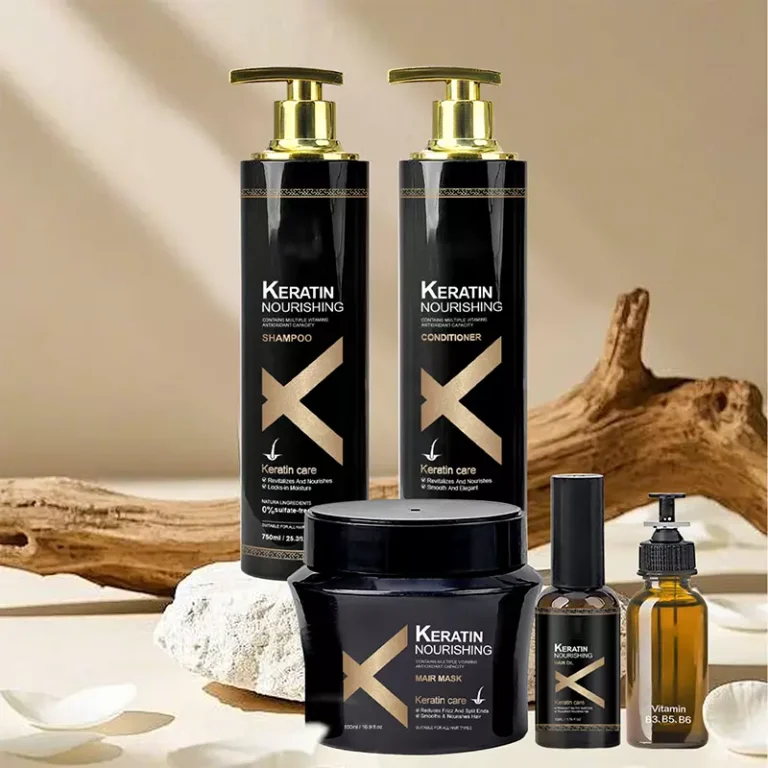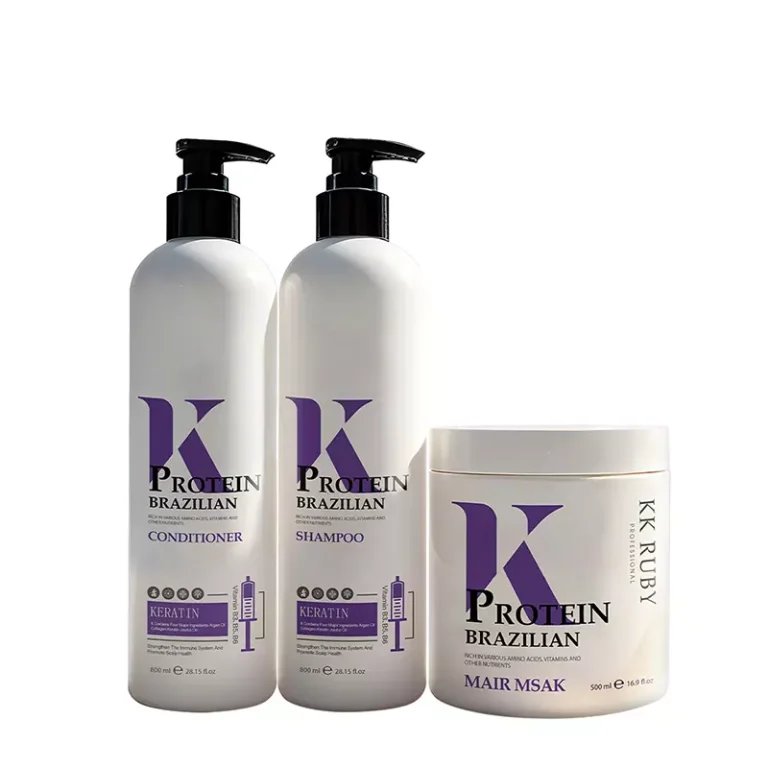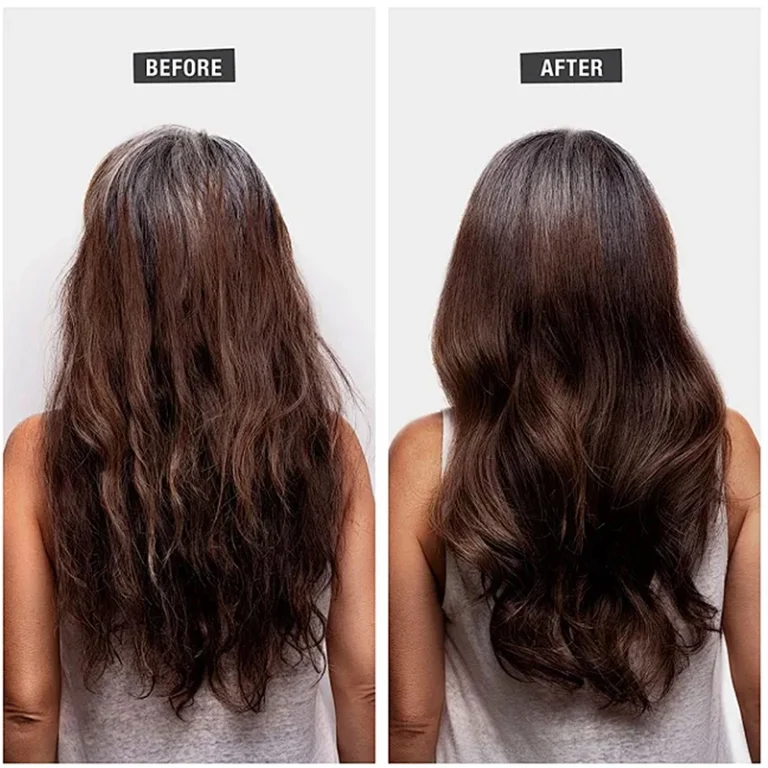
Starting a shampoo brand is an exciting entrepreneurial journey that combines creativity, science, and business acumen. With the global hair care market projected to reach $102 billion by 2024, there’s never been a better time to enter this thriving industry. Whether you’re passionate about natural ingredients, sustainable packaging, or solving specific hair concerns, this comprehensive guide will walk you through every step of launching your own successful shampoo brand.
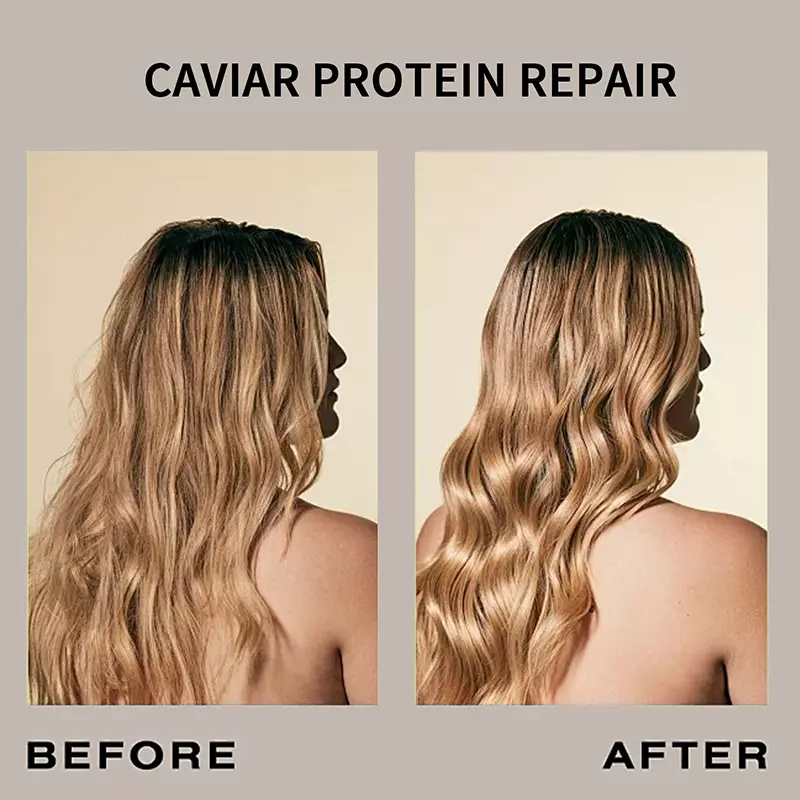
Market Research: Lay the Foundation for Your Shampoo Brand
Before diving into product development, it’s crucial to understand your target market, competitors, and industry trends. This research will help you identify gaps in the market and position your brand for success.
1.1 Identify Your Target Audience
Who are you creating your shampoo for? Are you targeting curly hair types, color-treated hair, or consumers seeking organic products? Conduct surveys, focus groups, and social media listening to understand your audience’s pain points, preferences, and purchasing habits. For example, if you’re targeting millennial women, you might find that they prioritize clean ingredients and eco-friendly packaging.
1.2 Analyze Competitors
Study both direct and indirect competitors to identify their strengths and weaknesses. Look at their product offerings, pricing strategies, marketing tactics, and customer reviews. This analysis will help you differentiate your brand. For instance, if most competitors use synthetic fragrances, you could position your brand as “fragrance-free” to appeal to sensitive skin consumers.
1.3 Stay Updated on Industry Trends
The hair care industry is constantly evolving. Stay informed about the latest trends, such as the rise of scalp care, personalized hair care, and sustainable practices. For example, the demand for sulfate-free shampoos has grown by 30% in the past two years, presenting an opportunity for brands that prioritize gentle formulas.
Brand Identity: Define Your Unique Selling Proposition (USP)
Your brand identity is what sets you apart from competitors. It includes your brand name, logo, packaging, and messaging. A strong brand identity will help you connect with your target audience and build brand loyalty.
2.1 Choose a Memorable Brand Name
Your brand name should be easy to remember, pronounce, and spell. It should also reflect your brand’s values and target audience. For example, “Root & Ritual” suggests a natural, holistic approach to hair care, while “Bold & Blonde” targets color-treated hair consumers.
2.2 Design a Compelling Logo and Packaging
Your logo and packaging are the first things customers see, so they need to be visually appealing and on-brand. Consider working with a professional designer to create a logo that reflects your brand’s personality. For packaging, prioritize sustainability by using recycled materials or refillable containers.
2.3 Craft Your Brand Story
Consumers connect with brands that have a story. Share your brand’s mission, values, and origin story to build an emotional connection with your audience. For example, if you started your brand after struggling with dry hair, share that personal journey to resonate with customers facing similar issues.
Product Development: Create a High-Quality Shampoo Formula
The quality of your shampoo is the foundation of your brand. Work with a chemist or contract manufacturer to develop a formula that meets your target audience’s needs and complies with regulatory standards.
3.1 Choose the Right Ingredients
Select ingredients based on your target audience’s needs. For example, if you’re targeting dry hair, include moisturizing ingredients like shea butter or argan oil. If you’re focusing on scalp health, consider tea tree oil or salicylic acid. Be transparent about your ingredients to build trust with consumers.
3.2 Test Your Formula
Before launching, test your formula for safety, efficacy, and stability. Conduct patch tests to ensure it’s gentle on the skin and hair. You can also send samples to a third-party lab for testing. For example, test your shampoo for pH balance to ensure it’s suitable for all hair types.
3.3 Consider Sustainable Practices
Consumers are increasingly concerned about the environmental impact of their purchases. Consider using sustainable ingredients, eco-friendly packaging, and carbon-neutral shipping. For example, use biodegradable bottles or partner with a carbon offset program to reduce your brand’s carbon footprint.
Legal and Regulatory Compliance: Protect Your Brand
Starting a shampoo brand requires compliance with various legal and regulatory requirements. Failing to comply can result in fines, product recalls, or damage to your brand’s reputation.
4.1 Register Your Business
Choose a business structure (e.g., LLC, sole proprietorship) and register your business with the appropriate government agencies. This will protect your personal assets and ensure you’re operating legally.
4.2 Obtain Necessary Licenses and Permits
Depending on your location, you may need licenses or permits to manufacture and sell hair care products. For example, in the United States, you’ll need to register with the FDA and comply with the Fair Packaging and Labeling Act (FPLA).
4.3 Ensure Product Safety and Labeling Compliance
Your shampoo labels must include accurate ingredient lists, usage instructions, and warning statements. Work with a regulatory consultant to ensure your labels comply with local and international regulations. For example, in the European Union, you’ll need to comply with the Cosmetics Regulation (EC) No 1223/2009.
Manufacturing and Supply Chain: Bring Your Product to Life
Once your formula is finalized, you’ll need to find a reliable manufacturer to produce your shampoo. Consider factors like cost, quality quality, and lead times when choosing a manufacturer.
5.1 Choose Between In-House and Contract Manufacturing
If you have the resources, you can manufacture your shampoo in-house. However, most new brands opt for contract manufacturing, which allows you to leverage the manufacturer’s expertise and equipment. Research potential manufacturers and request samples to ensure they meet your quality standards.
5.2 Establish a Supply Chain
Source ingredients, packaging materials, and other supplies from reliable suppliers. Consider working with local suppliers to reduce shipping costs and support the local economy. For example, if you’re using organic ingredients, partner partner with organic farms to ensure a consistent supply.
5.3 Quality Control
Implement a quality control process to ensure every batch of shampoo meets your standards. This includes testing raw materials, monitoring the manufacturing process, and inspecting finished products. For example, conduct regular microbial testing to ensure your shampoo is free from harmful bacteria.
Marketing and Sales: Build Awareness and Drive Sales
A great product is only successful if people know about it. Develop a marketing strategy to build brand awareness, attract customers, and drive sales.
6.1 Build a Strong Online Presence
Create a professional website that showcases your products, brand brand story, and values. Optimize your website for search engines (SEO) to attract organic traffic. For example, use keywords like “how to start a shampoo brand” and “organic shampoo for curly hair” to rank higher in search results.
6.2 Leverage Social Media
Use social media platforms like Instagram, TikTok, and Pinterest to connect with your target audience. Share product demos, customer testimonials, and educational content. For example, create a TikTok series showing how to use your shampoo for different hair types.
6.3 Partner with Influencers
Collaborate with influencers in the beauty and hair care space to promote your brand. Choose influencers whose values align with your brand and who have an engaged audience. For example, partner with a curly hair influencer to review your shampoo for curly hair.
Customer Service: Build Loyalty and Trust
Great customer service is essentialessential for building brand loyalty and repeat business. Respond to customer inquiries promptly, address complaints professionally, and go above and beyond to exceed customer expectations.
7.1 Offer Multiple Contact Channels
Provide customers with multiple ways to contact you, such as email, phone, and social media. Ensure your customer service team is trained to handle inquiries and resolve issues efficiently.
7.2 Collect and Act on Feedback
Encourage customers to leave reviews and provide feedback. Use this feedback to improve your products and services. For example, if customers complain about the scent of your shampoo, consider reformulating it with a more popular fragrance.
7.3 Create a Loyalty Program
Reward repeat customers with a loyalty program. Offer discounts, free products, or exclusive access to new products. For example, a points-based program where customers earn points for every purchase can encourage repeat business.
Scaling Your Business: Grow and Expand
Once your brand is established, you can start scaling your business. This may include expanding your product line, entering new markets, or increasing production.
8.1 Expand Your Product Line
Introduce new products that complement your shampoo, such as conditioners, hair masks, or styling products. This can increase customer lifetime value and attract new customers.
8.2 Enter New Markets
Consider selling your products in new markets, such as international markets or brick-and-mortar stores. Research local regulations and consumer preferences before expanding.
8.3 Invest in Marketing and Advertising
As your business grows, invest in more aggressive marketing and advertising strategies. This may include paid social media ads, Google Ads, or influencer marketing campaigns. For example, run a Google Ads campaign targeting the keyword “how to start a shampoo brand” to drive traffic to your website.
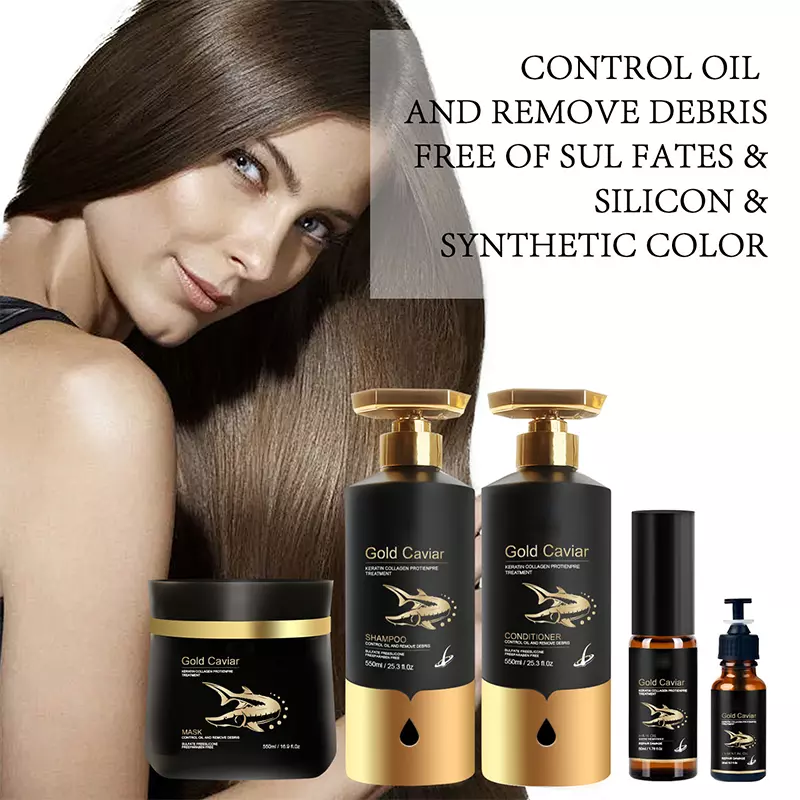
CTA: Take the Next Step to Launch Your Shampoo Brand
Are you ready to turn your dream of starting a shampoo brand into a reality? Contact us today to learn how we can help you with product development, manufacturing, and marketing. Our team of experts has years of experience in the hair care industry and can guide you through every step of the process.
WhatsApp us now at +86 134 8026 8601 to schedule a free consultation!
CTA: Get Your Free Shampoo Brand Starter Kit
Download our free Shampoo Brand Starter Kit to get access to templates, checklists, and resources to help you launch your brand. This kit includes a business plan template, ingredient list, and marketing strategy guide.
Click here to download your free kit now!
CTA: Join Our Community of Shampoo Brand Owners
Connect with other aspiring and established shampoo brand owners in our exclusive community. Share tips, ask questions, and get support from like-minded entrepreneurs.
Join our community today!
CTA: Schedule a 1-on-1 Strategy Session
Not sure where to start? Schedule a 1-on-1 strategy session with one of our experts. We’ll help you develop a customized plan to launch and grow your shampoo brand.
Book your session now!
CTA: Try Our Sample Shampoo
Experience the quality of our shampoo for yourself. Order a sample today and see the difference our formula can make for your hair.
Order your sample now!
Starting a shampoo brand is a challenging but rewarding journey. By following these steps and staying focused on your goals, you can build a successful brand that stands out in the competitive hair care market. Remember to stay true to your brand’s values, listen to your customers, and adapt to industry trends. With hard work and dedication, you can turn your passion for hair care into a profitable business.
If you need help with any step of the process, don’t hesitate to reach out to our team. We’re here to support you every step of the way.
WhatsApp us at +86 134 8026 8601 to get started today!