How to Start a Shampoo Brand: A Complete Guide for 2024
Understanding the Shampoo Market Landscape
Current Market Trends and Consumer Demand
The global shampoo market is valued at over $50 billion and is projected to grow at a CAGR of 4.5% through 2030. Key trends driving growth include: natural and organic formulations (67% of consumers prefer clean beauty products), personalized hair care solutions, and sustainability (recyclable packaging, zero-waste products). Niche segments like anti-hair loss, color-protecting, and scalp-care shampoos are also gaining traction, with millennial and Gen Z consumers willing to pay premium prices for targeted solutions.
Identifying Your Target Audience
Before launching your shampoo brand, you need to define your target audience. Common segments include:
Eco-conscious consumers: Prioritize natural ingredients and sustainable packaging
Hair problem sufferers: Those with dry scalp, dandruff, or hair loss
Salon professionals: High-end formulations for professional use
Ethnic hair care: Products tailored to curly, coily, or textured hair
Budget shoppers: Affordable, mass-market options
Conduct market research (surveys, focus groups) to understand your audience’s pain points and preferences—this will guide your product development and marketing strategy.
Developing Your Shampoo Brand Identity
Brand Name and Logo Design
Your brand name should be memorable, easy to pronounce, and reflect your brand’s values. For example:
“GreenLuxe Hair” for an eco-friendly brand
“ScalpSaver” for a scalp-care focused line
“CurlCraft” for curly hair products
Work with a graphic designer to create a logo that aligns with your brand’s aesthetic (minimalist, vibrant, or luxurious). Ensure it’s scalable for packaging, social media, and website use.
Brand Story and Unique Selling Proposition (USP)
Consumers connect with brands that have a compelling story. Your USP should answer: “Why should customers choose your shampoo over competitors?” Examples of strong USPs:
“100% plastic-free packaging and carbon-neutral production”
“Clinically proven to reduce hair loss by 30% in 8 weeks”
“Customizable formulations based on individual hair type”
Craft a brand story that highlights your mission (e.g., “We started GreenLuxe to make sustainable hair care accessible to everyone”)—this builds trust and loyalty.
Formulating Your Shampoo Product
Key Ingredients to Include (and Avoid)
Essential ingredients for effective shampoos:
Surfactants (gentle ones like cocamidopropyl betaine for cleansing)
Conditioners (cetyl alcohol, panthenol for hydration)
Active ingredients (niacinamide for scalp health, biotin for hair growth)
Natural extracts (aloe vera, tea tree oil for soothing)
Ingredients to avoid:
Sulfates (SLES/SLS, which strip hair of natural oils)
Parabens (preservatives linked to hormone disruption)
Silicones (can cause buildup over time)
Artificial fragrances (may irritate sensitive scalps)
Working with a Formulator or OEM Manufacturer
Unless you have a background in cosmetic chemistry, partner with a professional formulator or OEM (Original Equipment Manufacturing) company. Look for manufacturers that:
Have experience in hair care products
Offer custom formulation services
Adhere to GMP (Good Manufacturing Practices) standards
Provide samples for testing
The Shampoo Factory, for example, offers end-to-end formulation and production services—from concept to packaging.
Navigating Regulatory Compliance
FDA and International Regulations
In the U.S., the FDA regulates cosmetics under the Federal Food, Drug, and Cosmetic Act. Key requirements include:
Listing all ingredients on the label (in descending order of concentration)
Ensuring products are safe for use (no harmful ingredients)
Avoiding false or misleading claims (e.g., “cures dandruff” requires clinical proof)
For international markets, comply with EU Cosmetics Regulation (EC 1223/2009) and other regional standards (e.g., Japan’s PMDA, Australia’s TGA).
Labeling Requirements
Your shampoo label must include:
Product name and brand
Ingredient list (INCI names)
Net weight
Manufacturing date and expiration date
Usage instructions
Warning statements (e.g., “For external use only”)
Contact information of the manufacturer
Work with a regulatory consultant to ensure your labels meet all legal requirements.
Packaging and Design
Choosing Sustainable Packaging Options
Sustainable packaging is no longer a trend—it’s a necessity. Options include:
Recyclable plastic (PET, HDPE)
Glass bottles (reusable and recyclable)
Aluminum containers (100% recyclable)
Compostable packaging (made from plant-based materials)
Consider refillable options (e.g., bulk containers with refill pouches) to reduce waste and appeal to eco-conscious consumers.
Designing Eye-Catching Labels
Your label design should:
Reflect your brand identity (colors, fonts, imagery)
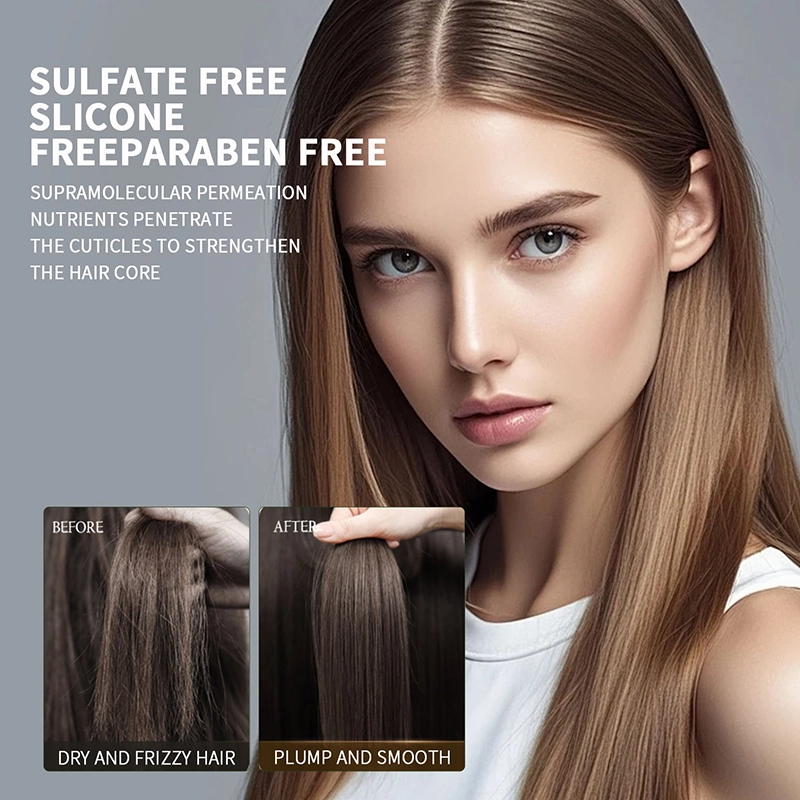
Highlight key benefits (e.g., “Sulfate-Free”, “Vegan”)
Be easy to read (avoid cluttered text)
Stand out on store shelves (use bold colors or unique shapes)
Test your label design with your target audience to ensure it resonates.
Pricing Your Shampoo Products
Cost Calculation (COGS)
Calculate your Cost of Goods Sold (COGS) to determine your pricing. Include:
Raw materials (ingredients, packaging)
Manufacturing costs (labor, equipment)
Shipping and logistics
Overhead (rent, utilities, marketing)
For example, if your COGS per bottle is $2, you might price it at $10 (a 400% markup) to cover expenses and generate profit.
Competitive Pricing Strategy
Research your competitors’ pricing to position your brand:
Premium: Higher price point (e.g., $15-$25 per bottle) for luxury or niche products
Mid-range: $8-$15 per bottle for quality products with broad appeal
Budget: $5-$8 per bottle for mass-market options
Consider offering bundle deals (e.g., shampoo + conditioner) or subscription services to increase customer loyalty.
Marketing and Branding Your Shampoo Brand
Building a Strong Online Presence
Your website is your brand’s digital storefront. Ensure it:
Is mobile-friendly and easy to navigate
Includes product details, ingredients, and customer reviews
Has a blog with valuable content (e.g., “How to Choose the Right Shampoo for Your Hair Type”)
Integrates e-commerce functionality (Shopify, WooCommerce)
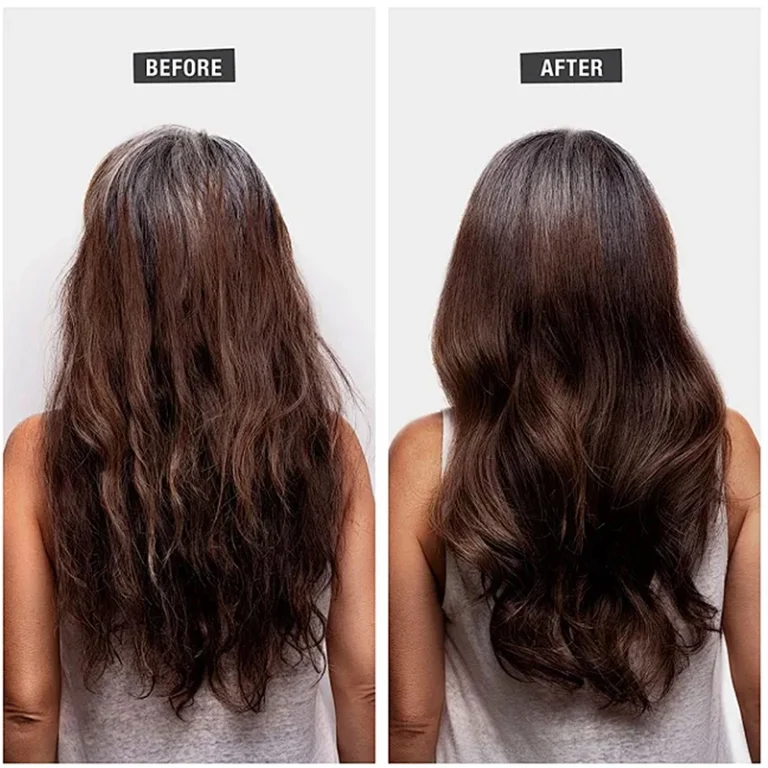
Use social media (Instagram, TikTok, Pinterest) to showcase your products—post before-and-after photos, user testimonials, and behind-the-scenes content.
Influencer and Affiliate Marketing
Partner with micro-influencers (10k-100k followers) in the beauty and hair care niche. They have higher engagement rates than macro-influencers and can authentically promote your brand. Offer affiliate programs (commission for each sale) to incentivize influencers and bloggers to share your products.
Sales Channels for Your Shampoo Brand
E-Commerce Platforms
Sell your products on:
Your own website (highest profit margin)
Amazon (large customer base, but higher fees)
Etsy (for handmade or niche products)
Social media platforms (Instagram Shopping, Facebook Marketplace)
Optimize your product listings with high-quality photos, detailed descriptions, and keywords (e.g., “sulfate-free shampoo for curly hair”).
Retail Partnerships
Approach local beauty stores, salons, and boutiques to stock your products. Offer wholesale discounts and marketing support (e.g., in-store displays) to encourage partnerships. For larger retailers (e.g., Sephora, Ulta), you’ll need a strong brand presence and proven sales track record.
Scaling Your Shampoo Brand
Customer Feedback and Product Iteration
Collect feedback from customers through surveys, reviews, and social media. Use this feedback to improve your products (e.g., adjust the scent, add a new ingredient) or launch new variants (e.g., a travel-sized version).
Expanding Your Product Line
Once your core shampoo product is successful, expand your line to include:
Conditioners
Hair masks
Scalp scrubs
Styling products
This increases customer lifetime value and positions your brand as a one-stop shop for hair care.
Case Studies: Successful Shampoo Brands
Case Study 1: A Sustainable Shampoo Brand
“EcoHair” launched in 2020 with a focus on zero-waste packaging and natural ingredients. They used Instagram to share their sustainability mission and partnered with eco-influencers. Within two years, they had 50k customers and expanded to 100+ retail stores.
Case Study 2: A Niche Scalp-Care Brand
“ScalpHealth” targeted consumers with dandruff and scalp sensitivity. They used clinical trials to prove their product’s effectiveness and leveraged TikTok to share educational content. Their sales grew by 200% in the first year.
Conclusion
Starting a shampoo brand requires careful planning, from product formulation to marketing. By understanding your target audience, developing a strong brand identity, and complying with regulations, you can build a successful business. Remember to prioritize quality, sustainability, and customer feedback—these are the keys to long-term success.
Ready to Launch Your Shampoo Brand?
If you’re ready to turn your shampoo brand idea into reality, contact us today. Our team of experts will guide you through every step—from formulation to production.
Have Questions About Starting a Shampoo Brand?
If you have any questions about launching a shampoo brand, feel free to reach out. We’re here to help you navigate the process and achieve your goals.
Want to Learn More About Our Shampoo Manufacturing Services?
Visit our website to learn about our custom formulation, packaging, and production services. We offer tailored solutions to meet your brand’s unique needs.
Let’s Collaborate!
We’re always looking for new partners to work with. If you’re interested in collaborating, send us a message or give us a call.
Get in Touch Today!
Don’t wait to start your shampoo brand journey. Contact us now to schedule a consultation and take the first step toward success.
WhatsApp: +86 134 8026 8601