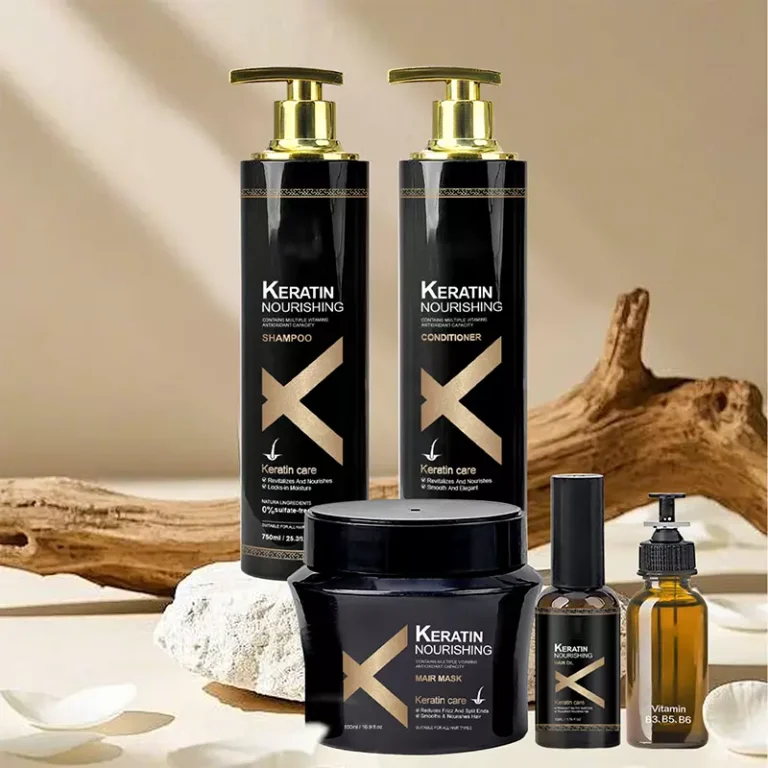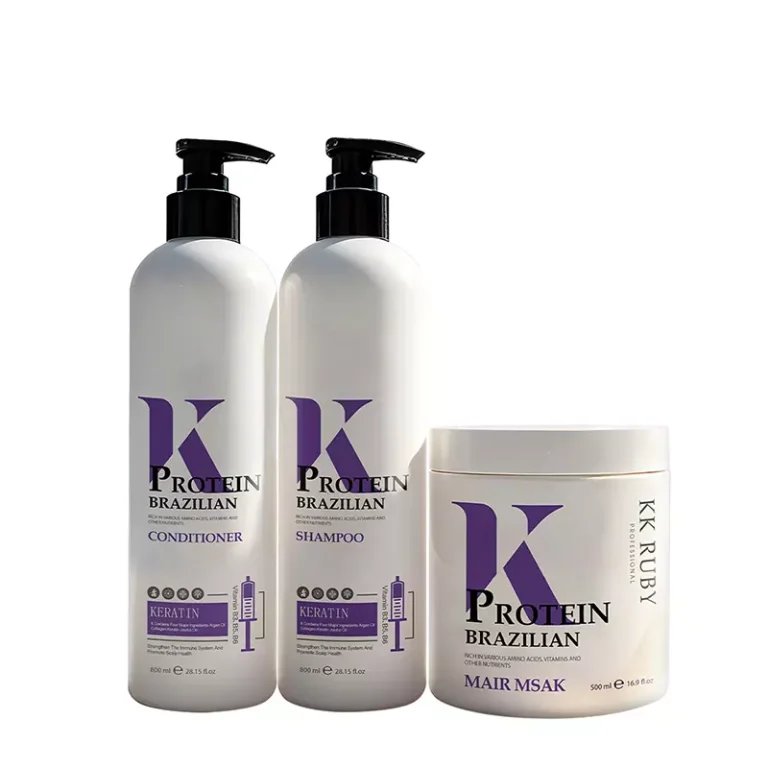
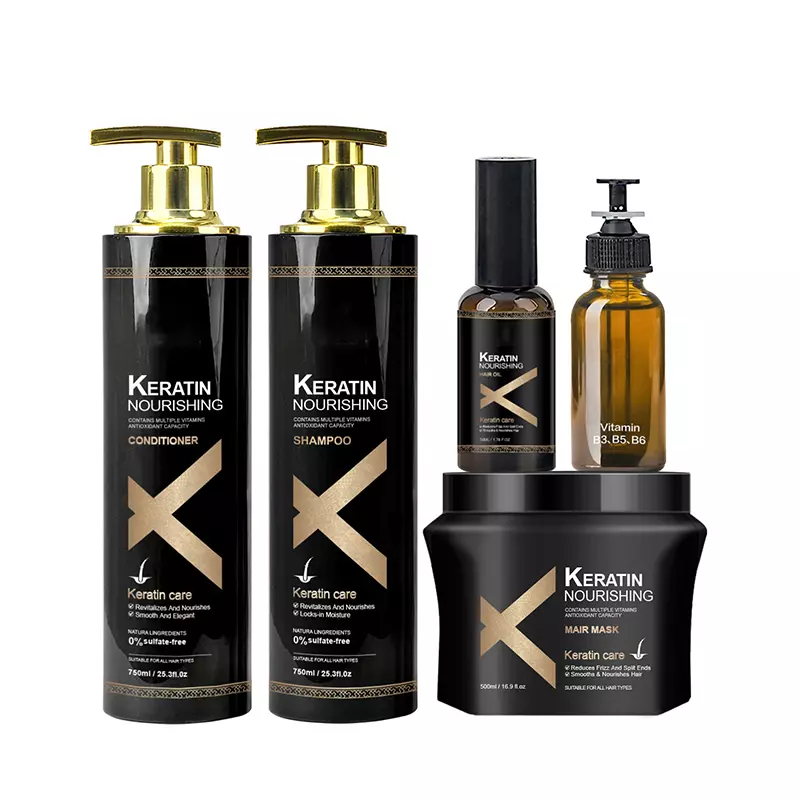
 A collection of organic keratin hair care products showcasing effective branding and packaging
Launching a hair care product is an exciting yet complex journey that requires careful planning, market research, and strategic execution. Whether you’re an entrepreneur with a unique formula or a brand looking to expand your product line, understanding the key steps to launch a hair care product is essential for long-term success. This comprehensive guide will walk you through every stage of the launch process, from product development to post-launch marketing, helping you navigate the competitive hair care industry and achieve your business goals.
Market Research and Product Validation
1.1 Identifying Target Audience and Market Gaps
Before launching a hair care product, it’s crucial to understand your target audience and identify unmet needs in the market. Conduct surveys, focus groups, and competitor analysis to gather insights into consumer preferences, pain points, and emerging trends. For example, if your research shows a growing demand for sulfate-free, vegan hair care products, you can tailor your product to fill this gap. We’ll discuss how to use tools like Google Trends and social media listening to validate your product idea.
1.2 Analyzing Competitors and Differentiating Your Product
Competitor analysis is key to positioning your product effectively. Study the strengths and weaknesses of existing hair care brands, including their pricing, packaging, and marketing strategies. Identify opportunities to differentiate your product—whether through unique ingredients, sustainable packaging, or a niche target audience. We’ll provide a framework for conducting a SWOT analysis (Strengths, Weaknesses, Opportunities, Threats) to refine your product’s unique selling proposition (USP).
Product Development and Formulation
2.1 Collaborating with Formulators and Chemists
Developing a high-quality hair care product requires expertise in chemistry and formulation. Partner with experienced formulators or chemists to create a product that is effective, safe, and compliant with industry standards. We’ll discuss how to communicate your product goals (e.g., anti-dandruff, volumizing, color-protecting) and work with professionals to select the right ingredients, test stability, and ensure regulatory compliance.
2.2 Testing and Refining Your Product
Before launching, your product must undergo rigorous testing to ensure safety, efficacy, and consumer satisfaction. This includes stability testing (to check shelf life), microbial testing (to prevent contamination), and consumer testing (to gather feedback on performance). We’ll explain how to conduct these tests and use the results to refine your formula, packaging, and marketing messaging.
Branding and Packaging Design
3.1 Creating a Strong Brand Identity
Your brand identity is the foundation of your product’s success. It includes your brand name, logo, color palette, and messaging—all of which should resonate with your target audience. For example, a brand targeting eco-conscious consumers might use earthy tones and sustainable packaging. We’ll discuss how to develop a brand story that connects with consumers and differentiates your product from competitors.
3.2 Designing Eye-Catching Packaging
Packaging plays a critical role in attracting consumers and communicating your brand’s values. It should be functional (e.g., easy to use, leak-proof) and visually appealing. Consider factors like material (glass vs. plastic), labeling (clear ingredient lists, certifications), and sustainability (recyclable or biodegradable materials). We’ll provide tips for working with designers to create packaging that stands out on store shelves and online.
Regulatory Compliance and Certification
4.1 Understanding Global Regulatory Requirements
Hair care products are subject to strict regulations in different regions, including the FDA (U.S.), EU Cosmetics Regulation, and Health Canada. These regulations cover ingredient safety, labeling, and testing. We’ll outline the key requirements for each region and how to ensure your product complies with local laws. This includes obtaining necessary certifications (e.g., organic, cruelty-free) to build consumer trust.
4.2 Labeling and Ingredient Transparency
Transparent labeling is essential for consumer trust and regulatory compliance. Your product label must include a list of ingredients (in descending order of concentration), usage instructions, warnings, and contact information. We’ll discuss how to create clear, compliant labels and leverage ingredient transparency as a marketing tool (e.g., highlighting natural or organic ingredients).
Manufacturing and Supply Chain Management
5.1 Choosing a Manufacturing Partner
Selecting the right manufacturing partner is critical for scaling your product. Consider factors like production capacity, quality control, lead times, and cost. Whether you choose a local or overseas manufacturer, it’s important to visit their facilities, review their certifications, and establish clear communication channels. We’ll provide a checklist for evaluating potential manufacturers and negotiating contracts.
5.2 Managing Inventory and Logistics
Effective inventory management ensures you have enough product to meet demand without overstocking. Use inventory management software to track stock levels, forecast demand, and optimize reorder points. We’ll also discuss logistics considerations, including shipping, warehousing, and distribution—whether you’re selling online, in retail stores, or both.
Pre-Launch Marketing Strategy
6.1 Building Hype with Teaser Campaigns
Pre-launch marketing is key to generating buzz and building anticipation for your product. Use social media, email marketing, and influencer partnerships to tease your product before it launches. For example, you can share behind-the-scenes content, product sneak peeks, or customer testimonials. We’ll discuss how to create a pre-launch timeline and measure the success of your campaigns.
6.2 Leveraging Influencer and Affiliate Marketing
Influencer marketing is a powerful way to reach your target audience and build credibility. Partner with micro-influencers (10k–100k followers) in the beauty and hair care niche to promote your product. Offer affiliate programs to incentivize influencers and customers to share your product with their networks. We’ll provide tips for identifying the right influencers and creating effective collaboration agreements.
Launching Your Product
7.1 Choosing the Right Launch Channel
Decide whether to launch your product online (e.g., your website, Amazon, social media) or in retail stores. Each channel has its advantages—online offers global reach and lower overhead, while retail provides in-person visibility and customer interaction. We’ll discuss how to choose the best channel for your product and create a launch plan that maximizes exposure.
7.2 Creating a Launch Day Strategy
Launch day is a critical moment for your product. Plan a launch event (virtual or in-person), offer exclusive discounts, and engage with customers on social media. Use live streams, Q&A sessions, and giveaways to generate excitement. We’ll outline a step-by-step launch day strategy to ensure a successful debut.
Post-Launch Marketing and Customer Retention
8.1 Monitoring Sales and Customer Feedback
After launch, track sales data and gather customer feedback to identify areas for improvement. Use tools like Google Analytics to monitor website traffic and conversion rates, and send post-purchase surveys to understand customer satisfaction. We’ll discuss how to use this data to refine your marketing strategy and product offerings.
8.2 Building a Loyal Customer Base
Customer retention is more cost-effective than acquiring new customers. Implement loyalty programs, personalized email marketing, and social media engagement to keep customers coming back. For example, offer discounts to repeat customers or create a community for product users to share tips and reviews. We’ll provide strategies for building long-term customer relationships.
Scaling Your Hair Care Brand
9.1 Expanding Your Product Line
Once your initial product is successful, consider expanding your line to include complementary products (e.g., conditioner, hair mask, styling products). This can increase customer lifetime value and strengthen your brand. We’ll discuss how to identify new product opportunities and manage the expansion process.
9.2 Entering New Markets
Expanding into new markets (e.g., international regions or retail chains) can grow your brand’s reach. Research local market trends, regulatory requirements, and distribution channels to ensure a smooth expansion. We’ll provide tips for entering new markets and adapting your product and marketing to local preferences.
Measuring Success and Adapting Your Strategy
10.1 Key Performance Indicators (KPIs) for Hair Care Products
Track KPIs like sales revenue, customer acquisition cost (CAC), customer lifetime value (CLV), and social media engagement to measure the success of your launch. We’ll outline the most important KPIs for hair care brands and how to use them to make data-driven decisions.
10.2 Adapting to Market Changes
The hair care industry is constantly evolving, with new trends and consumer preferences emerging regularly. Stay updated on industry news, competitor activities, and customer feedback to adapt your product and marketing strategy. We’ll discuss how to stay agile and pivot when necessary to maintain a competitive edge.
Conclusion
Launching a hair care product is a multifaceted process that requires careful planning, attention to detail, and a customer-centric approach. By following the steps outlined in this guide, you’ll be able to navigate the challenges of product development, regulatory compliance, and marketing to launch a successful hair care product. Remember to stay focused on your target audience, differentiate your product, and adapt to market changes to achieve long-term success.
Call to Action 1
Ready to launch your hair care product? Our team of experts can help you with formulation, branding, and marketing. Contact us today for a free consultation. Click here to learn more
Call to Action 2
Join our community of hair care entrepreneurs! Sign up for our newsletter to receive exclusive tips, industry updates, and special offers. Subscribe now
Call to Action 3
Looking for high-quality manufacturing partners? We connect brands with trusted manufacturers in the hair care industry. Find a partner
Call to Action 4
Have questions about launching a hair care product? Send us a message via WhatsApp at +1234567890 for personalized advice. Message us now
Call to Action 5
Ready to take your hair care brand to the next level? Book a one-on-one strategy session with our launch experts. Book now