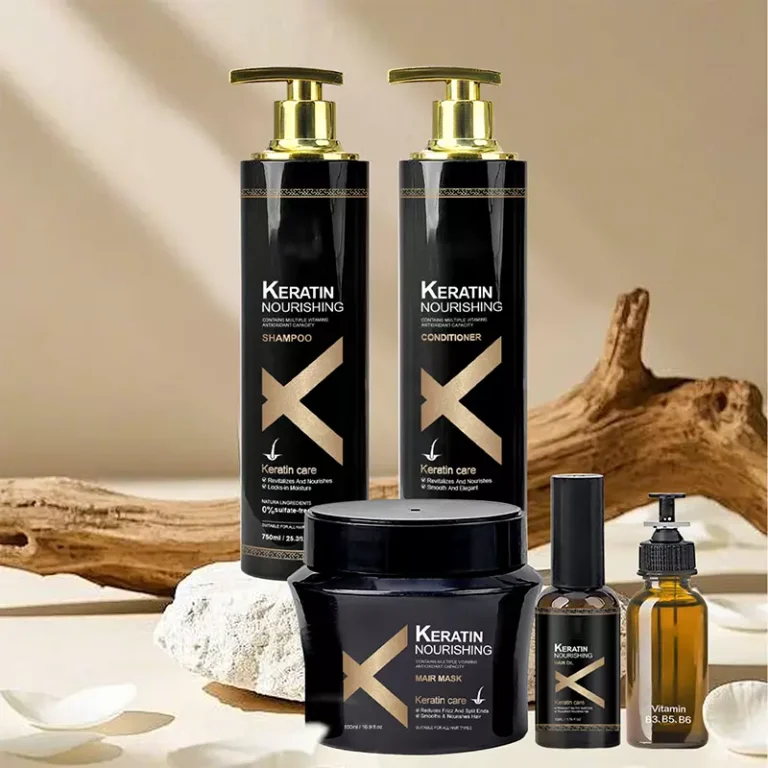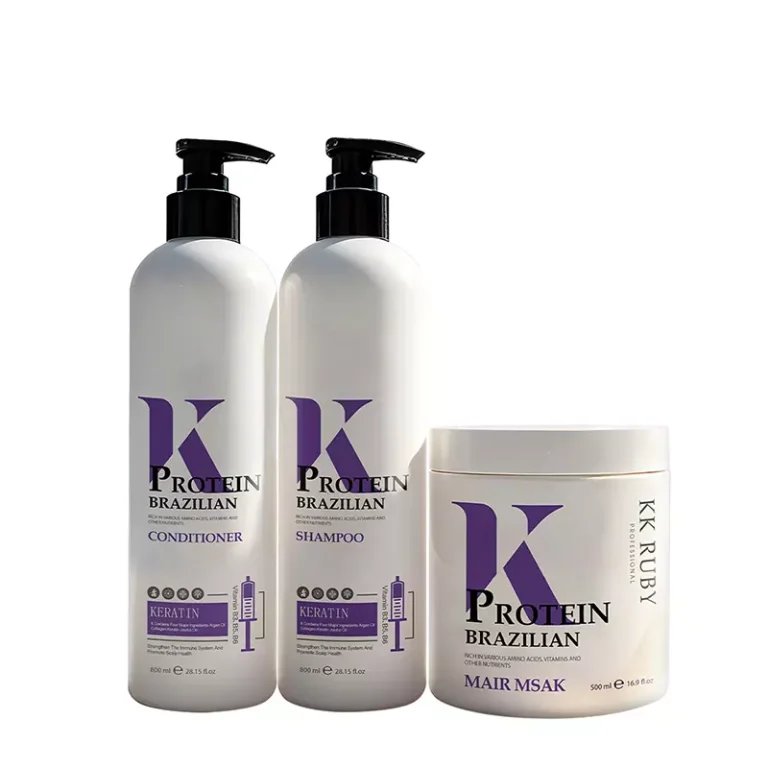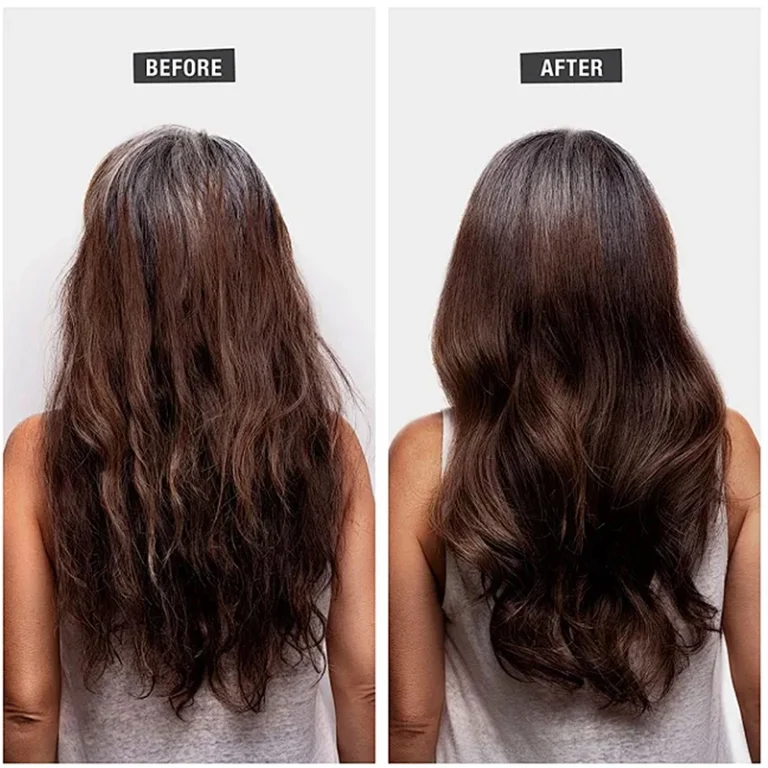
Hong Kong’s shampoo market is currently experiencing an era of growing consumer demand for natural and organic products, simultaneously influenced by social media and beauty influencers. As the dominant product type in this market, shampoo demonstrates sustained market vitality.
Hong Kong’s shampoo factories are not merely production bases; they are crucial hubs connecting global trends with regional markets. Relying on stringent international standards, flexible business models, and deep research and development capabilities, they have solidified their position within Hong Kong’s highly competitive market while extending their influence across the entire Asia-Pacific region and globally.
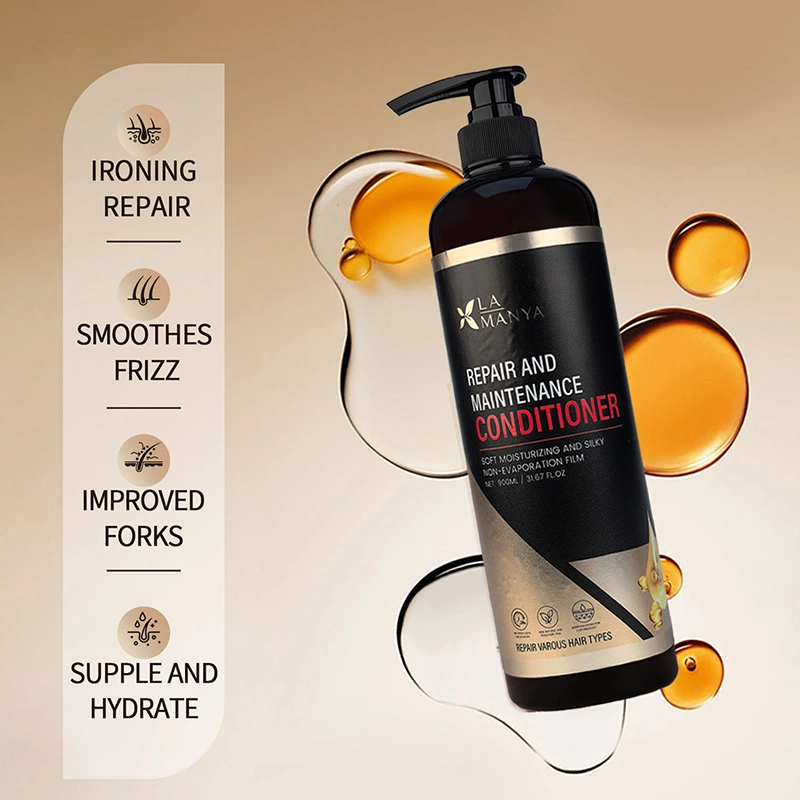
01 Industry Cornerstone
The historical evolution and industrial progression of Hong Kong’s shampoo manufacturing trace a complete trajectory from local production to international integration.
In the 1990s, Hong Kong’s personal care manufacturing entered a key development period. In 1994, Opal Cosmetics (Hong Kong) Ltd. was established, quickly capturing market share with its “One-Minute Hair Conditioning Treatment” and “Extra Moisturizing Body Wash.”
The C-Bons Group is another significant landmark in Hong Kong’s personal care manufacturing. In 1996, C-Bons Group launched the “SLEK” brand, uniquely proposing the new concept of “dual deep care for hair and scalp,” breaking the market monopoly held by international giants at the time.
Entering the 21st century, Hong Kong’s shampoo manufacturing began transitioning towards specialization and internationalization. In 2003 and 2006, Opal’s two production facilities in Huizhou, Guangdong, were completed successively. These production bases have a total floor area exceeding 10,000 square meters and have obtained multiple international certifications such as ISO 9001, ISO14001, and GMPC.
The Amo brand collaborated with Hong Kong’s RICHPAT company in the early 1990s to begin developing bioactive beauty and hair care formulations. In 1993, they launched China’s first pearl-active care shampoo, marking Hong Kong’s early exploration in the field of bioactive ingredient application.
M&Y (Hong Kong) Essential Oils Co., Ltd. focuses on the research of natural plant essential oils. Headquartered at Silverton Tower in Mong Kok, Kowloon, Hong Kong, the company fully leverages Hong Kong’s advantages as a free trade port and has established cooperative relationships with over 130 countries and regions worldwide.
02 Core Advantages
The core competitiveness of Hong Kong’s shampoo factories stems from their unique industrial positioning and stringent standard systems, allowing them to stand out in international competition.
Hong Kong’s shampoo factories adhere to a “dual-track development” model, developing both their own brands and providing one-stop OEM production services. Taking Opal as an example, the group employs this dual-track model, covering product development, manufacturing, brand image building, and other related businesses. This model enables factories to closely integrate production experience with market demands, providing more valuable solutions for partners.
Regarding production standards, Hong Kong factories generally adhere to the highest international standards. BL Beauty’s factory has obtained GMP and ISO 22716 certifications. All products are manufactured in an ISO Class 7 cleanroom, and in 2018, it received the Hong Kong Q-Mark Certification for Good Quality Products, awarded by the Chief Executive of Hong Kong.
Research, development, and innovation constitute another major advantage of Hong Kong’s shampoo factories. As of November 2022, the Opal Group possesses over 20,000 formula reserves and 98 registered patents, including 54 invention patents. In 2015, the Opal R&D Center was recognized by the Guangdong Provincial Department of Science and Technology as the “Guangdong Provincial Engineering Technology R&D Center for Natural Plant Active Ingredient Cosmetics.”
03 Representative Factories
Hong Kong’s shampoo industry is led by several representative enterprises. With their different business models and market positioning, they collectively construct a diverse ecosystem for Hong Kong’s shampoo manufacturing.
Opal Cosmetics Group is a benchmark enterprise in Hong Kong’s personal care manufacturing, possessing a complete industrial chain layout. The group has an office address in Kwai Chung, New Territories, Hong Kong, while its main production bases are located in Huizhou, Guangdong.
Opal holds over 20,000 formula reserves and possesses 98 registered patents. The company’s “One-Minute Hair Conditioning Treatment” was once recognized as the sales champion among hair care products in Hong Kong based on sales volume according to an independent retail study.
BL Beauty represents the development direction of Hong Kong’s new generation of high-specification, innovative shampoo factories. The company is located on Texaco Road, Tsuen Wan, and its factory complies with GMP and ISO 22716 standards.
BL Beauty’s unique “One-Stop Business Solution” covers the entire process service from production, design, packaging, laboratory testing, to shelf placement, promotion, and sales对接. The company’s special policy of a “Minimum Order Quantity of 100 pieces” significantly lowers the barrier for entrepreneurship and brand startups.
04 Market Opportunities
The current Hong Kong shampoo market exhibits diversified development trends, providing local factories with rich innovation space and growth opportunities.
The market is developing towards natural/organic products, functional segmentation, and personalized solutions. Consumer demand for natural and organic products is continuously growing. This provides development space for factories focused on plant ingredients, such as M&Y, which specializes in researching natural plant essential oils and has established cooperation with over 130 countries and regions globally.
The influence of social media and beauty influencers on the promotion of hair care products is increasingly strengthening, becoming a significant driver of market growth. This trend compels factories to pay attention to the product’s expressive power and topicality in the online environment.
Segmented by product type, the shampoo market can be divided into several categories, including repair, anti-dandruff, growth-promoting, moisturizing, and UV protection. Classification by hair type includes curly, straight, wavy, oily, and dry hair, among others.
The diversification of distribution channels also provides factories with more market touchpoints. Distribution channels for shampoo in Hong Kong include supermarkets, online stores, salons, specialty stores, and pharmacies. The growth of online retail channels is particularly significant, serving as an important complement to traditional channels.
05 Partnership Guide
Choosing the right Hong Kong shampoo factory for collaboration requires comprehensive consideration of multiple dimensions, including production capacity, R&D strength, compliance standards, and service models.
Evaluating the factory’s R&D innovation capability and patent reserves is key. Opal possesses over 20,000 formula reserves and 98 registered patents. This deep accumulation in R&D can provide partners with more formula options and customization possibilities. One can inquire whether the factory has an internal laboratory and R&D team, and whether they continuously explore new ingredients and technologies.
Production standards and certifications are important indicators for measuring a factory’s professionalism. BL Beauty has obtained GMP and ISO 22716 certifications and manufactures products in an ISO Class 7 cleanroom. Opal has passed ISO 9001, ISO14001, ISO 22716, GMPC, and BRC Global Standard for Consumer Products certifications. These certifications ensure products meet international quality and safety standards.
The Minimum Order Quantity (MOQ) and production flexibility directly impact the practicality of cooperation. BL Beauty’s policy of a “Minimum Order Quantity of 100 pieces” makes it possible for startup brands and small-batch production. In comparison, larger factories may have higher MOQ requirements but can offer more stable production capacity and economies of scale.
The choice of cooperation model should be based on the brand’s own needs and development stage. Opal’s “dual-track model” and BL Beauty’s “One-Stop Business Solution” represent two different service philosophies. The former is more suitable for established brands wishing to retain more autonomy, while the latter is better suited for emerging brands needing comprehensive support.
From Opal’s production bases spanning over 10,000 square meters in Huizhou to BL Beauty’s ISO Class 7 cleanroom and flexible policy of 100-piece MOQs; from the C-Bons Group pioneering the “dual deep care for hair and scalp” concept to M&Y’s technical collaborations with over 130 countries globally.
The future development of Hong Kong’s shampoo factories will place greater emphasis on green supply chain construction and sustainable development practices. Opal received the “Green Top Ten Award” granted by the China Cosmetics Green Supply Chain Conference as early as 2016, and this trend will continue to influence the entire industry.