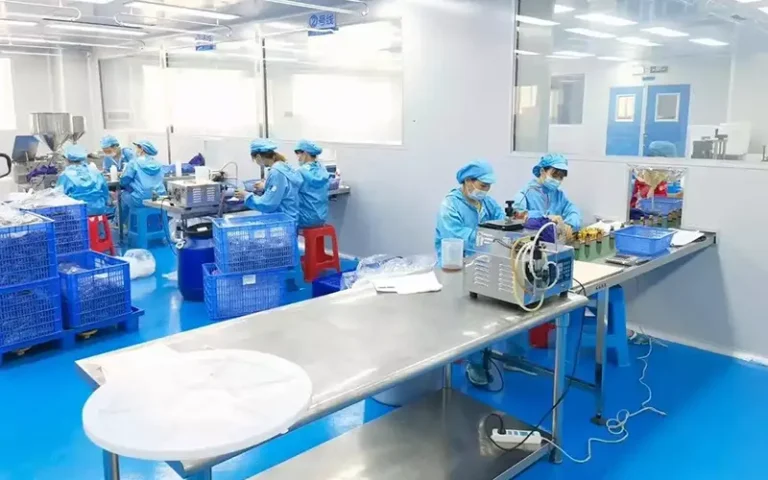
Ms. Choi is arranging a batch of botanical essential oil shampoo samples ready for shipment to Europe. While her company is headquartered in Hong Kong, its R&D center and factories are spread across multiple regions in Asia. Hong Kong’s status as an international free port allows their products to enter over 130 global markets tariff-free.
Walk into any supermarket or drugstore in Hong Kong, and behind the array of products on the shampoo shelves lies amanufacturing network. This includes not only local Hong Kong brands like Opal, with annual sales exceeding billions, but also numerous factories that have been deeply involved in the industry for decades, providing R&D and production services for global clients.
Leveraging their unique geographical location, stringent quality standards, and flexible service models, Hong Kong shampoo factories occupy an irreplaceable position in the global personal care supply chain.
01 Market Foundation: The Landscape of Hong Kong’s Shampoo Industry
The Hong Kong shampoo market is a vibrant and highly competitive field. According to market research from 6Wresearch, this market has continued to show stable growth in 2024.
Shampoo products in the Hong Kong market are categorized with great detail. By function, they can be divided into repair, anti-dandruff, growth-promoting, moisturizing, UV protection, and many other types.
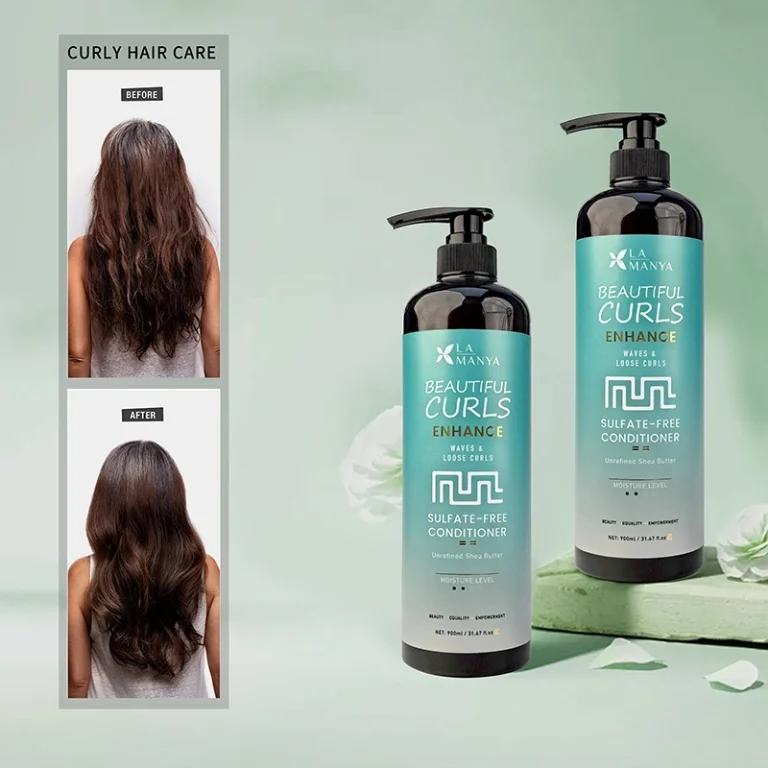
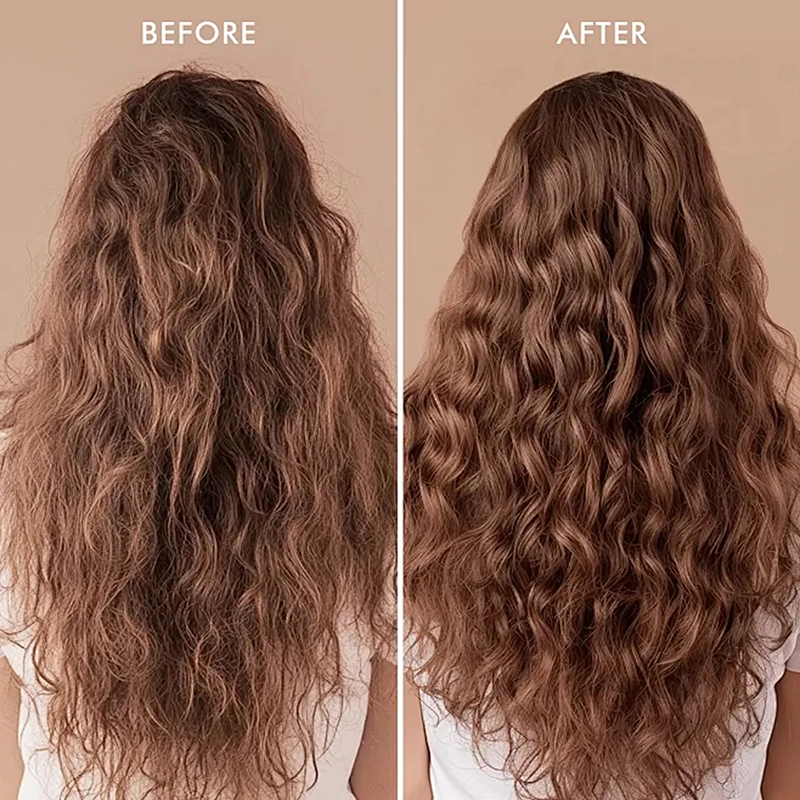
Consumers can choose suitable products based on their hair characteristics (curly, straight, wavy, oily, or dry) and specific needs. This highly segmented product structure provides Hong Kong’s local shampoo factories with ample space for innovation.
The market’s vitality partly stems from Hong Kong’s mature retail distribution network. Products reach consumers through multiple channels including supermarkets, specialty stores, hair salons, pharmacies, and the increasingly important online stores.
Despite facing fierce competition from international brands, the growing disposable income of Hong Kong consumers and their pursuit of natural and organic products are driving local brands and manufacturers to innovate continuously.
02 Core Players: Representative Enterprises of Hong Kong Shampoo Factories
Hong Kong’s shampoo manufacturing enterprises exhibit diversified development models, from large brand manufacturers to specialized contract manufacturers, each playing a crucial role in the supply chain.
Opal Cosmetics Group is a of Hong Kong’s shampoo manufacturing. Founded in 1994, the company achieved great success in the Hong Kong market with star products like its “One-Minute Hair Conditioning Treatment.”
Opal employs a dual-track development model, managing its own brands while also providing clients with一站式 OEM production services. The company has production facilities exceeding 10,000 square meters in Huizhou, Guangdong, and has obtained multiple international certifications such as ISO 9001, ISO 22716, and GMPC.
As of 2022, the group possesses over 20,000 formula reserves and 98 registered patents, demonstrating strong R&D capabilities.
Hung Hin Hong Limited represents another model of local production in Hong Kong. Established in 1995, this company has its own production facilities in Hong Kong, specializing in manufacturing products like shower gel and shampoo.
Notably, the company obtained ISO 9001:2015 Quality Management System Certification in 2017, with strict monitoring across all stages from production and storage to transportation and customer service. Hung Hin Hong initially supplied massage oils to saunas and foot bath shops, later gradually expanding into the production of personal care products like shampoo.
o’Naomi is a that insists on “Made in Hong Kong,” using Hong Kong as its production base and boasting 30 years of R&D experience.
The brand focuses on natural herbal hair care products, utilizing precious Chinese herbal ingredients like fleeceflower root, ginseng, and angelica sinensis, combined with首创的低温微细化技术 to develop a series of shampoo and hair care products. o’Naomi also incorporates advanced skincare ingredients like hyaluronic acid and Coenzyme Q10 into its body wash products, aiming for skincare from the basics.
03 Unique Advantages: The Four Competitive Strengths of Hong Kong Shampoo Factories
Hong Kong shampoo factories can stand out in global competition, thanks mainly to the following unique advantages:
R&D and Innovation Capability is one of the core strengths of Hong Kong shampoo factories. Taking Opal Group as an example, the company not only has a strong R&D team but has also been recognized by the Guangdong Provincial Department of Science and Technology as a “Guangdong Provincial Engineering Technology R&D Center for Natural Plant Active Ingredient Cosmetics.”
The company has developed systems like an ingredient QR code weighing system and a workshop feeding monitoring system, achieving refined management of the production process. o’Naomi focuses on combining traditional Chinese herbal medicine with modern technology to develop efficient hair care products suitable for different hair types.
Stringent Quality Control Systems are another prominent feature of Hong Kong shampoo factories. Manufacturers in Hong Kong generally value international certifications, such as the ISO 9001:2015 Quality Management System Certification obtained by Hung Hin Hong, and the ISO 22716 (Guidelines on Good Manufacturing Practices for Cosmetics) and BRC (Global Standard for Consumer Products) certifications obtained by Opal.
These certifications ensure every step—from raw material selection and production processes to the final product—meets international standards.
Flexible Production and Service Models enable Hong Kong shampoo factories to meet diverse market demands. Many enterprises, like Body Fantasy (Contract) Manufacturing Limited, have been developing and producing personal care products for clients since 1997.
They provide 一站式 OEM/ODM services, covering the entire process from product development and manufacturing to packaging design. This flexibility allows Hong Kong factories to serve various clients, from startup brands to international corporations.
International Market Layout benefits from Hong Kong’s geographical advantage as a free trade port. Hong Kong’s shampoo factories not only serve the local market but also export products to the United States, Canada, Australia, France, and multiple Southeast Asian countries.
This global perspective and market experience enables Hong Kong manufacturers to grasp the latest international trends and develop innovative products that meet the needs of different markets.
04 Consumer Trends: Forces Driving Change in Hong Kong Shampoo Manufacturing
Consumer trends in the Hong Kong shampoo market are profoundly influencing the development direction of local manufacturing enterprises. Understanding these trends helps in grasping the future development path of Hong Kong shampoo factories.
The Pursuit of Natural and Organic Ingredients is one of the most significant current trends. As consumers become more concerned about the safety of chemical ingredients, demand for shampoos containing natural plant extracts is rising.
Chinese Herbal Formulas are particularly favored. For example, the herbal shampoo developed by the品牌 龙榜 focuses on efficacy like scalp care, hair growth, and turning white hair black. o’Naomi also specializes in R&D for hair care products containing precious Chinese herbal ingredients like fleeceflower root, ginseng, and angelica sinensis.
Demand for Personalized Hair Care Solutions is growing. Consumers are increasingly focusing on choosing products based on their hair type (such as oily, dry, curly, straight) and specific issues.
This trend prompts manufacturers to develop more segmented product lines and enhance personalized consultation services. For instance, the brand offers comprehensive scalp and hair care solutions through professional scalp detection, therapy facilities, and active maintenance product combinations.
The Influence of Social Media and E-commerce Channels is increasing. Promotions on social platforms and by beauty influencers significantly affect consumer purchasing decisions.
The importance of online retail channels continues to grow, becoming a vital sales platform for shampoo products. This change prompts manufacturers to focus not only on the product itself but also on the appeal of digital marketing and packaging design.
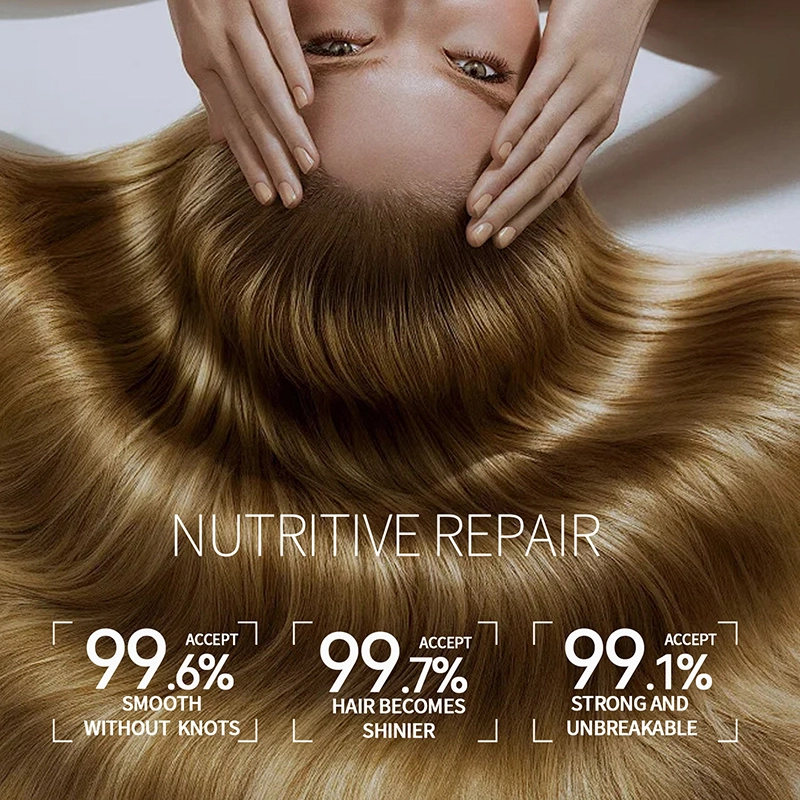
Diversification of Functional Needs is another major trend. Beyond basic cleansing functions, consumers also expect shampoos to offer multiple efficacies like repair, anti-dandruff, growth promotion, moisturizing, and even UV protection.
This demand drives manufacturers to continuously pursue technological innovation, developing high-value-added products with
05 Collaboration Guide: How to Choose a Hong Kong Shampoo Factory
For brand owners, choosing the right Hong Kong shampoo factory is key to ensuring product success. Here are some practical selection criteria and suggestions:
Evaluating Production Qualifications and Certifications is the first step. Prioritize factories with international certifications, such as ISO 9001 Quality Management System Certification, ISO 22716 Cosmetic Good Manufacturing Practices Guidelines, and GMPC certification.
These certifications are important guarantees of a factory’s production management level and product quality. For example, both Hung Hin Hong and Opal have obtained relevant international certifications, reflecting their emphasis on quality control.
Assessing R&D and Innovation Capability is equally important. Understand the size of the factory’s R&D team, its formula reserves, and technological patents.
Request to see the factory’s R&D case studies and samples to evaluate its ability to develop new products that align with market trends. Opal Group’s possession of over 20,000 formula reserves and 98 registered patents demonstrates its strong R&D strength.
Understanding Production Equipment and Capacity is crucial for ensuring supply chain stability. Conduct on-site visits to the factory’s production workshops to understand the先进程度 of its equipment, the level of production line automation, and its capacity.
Inquire about the factory’s maximum and minimum order quantities (MOQ), as well as production lead times and delivery schedules, to ensure they can meet your needs.
Reviewing the Raw Material Supply Chain and Quality Control System cannot be overlooked. Understand the factory’s sources of raw materials, supplier selection criteria, and raw material inspection procedures.
Ask about the factory’s quality control processes, including online inspection, finished product testing, and handling mechanisms for non-conforming products. o’Naomi emphasizes that its products are based on precious Chinese herbal ingredients and advanced skincare components, reflecting its重视 of raw material quality.
Evaluating Collaboration Cases and Market Experience helps judge the factory’s practical capabilities. Request the factory to provide past collaboration cases, especially successful ones similar to your target market or product type.
Understand the factory’s main markets and client types to assess whether it has experience serving similar brands. Body Fantasy Company has been assisting clients in developing and producing自有品牌 personal care products since 1997, possessing rich OEM experience.