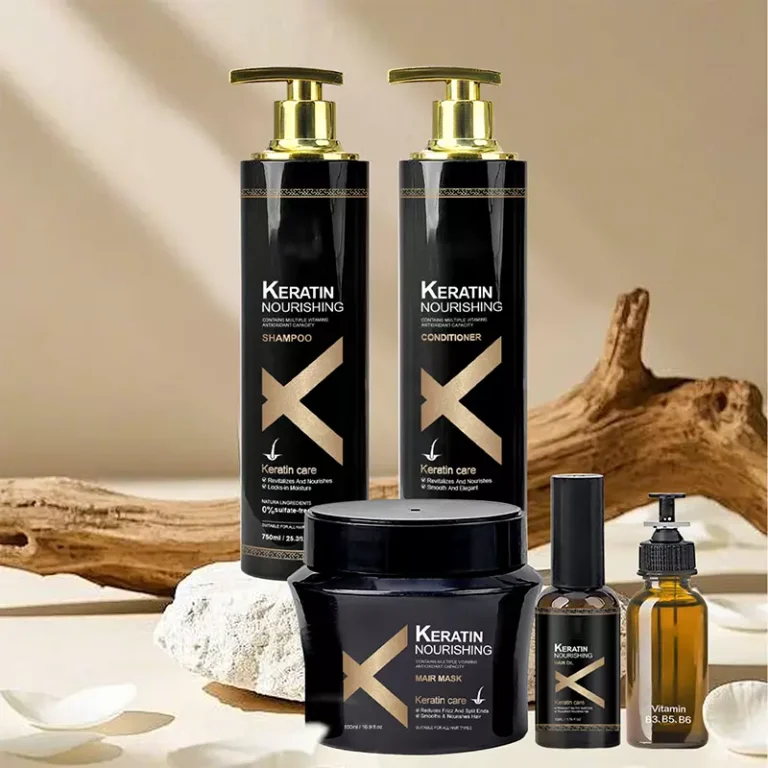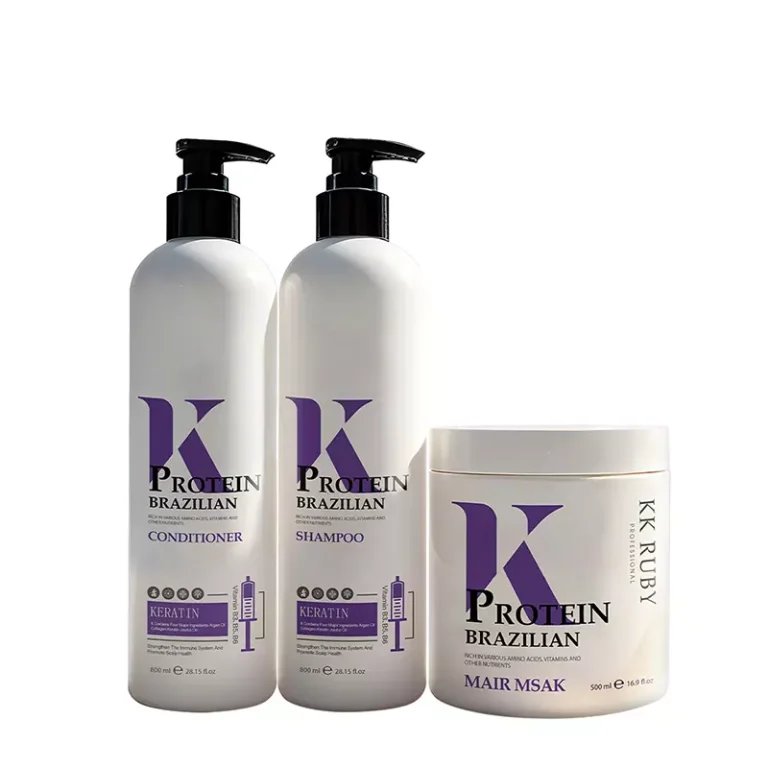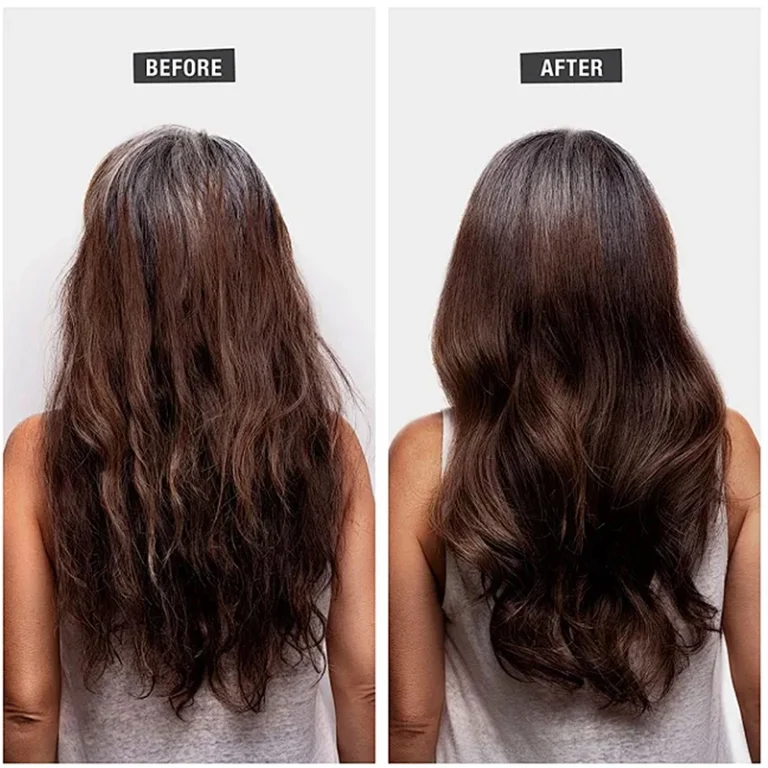
The beauty and personal care industry is undergoing a massive shift. Gone are the days when a few global conglomerates dictated what sat on every bathroom shelf. Today, the market belongs to the niche, the specialized, and the brand-conscious. Whether you are an influencer looking to launch a signature line, a salon owner wanting to provide exclusive aftercare, or an entrepreneur spotting a gap in the organic hair care market, the path to success often leads to one place: private label shampoo manufacturers.
Navigating this industry can feel like a daunting task. How do you find a partner who understands your vision? How do you ensure the quality of the liquid inside the bottle matches the prestige of the label outside?
In this comprehensive guide, we will explore the world of private label manufacturing, why Jindao Shampoo Manufacturer has become a trusted name in the space, and how you can turn a simple idea into a high-performing hair care brand.
What is Private Labeling?
At its core, private labeling is a partnership. A manufacturer develops a high-quality product (in this case, shampoo or conditioner), and a brand owner (you) sells it under their own brand name.
There are generally two paths you can take:
- Stock Formulations: You choose from a library of pre-developed, tested, and proven formulas. You customize the scent, the packaging, and the branding. This is the fastest way to get to market.
- Custom Formulations: You work with chemists to create a unique recipe from scratch. This is ideal for brands that want to highlight a specific hero ingredient or a “free-from” promise that isn’t available elsewhere.
Why Choose Private Labeling Over DIY?
Many small business owners start by mixing products in their kitchens. While this is great for testing concepts, scaling a brand requires professional intervention. Private label shampoo manufacturers provide:
- Consistency: Every bottle in every batch will have the exact same pH balance, viscosity, and scent.
- Compliance: Professional manufacturers ensure the product meets safety regulations (like FDA or EU standards).
- Scalability: They can produce 100 bottles today and 100,000 bottles next month.
Why the Right Manufacturer Matters: The Jindao Difference
Choosing a partner is the most critical decision in your brand’s journey. The “cheapest” option often leads to leaky bottles, inconsistent formulas, or—worst of all—regulatory nightmares.
Jindao Shampoo Manufacturer has carved out a reputation as a leader in the field by focusing on the intersection of traditional hair care wisdom and modern laboratory precision. When looking for private label shampoo manufacturers, you should evaluate them based on the pillars that Jindao prioritizes:
1. Ingredient Integrity
The modern consumer is educated. They read labels. They know the difference between sulfates and silicones. A top-tier manufacturer doesn’t just offer “shampoo”; they offer solutions like “Sulfate-Free Clarifying Wash” or “Biotin-Infused Volumizing Cleanser.” Jindao focuses on sourcing raw materials that are both effective and ethically sound, ensuring your brand stands up to scrutiny.
2. State-of-the-Art Facilities
You wouldn’t want your skin care made in a dusty warehouse. High-end manufacturing requires “Clean Room” environments to prevent contamination. Professional facilities utilize automated filling lines and rigorous testing protocols to ensure that what’s on the label is exactly what’s in the bottle.
3. Design and Packaging Support
A great formula in a boring bottle rarely sells. Private label partners often provide (or collaborate with) packaging experts to help you choose the right pump, the right material (like PCR plastic or glass), and the right aesthetic to catch a customer’s eye on a crowded Instagram feed or retail shelf.
Trends Shaping the Private Label Shampoo Market
If you are starting a brand today, you aren’t just competing with the brands of yesterday; you are competing with the trends of tomorrow. Working with agile private label shampoo manufacturers allows you to pivot quickly to these growing demands:
| Trend | What Consumers Want | Why it Matters |
| Clean Beauty | No parabens, sulfates, or artificial dyes. | Builds trust and minimizes irritation for sensitive scalps. |
| Scalp Care | Ingredients like salicylic acid or tea tree oil. | The “skinification” of hair; treating the scalp like the face. |
| Sustainability | Refillable pouches or recycled plastic. | Modern buyers prioritize the planet as much as their hair. |
| Customization | Formulas for specific hair types (4C, silver, thinning). | Generic “all hair types” products are losing market share. |
The Step-by-Step Process of Launching Your Brand
How does a conversation with a manufacturer turn into a finished product? Here is the typical roadmap when working with a partner like Jindao Shampoo Manufacturer.
Step 1: Concept and Consultation
This is the “dreaming” phase. You define your target audience. Are you selling a luxury $50 shampoo to high-end salons, or an accessible $15 organic wash to health-conscious families? You’ll discuss your desired effects: hydration, repair, color protection, or anti-dandruff.
Step 2: Sampling and Testing
Never commit to a large order without testing the “juice.” Your manufacturer will send samples. You should use them, give them to friends, and see how they perform over a week or two. Does it lather well? Does it rinse clean? Is the fragrance too strong? This is where you fine-tune the sensory experience.
Step 3: Branding and Regulatory Compliance
While the liquid is being perfected, you work on your labels. Your manufacturer will provide a “die-line” (a template for the label size). You must ensure your labels include:
- Full ingredient lists (INCI names).
- Net weight/volume.
- Usage instructions.
- Country of origin.
Step 4: Production and Quality Control
Once the design is approved and the formula is locked in, the “big cook” happens. Ingredients are blended in massive stainless steel vats, tested for microbial growth, and then moved to the filling line.
Step 5: Shipping and Launch
Your finished products are boxed, palletized, and shipped to your warehouse or fulfillment center. Now, the real work of marketing begins!
Common Pitfalls to Avoid
Even with the best private label shampoo manufacturers, things can go wrong if you aren’t prepared.
- Ignoring Minimum Order Quantities (MOQs): Every manufacturer has a minimum. Some require 5,000 units, while others are more flexible with “low MOQ” options for startups. Always ask about this upfront to ensure it fits your budget.
- Skipping Stability Testing: If you are creating a custom formula, you need to know it won’t separate or change color after three months on a shelf. Professional manufacturers like Jindao perform “stability and compatibility” testing to ensure the formula doesn’t react with the plastic of the bottle.
- Underestimating Lead Times: Manufacturing isn’t instant. Between sourcing ingredients, printing labels, and the actual production, it can take anywhere from 8 to 16 weeks. Plan your launch accordingly!
The Future of Hair Care: Beyond Just “Cleaning”
The role of shampoo has changed. It is no longer just about removing dirt; it is a ritual of self-care. Private label shampoo manufacturers are now incorporating advanced technology once reserved for high-end skincare, such as:
- Encapsulated Ingredients: Delivering nutrients deeper into the hair shaft.
- Fermented Extracts: Using probiotics to balance the scalp’s microbiome.
- Bond-Building Technology: Repairing hair at a molecular level from the inside out.
By partnering with a manufacturer that stays ahead of these scientific curves, your brand can offer “prestige” results at a price point that makes sense for your business model.
Why Choose Jindao Shampoo Manufacturer?
In a sea of options, Jindao Shampoo Manufacturer stands out because of their commitment to the “Three Cs”: Capacity, Customization, and Care.
They understand that a shampoo brand is more than just a liquid in a bottle—it’s a promise to the customer. Whether you are looking for a classic moisturizing formula or a cutting-edge vegan hair growth treatment, their team provides the technical expertise to make it happen. Their facilities are designed to handle both the intricate needs of boutique brands and the volume requirements of regional distributors.
Final Thoughts: Taking the Leap
The barrier to entry for the beauty industry has never been lower, yet the standard for quality has never been higher. Consumers are looking for brands that have a “soul”—a story, a specific purpose, and a commitment to quality.
By leveraging the infrastructure of experienced private label shampoo manufacturers, you remove the heavy lifting of chemistry and logistics, allowing you to focus on what you do best: building a community and telling your brand’s story.
Success in the hair care world doesn’t happen by accident. It happens through meticulous formulation, beautiful branding, and a partnership with a manufacturer that treats your business as if it were their own.
Are you ready to see your name on the bottle?