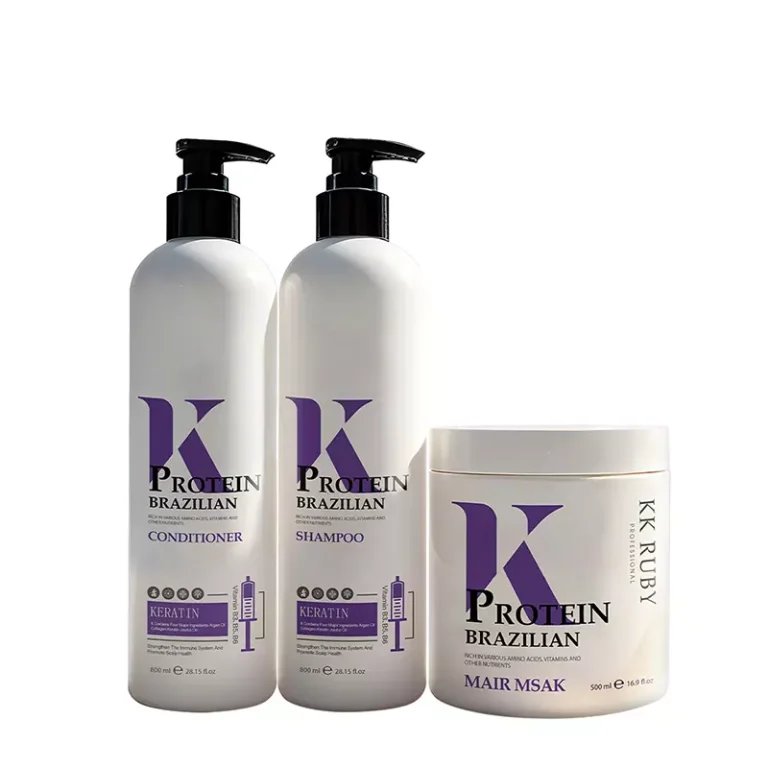
Overview: Transformation and Opportunities in the Natural Shampoo Market
Driven by a global surge in consumer health and environmental awareness, the natural shampoo market is experiencing unprecedented growth. For cosmetics manufacturers, establishing a professional natural shampoo factory is not merely a response to market trends but a strategic cornerstone for long-term brand development. This article delves deeply into the core competencies, technological innovation pathways, and market breakthrough strategies for natural shampoo factories, providing valuable insights for industry professionals.

Global Trends and Data Insights in the Natural Hair Care Market
In recent years, the global natural personal care market has grown at an average annual rate of 8.3%, with natural shampoos claiming the largest share. Consumer surveys indicate that over 65% of millennials are willing to pay a premium for natural ingredient formulations, a figure that rises to 72% among Gen Z. This shift stems not only from concerns about chemical ingredients but also reflects a deep-seated consumer focus on sustainability, animal welfare, and transparent supply chains.
A successful natural shampoo factory must move beyond simple claims like “silicone-free” or “sulfate-free.” It requires a profound understanding of scalp microbiome balance, stabilization technologies for plant-based active ingredients, and circular economy models for packaging. These elements collectively form the competitive advantage of a next-generation natural shampoo manufacturer.
The Transformation Path from Traditional Cosmetics Manufacturer to Specialized Natural Factory
For traditional cosmetics manufacturers, transitioning into a specialized natural shampoo factory necessitates systematic upgrades. This includes reconstructing the raw material procurement system (establishing traceable organic botanical supply chains), specialized modification of production equipment (low-pressure reactors to avoid cross-contamination), a shift in formulation R&D mindset (from chemical synthesis to studying the synergistic effects of plant extracts), aning certification systems (such as international natural standards like COSMOS, ECOCERT, and Natrue).
Building the Core Competitiveness of a Natural Shampoo Factory
R&D and Stabilization Technology for Plant-Based Active Ingredients
The true distinction between a genuine natural shampoo factory and an ordinary contract manufacturer lies in independent R&D capability. Top-tier factories not only source standardized ingredients but also establish their own plant extract research laboratories, focusing on:
Innovative Application of Local Characteristic Plants
Deep exploration of region-specific botanical resources, such as Chinese Polygonum Multiflorum (Fo-Ti), ginger, and tea seed pulp; European nettle and rosemary; or Korean red ginseng and mugwort. Through modern research on these traditional hair care plants, factories isolate active ingredients with defined scalp care functions and develop stabilization and encapsulation technologies suitable for shampoo systems, ensuring efficacy is maintained throughout shelf life and use.
Development of Formulations for Scalp Microbiome Balance
Leading natural shampoo factories have shifted their R&D focus from hair surface care to scalp ecological health. Through precise blending of prebiotics, postbiotics, and other components, they develop shampoo formulations that maintain the balance of the scalp’s microbial flora. This latest R&D direction, based on skin science, elevates natural shampoo from a mere cleansing product to a scalp health management product.

Green Production Systems and Sustainable Practices
The environmental standards of modern natural shampoo factories far exceed basic “pollution compliance” requirements, building a green system that spans the entire production cycle:
Zero-Carbon Factories and Water Circulation Systems
Cutting-edge natural shampoo manufacturing bases achieve self-sufficiency in production energy through solar photovoltaic systems, ground-source heat pumps, and other technologies, with some factories even realizing “carbon-negative production.” In water resource management, closed-loop water circulation systems are adopted, reducing water consumption per bottle of shampoo to 30% of that in traditional factories while achieving zero wastewater discharge.
Full-Chain Sustainability from Ingredients to Packaging
From the organic cultivation of plant ingredients (supporting regenerative agriculture), to the use of post-consumer recycled (PCR) plastic, bio-based plastics, or refillable packaging, to collaborating with logistics partners to optimize transportation carbon emissions—a complete green value chain has become standard for high-end natural shampoo factories. These comprehensive sustainable practices not only reduce environmental footprint but also serve as powerful support for brand storytelling.
Market Positioning and Brand Collaboration Strategies
Innovation in B2B Collaboration Models: From Contract Manufacturing to Co-Creation
The nature of the partnership between contemporary natural shampoo factories and brands has fundamentally changed. Leading factories are no longer passive order executors but rather R&D partners and providers of market insights for brands:
Co-Creation Platform for Customized Formulations
Establishing transparent formulation library systems allows brands, under non-disclosure agreements, to select basic formulation frameworks based on target customer needs (e.g., sensitive scalp, color-treated/damaged hair repair, anti-hair loss) and participate in adjusting active ingredient combinations, scent experiences, and texture characteristics. This semi-custom model ensures both R&D efficiency and meets brand differentiation needs.
Data-Driven Market Trend Response Mechanism
Leveraging sales data (anonymized) and consumer feedback accumulated from serving multiple brands, a natural shampoo factory can identify niche market trends earlier than any single brand. For example, when data indicates rapid growth for “scalp soothing” products in a specific region, the factory can pre-develop corresponding formulation modules for partner brands to launch quickly.
Certification Systems and Transparency Building
In the digital age of information transparency, third-party certifications and transparency practices of natural shampoo factories have become key elements of trust:
Acquisition and Maintenance of an International Certification Matrix
Top natural shampoo factories typically hold multiple certifications simultaneously: organic (e.g., EU Organic, USDA Organic), natural (COSMOS, Natrue), Fair Trade, Cruelty-Free, and Carbon Neutral certifications. These certifications form a trust matrix, providing endorsement support for partner brands.
Implementation of Blockchain Traceability Systems
Progressive factories are beginning to introduce blockchain technology to achieve full-chain traceability from plant cultivation to finished product. By scanning a product QR code, consumers can view the origin, harvest time, organic certification status of each botanical ingredient, and even images of the cultivating farmers. This extreme transparency significantly enhances brand credibility.
Technological Frontiers and Future Outlook
Biotechnological Innovation and Next-Generation Natural Actives
The R&D boundaries of natural shampoo factories are expanding into biotechnology:
Plant Stem Cell Cultivation Technology
Through plant stem cell culture, high-concentration, high-purity active ingredients are obtained without damaging the whole plant. This technology is particularly suitable for rare, endangered, or slow-growing plants (like ginseng, Saussurea involucrata), ensuring stable ingredient supply while protecting biodiversity.
Microbial Fermentation for Active Ingredients
Utilizing specific microbial strains to ferment plant materials generates novel active molecules. Fermentation can not only enhance the efficacy of original components (e.g., reducing the pungency of fermented ginger while increasing activity) but also create entirely new skincare benefits. The application of fermentation technology in natural shampoos represents a perfect fusion of traditional wisdom and modern science.
The Manufacturing Revolution of Personalized Natural Shampoos
With the development of flexible manufacturing systems and artificial intelligence, natural shampoo factories are evolving towards personalized customization:
AI-Based Personalized Formulation Systems
Factories develop online diagnostic platforms. After consumers upload scalp images and complete lifestyle questionnaires, AI algorithms analyze scalp conditions and needs, generating personalized formulations from thousands of possible ingredient combinations. The factory’s small-batch flexible production line can produce theshampoo within 72 hours and ship it directly to the consumer.
Modular Natural Ingredient Combination Technology
Establishing standardized libraries of natural active ingredient modules, each targeting specific scalp needs (e.g., oil control, moisturizing, soothing, anti-hair loss). Consumers or brands can combine these modules like building blocks, and the factory rapidly realizes the stable production of these personalized combinations through efficient production systems.
Conclusion: Becoming the Natural Shampoo Manufacturer that Defines the Industry
In an increasingly competitive natural hair care market, a natural shampoo factory established by a cosmetics manufacturer must possess multi-dimensional core competencies: deep botanical scientific research capabilities, forward-looking sustainable development practices, flexible brand collaboration models, and a future-oriented vision for technological innovation.
A successful natural shampoo factory is no longer merely a production site for products. It is a setter of industry standards, a source of technological innovation, and an amplifier of brand value. By constructing a complete value chain from ingredient traceability to consumer experience, such a factory can not only achieve a leading position in Google search rankings but also occupy the role of a definer in consumer minds and the industry landscape.
For cosmetics manufacturers planning to establish or upgrade a natural shampoo factory, now is the critical moment to focus resources on building deep technological barriers, creating unique consumer value, and constructing resilient supply chains. Only those factories that transform “natural” from a marketing concept into scientific practice, and elevate production standards to a philosophical principle, will stand out in the next phase of industry consolidation and lead the true revolution in scalp care.