The beauty and personal care industry is undergoing a seismic shift. No longer is the market dominated exclusively by a handful of century-old conglomerates. Today, influencers, salon owners, dermatologists, and even niche e-commerce entrepreneurs are carving out significant market shares with their own unique brands. At the heart of this movement is the concept of private label shampoo.
By leveraging the expertise of established manufacturers, individuals and companies can launch high-quality, professional-grade hair care lines without the prohibitive costs of building a factory or hiring a full-scale research team. To understand how a simple idea becomes a global brand, we look to the operations of Jindao Shampoo OEM Manufacturer, a titan in the world of high-capacity, high-precision hair care production.
What is Private Label Shampoo?
In its simplest form, private label shampoo refers to a product manufactured by one company (the OEM) but sold under another company’s brand name. It is a collaborative partnership where the manufacturer provides the “hardware”—the factory, the raw materials, and the chemical formulas—while the brand owner provides the “software”—the marketing, the brand identity, and the connection to the consumer.
There are generally two paths within this model:
- White Label: Using an existing, pre-tested formula and simply applying your own packaging and branding. This is the fastest way to get to market.
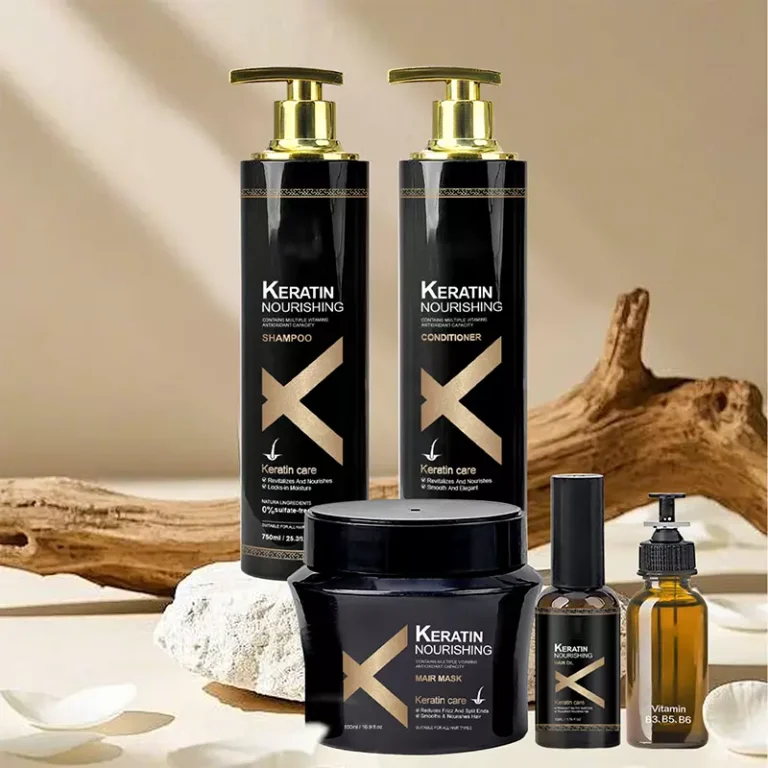
- Contract Manufacturing (Custom): Working with the manufacturer’s R&D team to create a unique formula from scratch, such as a specialized keratin shampoo or a “Spartan” root activator.
The Strategic Advantages of Going Private Label
For a new business, the barriers to entry in the cosmetic world are traditionally high. Private label shampoo removes these hurdles, offering several key benefits:
1. Reduced Capital Investment
Building a cosmetic factory that meets international safety standards requires millions of dollars in machinery, land, and labor. By partnering with Jindao Shampoo OEM Manufacturer, you gain access to a 120,000 square meter industrial park and over 100 automated production lines for a fraction of the cost.
2. Speed to Market
Developing a shelf-stable shampoo can take years of trial and error. A top-tier manufacturer already has a library of thousands of mastered formulas. This allows a brand to move from the “concept” phase to “market-ready” in a matter of weeks rather than years.
3. Focus on Core Competencies
Most brand owners are experts in marketing, social media, or hair styling—not chemical engineering. The private label model allows the brand owner to focus on telling their story and building a community, while the manufacturer handles the complex logistics of sourcing raw materials and maintaining quality control.
Behind the Scenes: The Manufacturing Journey
When you choose to launch a private label shampoo with a leader like Jindao, you are engaging in a meticulously orchestrated process designed to ensure that the product in the bottle is as premium as the label on the outside.
Phase 1: Consulting and Research
The journey begins with a “Brand Blueprint.” What is the target demographic? Is the product intended for professional salons or mass retail? Jindao’s consultants help narrow down the “hero ingredients”—whether that is Argan oil, ginger extract, or specialized “Polar” dye pigments.
Phase 2: Formula Development
This is where science meets art. In the R&D lab, chemists balance surfactants (the cleansers) with conditioners and active botanicals. For a private label shampoo, it is crucial that the “hand-feel” (viscosity) and “lather-profile” match the brand’s luxury or clinical positioning.
Phase 3: The GMPC Standard
In the global market, certifications are the currency of trust. Jindao operates under GMPC (Good Manufacturing Practice for Cosmetics) and ISO 22716 standards. This means every batch is produced in a sterile, temperature-controlled environment, ensuring that the product is free from contaminants and safe for use in any country, from the US to the EU.
Phase 4: Packaging and Aesthetic Customization
A shampoo bottle is a brand’s silent salesman. Private labeling allows for “True End-to-End Customization.” This includes choosing:
- Bottle Material: Glass, PET, or eco-friendly recycled plastics.
- Dispenser Type: Pump, flip-top, or precision-tip applicators for oils.
- Labeling: Silk-screen printing, hot stamping, or high-definition textured labels.
Trending Categories in Private Label Hair Care
To succeed in 2026, a private label shampoo must do more than just clean hair; it must solve a specific problem. Some of the highest-growth categories currently being produced at Jindao include:
- Scalp Health (The “Skin-ification” of Hair): Products infused with salicylic acid, AHAs, or probiotics to treat the scalp like skin.
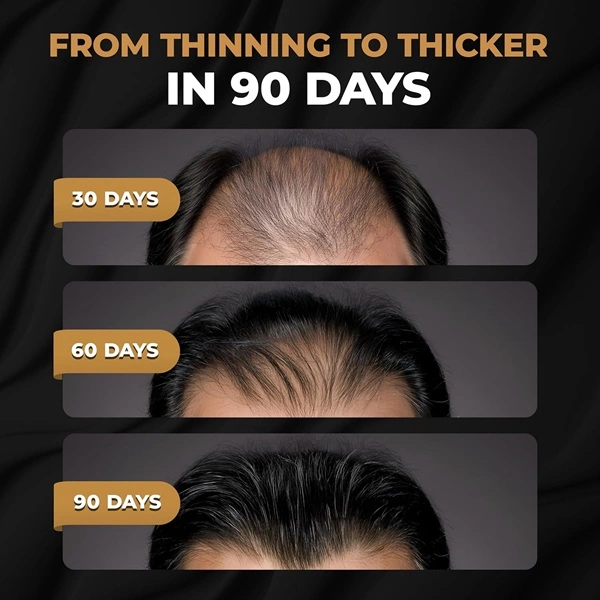
- Anti-Hair Loss Systems: Formulas like the spartan root activator that use caffeine and biotin to strengthen follicles.
- Color Maintenance: Toning shampoos, such as those targeting “brassiness” in blondes and brunettes, which require precise pigment integration.
- Clean Beauty: Sulfate-free, silicone-free, and paraben-free formulas that appeal to the environmentally and health-conscious consumer.
The Scalability Factor: Growing with Your Partner
A common fear among startups is outgrowing their manufacturer. This is why it is essential to partner with a high-capacity OEM from the beginning. Jindao Shampoo OEM Manufacturer produces millions of units per month. This means you can start with a modest Minimum Order Quantity (MOQ) for a local launch and, as your brand goes viral or lands a major retail contract, the factory can scale up instantly without a drop in quality.
Furthermore, a global manufacturer provides a “one-stop-shop” service. Once your private label shampoo is successful, you can easily expand your line to include conditioners, hair masks, wild growth oils, and styling creams, all manufactured under the same roof to ensure scent and quality consistency across the entire range.
The most critical aspect of the shampoo manufacturing process is consistency. In a private label partnership, the manufacturer’s lab acts as the brand’s guardian. Every batch undergoes:
- Microbial Testing: To ensure no bacteria or mold can grow in the product.
- Heat/Cold Stability: To ensure the shampoo doesn’t separate if it’s left in a hot shipping container or a cold warehouse.
- Active Ingredient Assay: To prove that the “hero ingredients” claimed on the label are actually present in the liquid at effective concentrations.
Conclusion: Your Brand, Our Science
The rise of private label shampoo has democratized the beauty industry. It has taken the power out of the hands of a few corporate giants and given it to the creators, the experts, and the innovators. However, the strength of a brand is only as good as the foundation it is built upon.
By choosing Jindao Shampoo OEM Manufacturer, you aren’t just hiring a factory; you are securing a technical partner with the R&D depth, the industrial scale, and the global certifications necessary to turn a vision into a legacy. Whether you are launching a specialized keratin shampoo or a comprehensive “Clean Beauty” line, the secret to your success lies in the science behind the bottle.