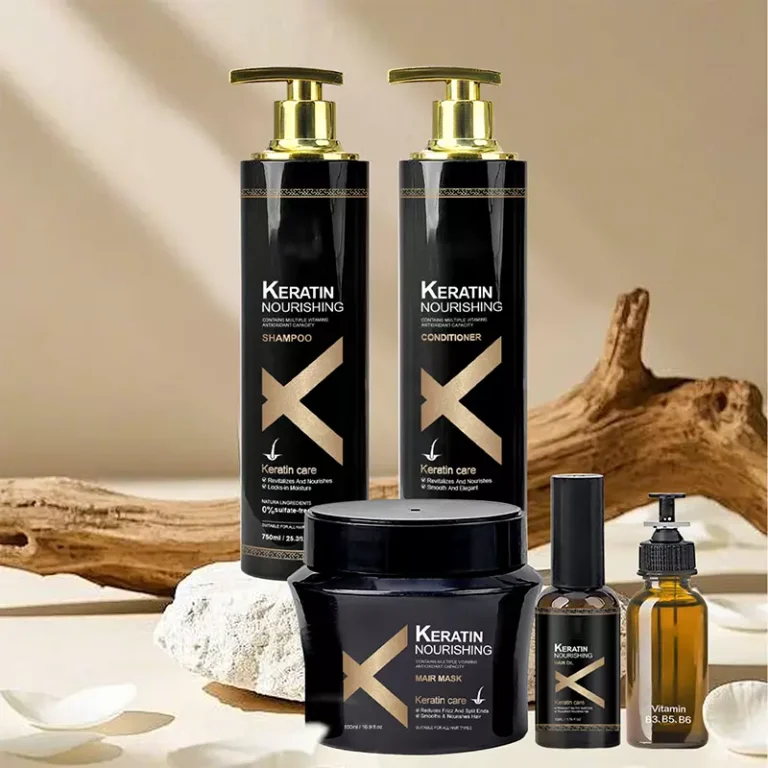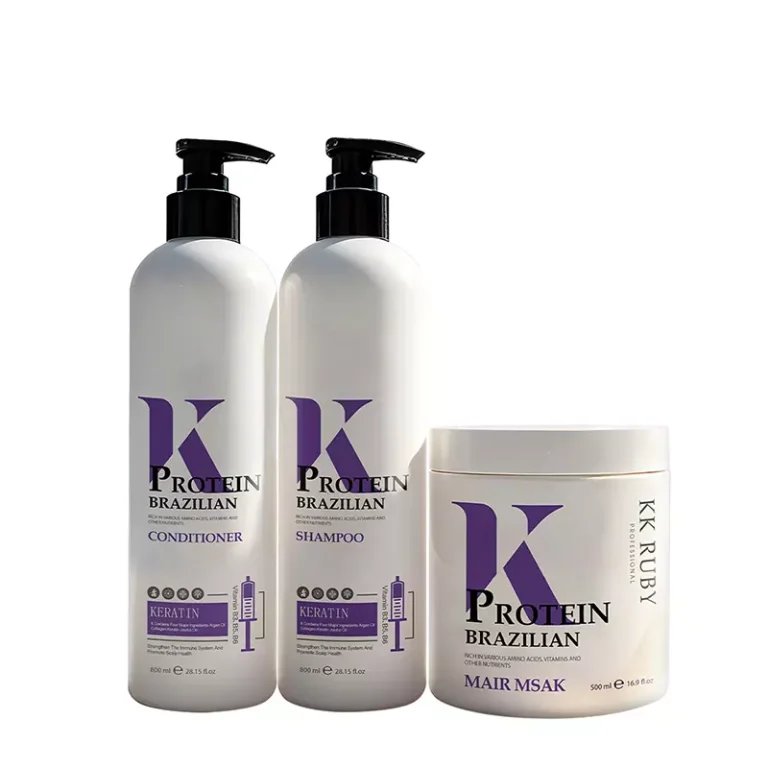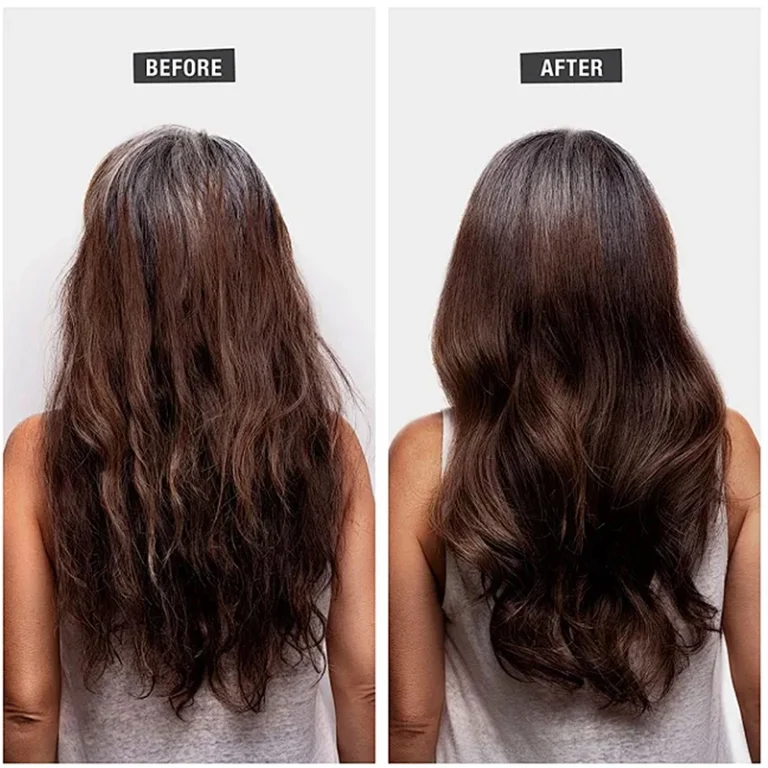
In recent years, the demand for sulfate-free hair care products has skyrocketed as consumers become more aware of the potential harshness of traditional shampoos. Sulfate-free shampoo formulation is not just a trend—it’s a science that balances gentle cleansing with effective hair and scalp care. This comprehensive guide will take you through everything you need to know about sulfate-free shampoo formulation, from key ingredients to advanced techniques that will help your products stand out in the competitive hair care market.
Understanding Sulfates: Why They’re Being Phased Out
Sulfates, such as sodium lauryl sulfate (SLS) and sodium laureth sulfate (SLES), have long been used in shampoos for their powerful cleansing properties. However, their harsh nature can strip the hair of its natural oils, leading to dryness, irritation, and color fading. For individuals with sensitive scalps or curly hair, sulfates can exacerbate issues like dandruff and frizz. This section will explore the science behind sulfates, their impact on hair health, and why sulfate-free alternatives are becoming the preferred choice for both consumers and formulators.
1.1 The Science of Sulfates: How They Work
Sulfates are anionic surfactants that lower the surface tension of water, allowing it to mix with oil and dirt. While effective at removing impurities, they can also disrupt the hair’s lipid layer, which is essential for maintaining moisture and shine. This disruption can lead to a compromised hair cuticle, making hair more vulnerable to damage. Understanding the chemical structure of sulfates and their interaction with hair proteins is crucial for formulators looking to create gentle yet effective sulfate-free alternatives.
1.2 Common Sulfate Alternatives in Shampoo Formulation
The shift away from sulfates has led to the development of a variety of alternative surfactants. These include mild anionic surfactants like sodium cocoyl isethionate (SCI) and sodium lauroyl sarcosinate, as well as non-ionic surfactants such as cocamidopropyl betaine and decyl glucoside. Each of these alternatives has unique properties that make them suitable for different hair types and formulation goals. This section will compare the performance, cost, and environmental impact of these alternatives, helping formulators make informed decisions.
Key Ingredients in Sulfate-free Shampoo Formulation
Crafting a high-quality sulfate-free shampoo requires a careful selection of ingredients that work together to cleanse, condition, and protect the hair. From surfactants to humectants, each component plays a critical role in the final product’s performance. This section will break down the essential ingredients in sulfate-free shampoo formulation, explaining their functions and how to balance them for optimal results.
2.1 Surfactants: The Cleansing Agents
Surfactants are the backbone of any shampoo, and choosing the right ones is essential for sulfate-free formulations. Mild anionic surfactants like SCI and sodium lauroyl sarcosinate provide effective cleansing without the harshness of sulfates. Non-ionic surfactants like cocamidopropyl betaine are often used to enhance lather and improve skin compatibility. This section will discuss the different types of surfactants, their benefits, and how to combine them to create a balanced cleansing system.
2.2 Conditioners: Nourishing the Hair
Conditioning agents are vital for sulfate-free shampoos, as they help to counteract the potential drying effects of surfactants. Ingredients like cationic surfactants (e.g., behentrimonium chloride), natural oils (e.g., argan oil, jojoba oil), and humectants (e.g., glycerin, panthenol) work together to moisturize, detangle, and add shine to the hair. This section will explore the role of each conditioning agent and how to formulate a shampoo that leaves hair feeling soft and manageable.
Advanced Formulation Techniques for Sulfate-free Shampoos
Creating a sulfate-free shampoo that performs as well as traditional sulfate-based products requires advanced formulation techniques. From optimizing pH levels to incorporating natural extracts, these techniques can elevate the quality and effectiveness of your product. This section will cover the latest trends and innovations in sulfate-free shampoo formulation, including tips for improving lather, stability, and sensory experience.
3.1 pH Balance: The Key to Healthy Hair and Scalp
The pH level of a shampoo plays a crucial role in its performance and impact on hair health. The scalp’s natural pH is slightly acidic (around 5.5), and using a shampoo with a similar pH can help maintain the scalp’s barrier function and prevent irritation. This section will explain how to adjust the pH of your sulfate-free shampoo and the benefits of doing so for different hair types.
3.2 Natural Extracts: Enhancing Performance and Appeal
Natural extracts, such as aloe vera, green tea, and chamomile, are increasingly being used in sulfate-free shampoos for their soothing, antioxidant, and hair-strengthening properties. These ingredients not only improve the product’s performance but also appeal to consumers seeking natural and organic hair care options. This section will discuss the most effective natural extracts for sulfate-free formulations and how to incorporate them into your product.
Testing and Quality Control for Sulfate-free Shampoos
Before launching a sulfate-free shampoo, it’s essential to conduct thorough testing to ensure its safety, efficacy, and stability. From compatibility tests to consumer trials, this section will outline the key steps in the testing process. We’ll also discuss quality control measures to maintain consistency and meet regulatory standards, ensuring your product is both effective and compliant.
4.1 Compatibility and Stability Testing
Sulfate-free formulations can be more complex than traditional shampoos, making compatibility and stability testing critical. This section will cover the different types of tests, including accelerated stability testing, freeze-thaw testing, and compatibility with other ingredients. We’ll also discuss how to address common issues like phase separation and viscosity changes.
4.2 Consumer Testing: Gathering Feedback and Improving Your Product
Consumer testing is an essential part of the product development process, as it provides valuable feedback on the shampoo’s performance, scent, and overall user experience. This section will explain how to design effective consumer trials, analyze the data, and use the results to refine your formulation. We’ll also discuss the importance of addressing consumer concerns, such as lather quality and hair feel, to create a product that meets their expectations.
Marketing Your Sulfate-free Shampoo: Strategies for Success
Once you’ve developed a high-quality sulfate-free shampoo, the next step is to market it effectively. From branding to digital marketing, this section will cover the key strategies for promoting your product and reaching your target audience. We’ll also discuss how to highlight the unique benefits of your sulfate-free formulation, such as its gentleness, effectiveness, and natural ingredients, to stand out in a crowded market.
5.1 Branding and Positioning: Telling Your Product’s Story
Branding is crucial for differentiating your sulfate-free shampoo from competitors. This section will explore how to create a strong brand identity, including choosing a name, designing packaging, and developing a brand message that resonates with your target audience. We’ll also discuss the importance of positioning your product as a premium, effective alternative to traditional sulfate-based shampoos.
5.2 Digital Marketing: Reaching Consumers Online
Digital marketing is essential for reaching consumers in today’s competitive market. This section will cover the key digital marketing strategies for sulfate-free shampoos, including search engine optimization (SEO), social media marketing, and influencer partnerships. We’ll also discuss how to use content marketing to educate consumers about the benefits of sulfate-free hair care and drive traffic to your website.
Case Studies: Successful Sulfate-free Shampoo Formulations
Learning from successful brands can provide valuable insights into what works in the sulfate-free shampoo market. This section will analyze case studies of top sulfate-free shampoo brands, exploring their formulation strategies, marketing tactics, and consumer feedback. We’ll also discuss the lessons you can apply to your own product development and marketing efforts.
6.1 Brand A: A Focus on Natural Ingredients
Brand A is a leading sulfate-free shampoo brand that has built its reputation on using 100% natural ingredients. This case study will explore their formulation process, including their use of organic surfactants and plant-based extracts. We’ll also discuss their marketing strategy, which emphasizes transparency and sustainability, and how it has helped them build a loyal customer base.
6.2 Brand B: Innovation in Lather and Performance
Brand B has differentiated itself by creating a sulfate-free shampoo with a rich, luxurious lather—something that is often lacking in sulfate-free formulations. This case study will explore their innovative use of surfactants and conditioning agents to achieve this, as well as their marketing campaign that highlights the product’s performance. We’ll also discuss the challenges they faced and how they overcame them to create a successful product.
Future Trends in Sulfate-free Shampoo Formulation
The sulfate-free hair care market is constantly evolving, with new ingredients, technologies, and consumer preferences emerging. This section will explore the future trends in sulfate-free shampoo formulation, including the use of sustainable ingredients, personalized hair care, and advanced delivery systems. We’ll also discuss how these trends will shape the industry and what formulators need to do to stay ahead of the curve.
7.1 Sustainable Ingredients: Meeting Consumer Demand for Eco-Friendly Products
Consumers are increasingly seeking eco-friendly hair care products, and this trend is expected to continue in the coming years. This section will explore the latest sustainable ingredients for sulfate-free shampoos, including biodegradable surfactants, recycled packaging, and zero-waste formulations. We’ll also discuss the challenges and opportunities of incorporating these ingredients into your product.
7.2 Personalized Hair Care: Tailoring Formulations to Individual Needs
Personalized hair care is another growing trend, with consumers looking for products that are tailored to their specific hair type and concerns. This section will explore how formulators can create customizable sulfate-free shampoos, including the use of modular ingredients and digital tools to personalize formulations. We’ll also discuss the potential of AI and machine learning in predicting consumer preferences and developing personalized products.
CTA: Take Your Sulfate-free Shampoo Formulation to the Next Level
Are you ready to create a sulfate-free shampoo that stands out in the market? Whether you’re a seasoned formulator or just starting out, our team of experts can help you develop a high-quality, effective product that meets the needs of today’s consumers. Contact us today to learn more about our formulation services and how we can help you bring your vision to life.
CTA 1: Ready to craft a sulfate-free shampoo that your customers will love? Contact us today to discuss your formulation needs.
CTA 2: Want to learn more about sulfate-free shampoo formulation? Download our free guide, “The Science of Sulfate-free Hair Care,” and start creating better products tomorrow.
CTA 3: Follow us on social media for the latest trends and tips in sulfate-free hair care. Instagram | Facebook
CTA 4: Have questions about sulfate-free shampoo formulation? Reach out to our team via WhatsApp at +86 134 8026 8601 for personalized advice.
CTA 5: Looking for high-quality ingredients for your sulfate-free shampoo? Browse our selection of natural surfactants, conditioners, and extracts on our website.
Conclusion
Sulfate-free shampoo formulation is a dynamic and evolving field that requires a deep understanding of ingredients, chemistry, and consumer needs. By focusing on gentle yet effective surfactants, nourishing conditioners, and innovative techniques, formulators can create products that not only meet but exceed consumer expectations. Whether you’re a brand looking to launch a new sulfate-free line or a formulator seeking to improve your existing products, this guide provides the knowledge and tools you need to succeed in the competitive hair care market. Remember, the key to a successful sulfate-free shampoo is balancing performance, gentleness, and consumer appeal—something that our team at The Shampoo Factory is dedicated to helping you achieve.
Final CTA: Ready to start your sulfate-free shampoo formulation journey? Contact us today to schedule a consultation with our experts. Let’s create a product that revolutionizes the hair care industry together.
WhatsApp CTA: For immediate assistance, reach out to us on WhatsApp at +1234567890. Our team is ready to answer your questions and help you bring your sulfate-free shampoo vision to life.
Disclaimer: This guide is for informational purposes only and should not be considered as professional advice. Always conduct thorough testing and consult with a qualified formulator before launching a new product.
About The Shampoo Factory: The Shampoo Factory is a leading provider of high-quality hair care formulations and ingredients. With years of experience in the industry, we specialize in creating sulfate-free, natural, and effective products that meet the needs of today’s consumers. Contact us today to learn more about our services and how we can help you create the perfect shampoo for your brand.