The Core Economics of Private Label Shampoo
1.1 Cost Drivers That Shape Your Bottom Line
Private label shampoo cost isn’t just about ingredients—it’s a ecosystem of interconnected expenses that determine your brand’s profitability. Let’s break down the non-negotiable cost pillars:
Raw Material Premiums: Organic vs. synthetic ingredients can create a 25-40% cost gap (e.g., organic argan oil at $15/gallon vs. conventional at $4/gallon).
Formulation Complexity: Custom pH-balanced or color-protecting formulas add $0.70-$1.50 per unit in R&D and testing.
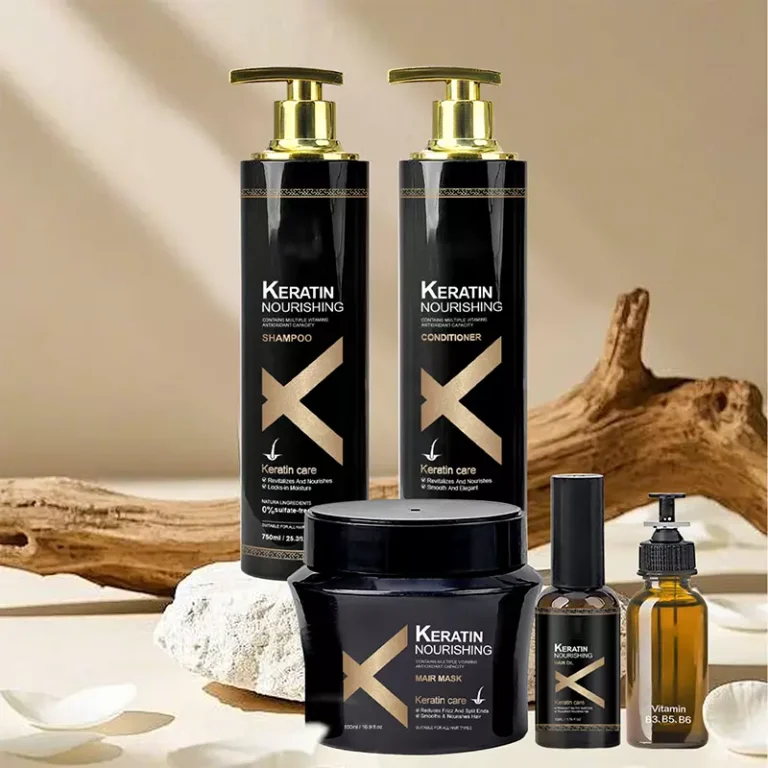
Packaging Tiering: Luxury glass bottles with UV protection cost 3x more than standard PET plastic ($1.20 vs. $0.40 per unit).
Regulatory Compliance: EU Cosmetics Regulation testing adds $2,500-$5,000 per product line, while FDA compliance requires $1,200-$3,000 in safety assessments.
For example, a 10oz sulfate-free shampoo with organic ingredients in a glass bottle might cost $3.80 to produce, compared to $1.20 for a basic synthetic formula in plastic.
1.2 The Hidden Cost of “Cheap” Private Labeling
Many brands fall into the trap of choosing the lowest-priced manufacturer, only to face hidden costs later:
Quality Control Failures: A 5% defect rate on a 10,000-unit order can cost $500-$1,000 in rework or customer refunds.
Intellectual Property Risks: Using unlicensed ingredient blends can lead to $10,000+ legal fees.
Supply Chain Disruptions: Reliance on a single supplier for rare ingredients can cause 2-4 week delays, costing $2,000-$5,000 in lost sales.
To avoid these pitfalls, prioritize manufacturers with ISO 22716 certification and transparent supply chains—this upfront investment reduces long-term risks by 30-40%.
Ingredient Cost Optimization: Balancing Quality & Affordability
2.1 The Science of Cost-Effective Formulations
You don’t need to use the most expensive ingredients to create a high-performing shampoo. Here’s how to optimize:
Synergistic Blends: Combine low-cost humectants (glycerin, $2/gallon) with mid-tier moisturizers (shea butter, $8/gallon) to achieve luxury results at 60% of the cost.
Sustainable Sourcing: Partner with fair-trade cooperatives for ingredients like coconut oil—this reduces costs by 15% while appealing to eco-conscious consumers.
Minimalist Formulations: Cut unnecessary additives (e.g., artificial fragrances) to reduce costs by $0.30-$0.50 per unit without sacrificing quality.
For example, a shampoo using glycerin, shea butter, and natural fragrance costs $0.80 per unit in ingredients, compared to $1.50 for a formula with 10+ additives.
2.2 The ROI of Premium Ingredients
While premium ingredients cost more, they can deliver higher profit margins:
Organic Certification: Shampoos with USDA Organic labels can command 2x higher retail prices (e.g., $12 vs. $6 for non-organic).
Clinical Backing: Ingredients with clinical studies (e.g., biotin for hair growth) can increase sales by 35% and justify a 25% price premium.
Niche Appeal: Shampoos for specific hair types (e.g., curly, color-treated) can target underserved markets and reduce price sensitivity.
A case study: A brand using organic biotin in its shampoo increased its profit margin from 30% to 45% by charging $14 per bottle, even though ingredient costs rose by $0.60 per unit.
Packaging Strategy: Cost vs. Brand Perception
3.1 The Psychology of Packaging Pricing
Consumers judge a product’s quality by its packaging—here’s how to balance cost and perception:
Sustainable Packaging: Recycled plastic bottles cost 15% more than virgin plastic but increase customer loyalty by 20% (Nielsen study).
Minimalist Design: Simple labels with matte finishes cost $0.20 per unit vs. $0.50 for embossed, full-color labels—but can still convey luxury if paired with a unique bottle shape.
Functional Features: Pump dispensers add $0.30 per unit but reduce product waste by 10% and improve user experience.
For example, a shampoo in a recycled plastic bottle with a minimalist label costs $1.00 per unit in packaging, compared to $2.00 for a glass bottle with a custom design. However, the recycled plastic option has a 15% higher repeat purchase rate due to its eco-friendly appeal.
3.2 Reducing Packaging Costs Without Sacrificing Branding
Here are actionable ways to cut packaging costs:
Standardize Sizes: Using 8oz and 16oz bottles (industry standards) reduces mold costs by 50% compared to custom sizes.
Bulk Labeling: Ordering 10,000 labels at once reduces per-unit cost by 30% (from $0.15 to $0.10).
Digital Printing: Digital labels cost 20% less than offset printing for small runs (under 5,000 units) and allow for easy design changes.
A brand that switched to digital printing for its labels saved $500 on a 5,000-unit order, while maintaining the same visual appeal.
Production Volume & MOQs: Scaling Smartly
4.1 The MOQ Paradox: Balancing Cost & Risk
Minimum Order Quantities (MOQs) are a double-edged sword:
Economies of Scale: A 10,000-unit order costs $2.10 per unit, compared to $3.80 for 1,000 units—a 45% cost reduction.
Inventory Risk: Overordering 5,000 units can tie up $10,000 in capital and lead to $2,000 in storage costs.
To solve this, use a phased approach:
Start with the manufacturer’s MOQ (e.g., 1,000 units) to test the market.
Reorder in increments of 2,000 units as sales grow.
Negotiate a flexible MOQ (e.g., 500 units) with a 10% premium for the first 3 orders.
A startup that followed this approach reduced its initial investment by $7,000 and avoided overstocking by 30%.
4.2 Scaling Production: From 1k to 100k Units
As your brand grows, scaling production requires strategic planning:
Negotiate Volume Discounts: A 20,000-unit order can get you a 115% discount from your manufacturer, reducing per-unit cost by $0.30.
Outsource Logistics: Using a third-party logistics (3PL) provider can reduce shipping costs by 20% and free up time to focus on marketing.
Automate Processes: Investing in in automated labeling machines ($5,000-$10,000) can reduce labor costs by 40 per unit for orders over 50,000 units.
A brand that scaled from 5,000 to 50,000 units saw its per-unit cost drop from $2.50 to $1.60, increasing its profit margin from 35% to 50%.
Negotiating with Manufacturers: Secrets to Lower Costs
5.1 The Art of Win-Win Negotiation
Manufacturers are more likely to offer discounts if you:
Commit to Long-Term Partnerships: A 3-year contract can get you a 10% discount on all orders.
Pay Upfront: A 50% deposit can reduce per-unitper-unit cost by 5%.
Provide Your OwnIngredients: Sourcing your own ingredients (e.g., organic coconut oil) can reduce the manufacturer’s cost by 15%, which they may pass on to you.
For example, a brand that committed to a 2-year contract and paid 50% deposit got a 12% discount, saving $2,400 on a 10,000-unit order.
5.2 Avoiding Common Negotiation Mistakes
Focusing Only on Price: Choosing a manufacturer solely based on low cost can lead to quality issues—prioritize quality and reliability first.
Ignoring Hidden Fees: Ask for a detailed breakdown of all costs, including setup fees, reork charges, and storage costs.
Not Testing Samples: Ordering a sample batch ($500-$1,000) can help potential quality issues before placing a large order, saving you $10,000+ in rework.
A brand that skipped sample testing ended up with 20% defective products, costing $8,000 in refunds and lost customers.
Pricing Strategy: Maximizing Profitability
6.1 The 3-Tier Pricing Model
Use this model to cater to different customer segments:
Entry-Level: Basic formula in plastic packaging ($6-$8 retail, 40% margin).
Mid-Tier: Premium ingredients in recycled packaging ($12-$15 retail, 50% margin).
Luxury: Organic formula in glass packaging ($20-$25 retail, 60% margin).
This model allows you to capture 3x more market share than a single-priced product.
6.2 The Power of Value-Added Pricing
Instead of basing your price on cost, base it on the value you provide:
Problem-Solving: A shampoo that solves a specific problem (e.g., dandruff) can command a 30% price premium.
Convenience: Subscription services (e.g., monthly delivery) can increase customer lifetime value by 25% and allow you to charge 10% more.
Brand Story: A brand with a compelling story (e.g., female-founded, sustainable) can charge 20% more than competitors.
A brand that positioned its shampoo as “the solution for postpartum hair loss” charged $18 per bottle (55% margin) even though its production cost was only $3.20.
Case Studies: Real-World Cost Optimization
7.1 Startup Success: From $5k Investment to $100k Revenue
A startup with a $5k budget launched a private label shampoo line using these strategies:
Ingredient Optimization: Used glycerin and shea butter to create a high-performing formula for $0.80 per unit.
Packaging Strategy: Chose recycled plastic bottles with minimalist labels for $0.50 per unit.
MOQ Negotiation: Got a flexible MOQ of 500 units with a 10% premium.
Pricing: Sold the shampoo for $12 per bottle (64% margin).
In 6 months, the brand generated $100k in revenue and expanded its product line to include conditioner.
7.2 Established Brand: Reducing Costs by 25% Without Losing Quality
An established brand with $500k in annual revenue optimized its costs:
Ingredient Sourcing: Switched to fair-trade coconut oil, reducing ingredient costs by 15%.
Packaging: Standardized to 8oz and 16oz bottles, reducing mold costs by 50%.
Production: Negotiated a 10% volume discount for 20,000-unit orders.
These changes reduced per-unit cost from $2.80 to $2.10, increasing profit margin from 40% to 50%—adding $50k to the bottom line.
Ready to Master Private Label Shampoo Cost?
Navigating private label shampoo cost requires a mix of strategic planning, negotiation skills, and market insight. By optimizing ingredients, packaging, and production, you can create a profitable brand that stands out in a crowded market. Whether you’re a startup or an established brand, private label shampoo cost can provide you with a personalized cost analysis and expert guidance. Don’t let cost uncertainties hold you back—take control of your brand’s profitability today!
CTA 1: Need a custom cost breakdown for your private label shampoo? Message us on WhatsApp for a free 30-minute consultation! 📱
CTA 2: Ready to get started? Visit private label shampoo cost to request a quote and receive a sample kit. 📦
CTA 3: Want to learn more about cost optimization? Download our free e-book: “The Ultimate Guide to Private Label Shampoo Pricing”! 📚
CTA 4: Have questions about formulation or packaging? Our team of experts is here to help—message us on WhatsApp now! 🧪
CTA 5: Don’t wait to launch your dream brand. Take the first step today—contact us on WhatsApp to discuss your project! 💡