Private Label Shampoo Cost: A Complete 2025 Pricing Guide for Brands
Understanding Private Label Shampoo Pricing Fundamentals
1.1 What Factors Influence Private Label Shampoo Costs?
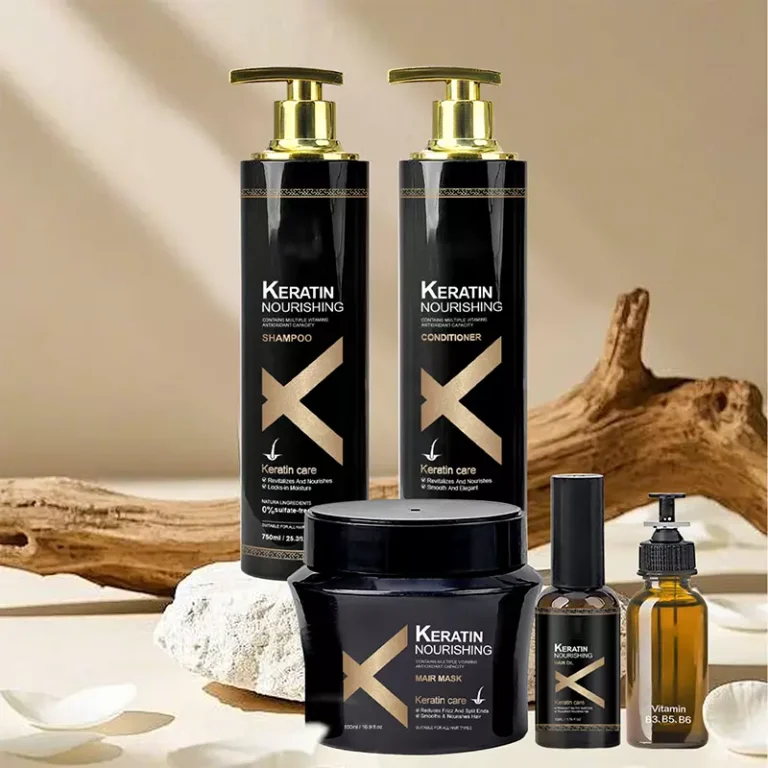
Private label shampoo pricing isn’t a one-size-fits-all figure—it’s shaped by a complex interplay of ingredients, packaging, production volume, and customization. Raw materials are the biggest cost driver: organic, sustainably sourced ingredients like argan oil or hydrolyzed keratin can increase base costs by 20-30% compared to synthetic alternatives. Packaging also plays a critical role; premium glass bottles with custom labels cost significantly more than standard plastic containers. Production volume is another key factor: ordering 5,000 units might cost $3.50 per bottle, while a 50,000-unit order could drop to $1.80 per unit due to economies of scale. Additionally, custom formulations, such as sulfate-free or color-protecting formulas, can add $0.50-$1.20 per unit in development costs.
1.2 Breaking Down the Cost Structure
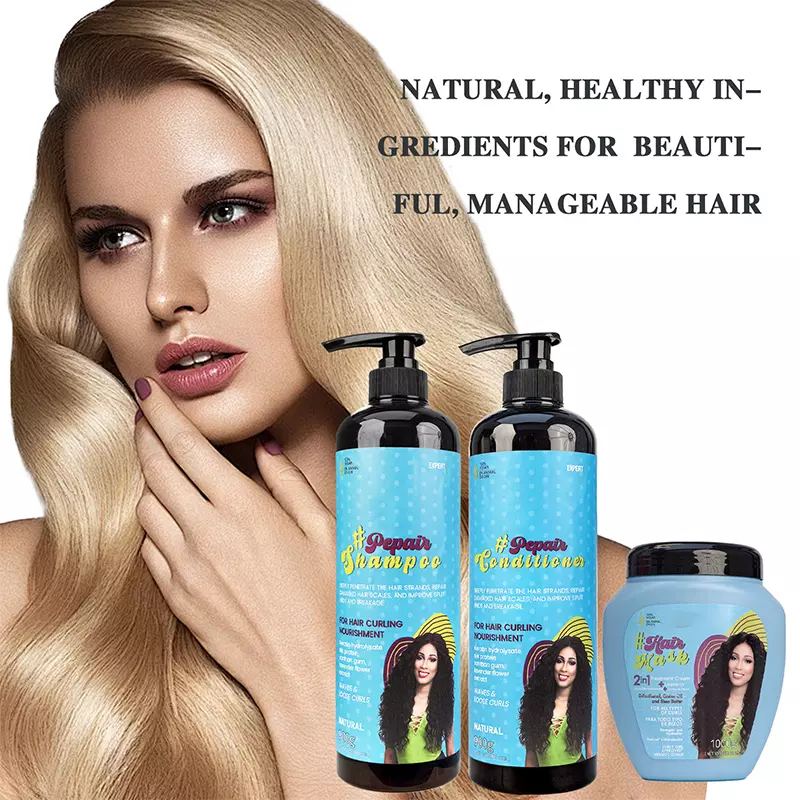
To understand private label shampoo pricing, it’s essential to break down the cost structure into its core components. The base formula typically accounts for 30-40% of the total cost, including raw materials, labor, and manufacturing overhead. Packaging makes up another 25-35%, with costs varying based on material type, design complexity, and labeling. Shipping and logistics can add 5-15% depending on the distance and shipping method, while taxes and fees contribute 3-8%. Finally, profit margins for the private label manufacturer usually range from 15-25%, depending on the level of service and customization provided. For example, a basic 8oz shampoo bottle might cost $2.20 to produce, with $0.70 in ingredients, $0.60 in packaging, $0.30 in shipping, $0.15 in taxes, and $0.45 in manufacturer profit.
Ingredient Costs: Quality vs. Affordability
2.1 Premium vs. Budget Raw Materials
The choice between premium and budget raw materials has a direct impact on private label shampoo cost. Premium ingredients like organic shea butter, tea tree oil, and silk proteins offer superior performance and appeal to eco-conscious consumers but come at a higher price point. For instance, organic coconut oil costs $12-$18 per gallon, compared to $3-$5 per gallon for conventional coconut oil. On the other hand, budget ingredients like sodium lauryl sulfate (SLS) and parabens are cheaper but may alienate consumers seeking clean beauty products. It’s important to balance quality and affordability based on your target market: luxury brands can justify higher costs with premium ingredients, while value-focused brands may opt for cost-effective alternatives that still meet basic quality standards.
2.2 The Cost of Custom Formulations
Custom formulations allow you to create a unique shampoo that stands out in the market, but they also add to the overall cost. Developing a custom formula involves research, testing, and collaboration with a cosmetic chemist, which can cost $1,500-$5,000 upfront, depending on the complexity. Once the formula is finalized, production costs may increase by 10-20% due to specialized ingredients or manufacturing processes. For example, a shampoo with a pH-balanced formula for sensitive scalps requires precise ingredient ratios and additional testing, adding $0.80-$1.50 per unit. However, custom formulations can also command higher retail prices, making the investment worthwhile for brands targeting niche markets.
Packaging Costs: Design, Materials, and Branding
3.1 Choosing the Right Packaging Materials
Packaging materials significantly influence private label shampoo cost and brand perception. Plastic is the most common and affordable option, with HDPE bottles costing $0.20-$0.50 each for standard sizes. Glass bottles offer a premium look but are more expensive ($0.80-$2.00 each) and heavier, increasing shipping costs. Sustainable materials like recycled plastic or bamboo are growing in popularity but may cost 15-30% more than traditional options. Pump dispensers, flip-top caps, and spray nozzles add $0.10-$0.30 per unit, while custom labeling with embossing or foil stamping can increase costs by $0.20-$0.50 per bottle. For example, a 10oz shampoo in a recycled plastic bottle with a pump dispenser and custom label might cost $1.10, compared to $0.40 for a basic plastic bottle with a printed label.
3.2 The Impact of Branding on Packaging Costs
Branding elements like logo design, color schemes, and label artwork can add to packaging costs but are crucial for building brand identity. Custom label design services typically cost $500-$2,000, depending on the complexity, while printing costs vary based on the number of colors and finish. Matte or glossy coatings, embossed logos, and metallic accents can increase label costs by 20-40%. Additionally, unique bottle shapes or custom molds require upfront tooling costs of $1,000-$5,000, which may be prohibitive for small brands. However, investing in distinctive packaging can help your product stand out on store shelves and justify higher retail prices. For example, a shampoo with a unique curved bottle shape and metallic logo might cost $1.80 per unit but can be sold for $12-$15, compared to $8-$10 for a standard bottle.
Production Volume and MOQs: Scaling Your Brand
4.1 How Minimum Order Quantities (MOQs) Affect Pricing
Minimum Order Quantities (MOQs) are a key consideration in private label shampoo pricing, as they directly impact per-unit costs. Most manufacturers require MOQs of 1,000-5,000 units for basic formulations, with higher MOQs for custom products. Ordering at or above the MOQ can significantly reduce per-unit costs due to economies of scale. For example, an MOQ of 1,000 units might cost $4.00 per bottle, while 10,000 units could drop to $2.10 per unit. However, high MOQs can be a barrier for small brands or startups with limited capital. Some manufacturers offer flexible MOQs for an additional cost, such as a 10-15% premium for orders below the standard MOQ. It’s important to balance your budget with your sales projections to determine the optimal order quantity.
4.2 Scaling Production: Cost Savings and Challenges
As your brand grows, scaling production can lead to significant cost savings. Increasing order volume allows you to negotiate better prices with suppliers, reduce per-unit labor costs, and take advantage of bulk shipping discounts. For example, moving from 5,000 to 20,000 units might lower per-unit costs by 30-40%, from $2.80 to $1.70 per bottle. However, scaling production also presents challenges, such as managing inventory storage, ensuring consistent quality, and maintaining cash flow. It’s important to work with a manufacturer that can accommodate your growth and provide flexible production schedules. Additionally, investing in inventory management software can help you track stock levels and avoid overordering or stockouts.
Additional Costs to Consider
5.1 Shipping, Taxes, and Logistics
Shipping and logistics costs are often overlooked but can add a significant amount to private label shampoo pricing. The cost depends on the shipping distance, package weight, and delivery speed. For domestic orders, ground shipping typically costs $0.20-$0.50 per unit, while expedited shipping can be $1.00-$2.00 per unit. International shipping is more expensive, with costs ranging from $1.50-$3.50 per unit, depending on the destination and customs fees. Taxes and duties also vary by country, with some countries imposing tariffs of 10-20% on imported cosmetics. To reduce shipping costs, consider consolidating orders, using lightweight packaging, and negotiating bulk shipping rates with carriers. Additionally, working with a freight forwarder can help you navigate international shipping regulations and minimize customs fees.
5.2 Regulatory Compliance and Testing Costs
Regulatory compliance is a critical aspect of private label shampoo production, and non-compliance can result in fines or product recalls. Depending on your target market, you may need to comply with regulations from the FDA (U.S.), EU Cosmetics Regulation, or other local authorities. Testing requirements include stability testing, microbiological testing, and safety assessments, which can cost $1,000-$3,000 per product. Additionally, labeling compliance requires accurate ingredient listings, warning statements, and product claims, which may require legal review. It’s important to factor these costs into your budget and work with a manufacturer that has experience in regulatory compliance. For example, a shampoo sold in the EU must comply with the EU Cosmetics Regulation, which requires safety assessments and ingredient registration, adding $2,000-$4,000 in compliance costs.
Negotiating with Private Label Manufacturers
6.1 Tips for Getting the Best Pricing
Negotiating with private label manufacturers can help you reduce costs and get the best value for your investment. Start by researching multiple manufacturers to compare prices, services, and quality. Ask for detailed quotes that break down costs by ingredient, packaging, and production volume. Be prepared to negotiate on MOQs, payment terms, and additional services like design or shipping. For example, you might offer to pay a deposit upfront in exchange for a 5-10% discount, or agree to a higher MOQ in return for lower per-unit costs. Additionally, building a long-term relationship with a manufacturer can lead to better pricing and priority service over time. Don’t be afraid to ask for references or samples to ensure the manufacturer can meet your quality standards.
6.2 Avoiding Hidden Costs
When working with private label manufacturers, it’s important to watch out for hidden costs that can inflate your budget. Common hidden costs include setup fees for custom formulations, artwork revisions, or rush orders. Some manufacturers may also charge extra for storage, rework, or quality control inspections. To avoid surprises, make sure all costs are clearly outlined in the contract, including any potential fees for changes or additional services. Ask for a detailed breakdown of all charges and clarify any ambiguous terms. For example, a manufacturer might quote $2.00 per unit but add a $500 setup fee for custom labeling, which increases the total cost for a 1,000-unit order to $2,500 instead of $2,000.
Calculating Your Retail Price and Profit Margins
7.1 Pricing Strategies for Private Label Shampoo
Setting the right retail price for your private label shampoo requires balancing production costs, market demand, and competitor pricing. A common strategy is to use a cost-plus pricing model, where you add a markup to the production cost to cover overhead and profit. For example, if your production cost is $2.50 per unit, a 3x markup would result in a retail price of $7.50. Alternatively, value-based pricing considers the perceived value of your product to customers. If your shampoo uses premium organic ingredients and targets luxury consumers, you might set a higher price of $12-$15 per bottle, even if the production cost is only $3.00. Competitive pricing involves matching or undercutting competitors’ prices, which can be effective for entering a crowded market but may limit profit margins.
7.2 Maximizing Profit Margins
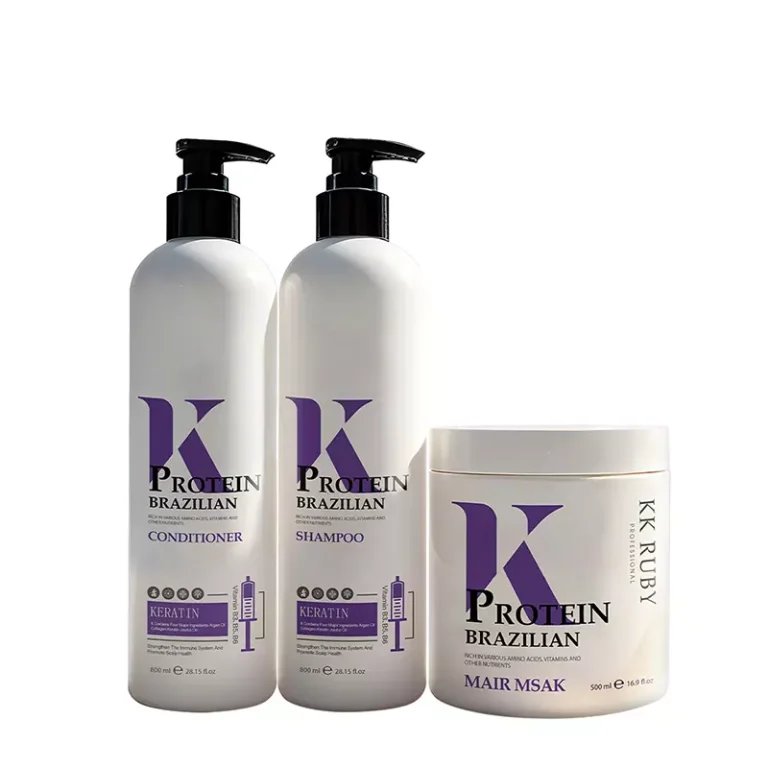
To maximize profit margins, it’s essential to optimize your cost structure and pricing strategy. Start by negotiating better prices with suppliers and manufacturers, especially as your order volume increases. Look for ways to reduce packaging costs without compromising quality, such as using standard bottle sizes or simplifying label designs. Additionally, consider offering bundle deals or subscription services to increase average order value. For example, a “hair care kit” with shampoo, conditioner, and a hair mask can be sold for $25-$30, compared to $10-$12 for individual products. Finally, focus on building brand loyalty through exceptional customer service and marketing, which can allow you to charge premium prices and reduce customer acquisition costs.
Ready to Navigate Private Label Shampoo Costs?
Understanding private label shampoo cost is crucial for building a successful brand that’s both profitable and competitive. By breaking down the cost structure, negotiating with manufacturers, and implementing smart pricing strategies, you can create a high-quality product that meets your budget and resonates with customers. Whether you’re a startup or an established brand, investing in research and planning will help you make informed decisions and avoid costly mistakes. If you’re ready to explore private label shampoo options, private label shampoo cost can provide you with a detailed quote and personalized guidance. Don’t let pricing uncertainties hold you back—start building your dream hair care brand today!
CTA 1: Have questions about private label shampoo costs? Message us on WhatsApp now for a free pricing consultation! 📱
CTA 2: Ready to get a customized quote? Visit private label shampoo cost to submit your requirements and receive a detailed breakdown of costs. 📋
CTA 3: Want to learn more about private label manufacturing? Follow us on LinkedIn for industry insights and expert tips! 🔗
CTA 4: Need help with formulation or packaging design? Our team of specialists is here to assist you. Contact us on WhatsApp to discuss your project! 🎨
CTA 5: Don’t wait to launch your private label shampoo line. Take the first step today—message us on WhatsApp to start your journey! 💼