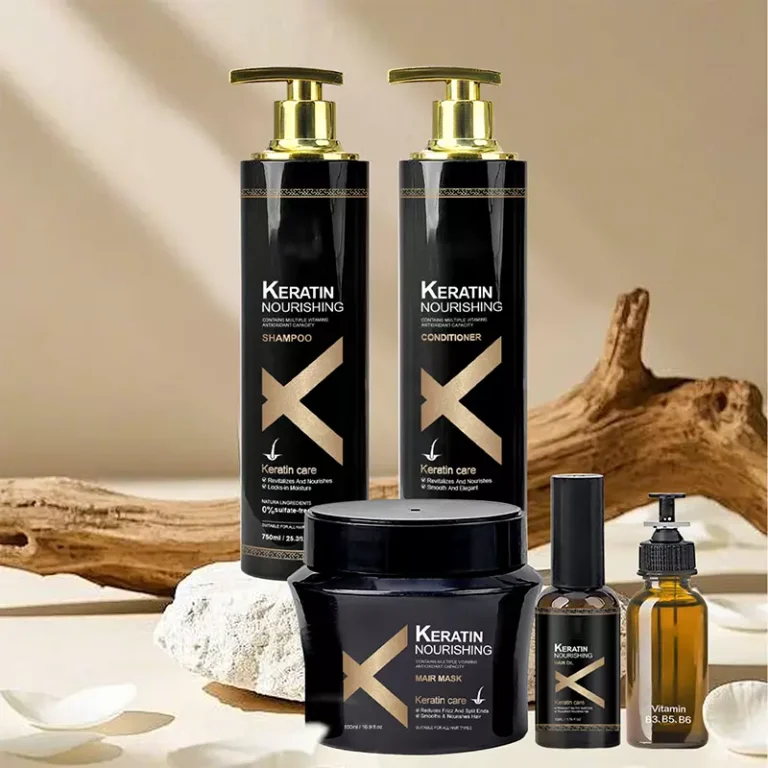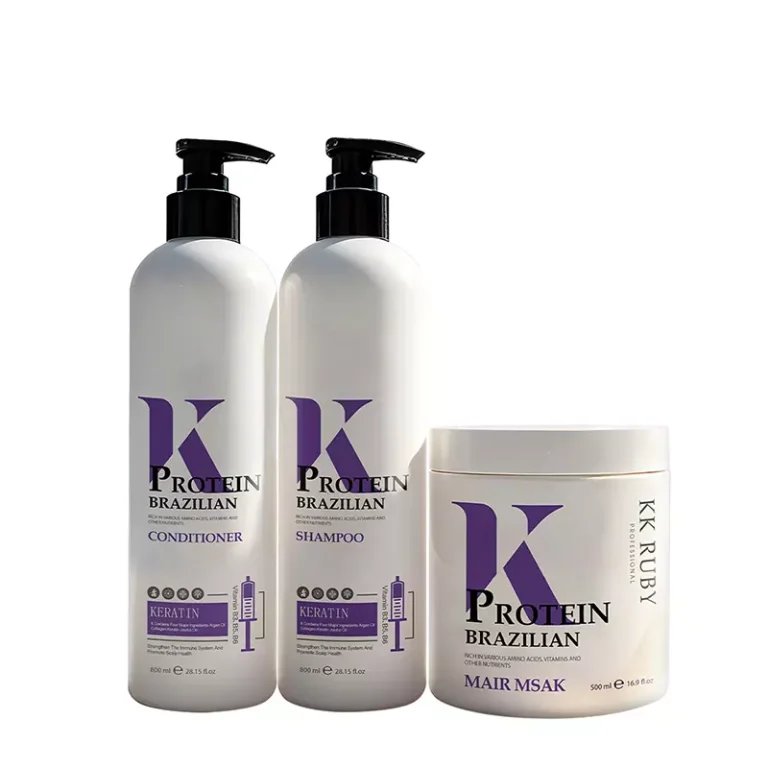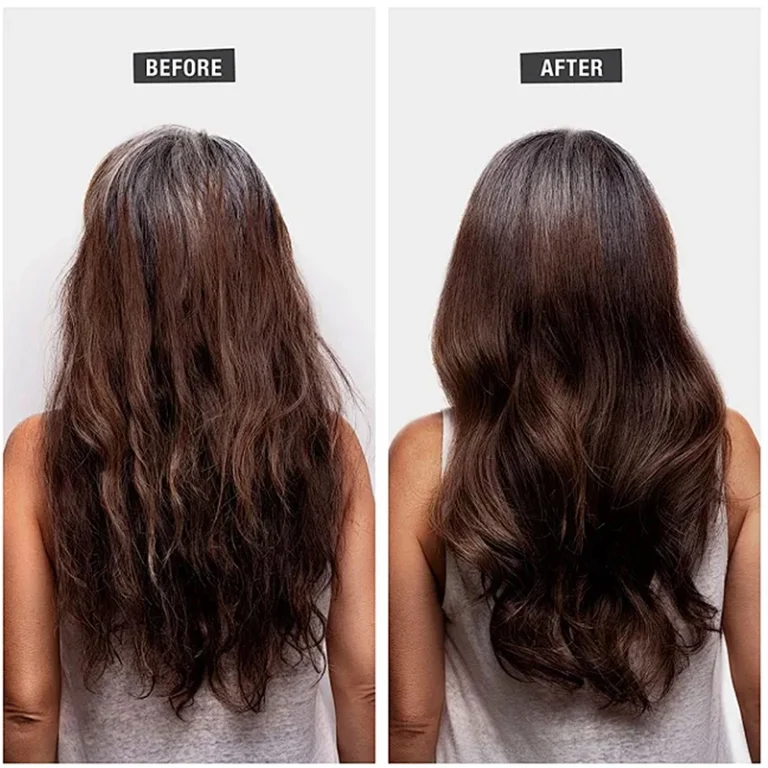
Shampoo OEM Manufacturer: The Ultimate Guide to Private Label Excellence in 2025
Why Shampoo OEM Manufacturers Are the Backbone of Private Label Brands
The Strategic Value of OEM Partnerships
A shampoo OEM manufacturer is more than a production partner—it’s a catalyst for brand growth. For startups and established brands alike, OEMs eliminate the need for in-house manufacturing infrastructure, reducing upfront costs by 60% and cutting time-to-market by 50%. A 2024 industry report found that 82% of private label haircare brands attribute their scalability to OEM collaborations, with revenue growth rates 3x higher than brands using in-house production.
Key Advantages of Working with a Shampoo OEM Manufacturer
Customization Flexibility: From formula tweaks to packaging design, OEMs adapt to brand identity (e.g., vegan, organic, or luxury positioning).
Regulatory Expertise: OEMs navigate global compliance (FDA, EU CPNP, ASEAN) to ensure market access.
Cost Efficiency: Bulk raw material sourcing and automated production reduce per-unit costs by 25-40%.
Core Capabilities of a Top-Tier Shampoo OEM Manufacturer
Advanced Formulation & R&D
Leading OEMs invest 15-20% of revenue in R&D, with teams of chemists developing 200+ custom formulas annually. For example, Guangzhou OEM Innovations uses AI-driven trend analysis to create shampoos tailored to regional preferences (e.g., anti-pollution formulas for Asian markets). They also offer stability testing and clinical trials to validate product efficacy.
State-of-the-Art Manufacturing Infrastructure
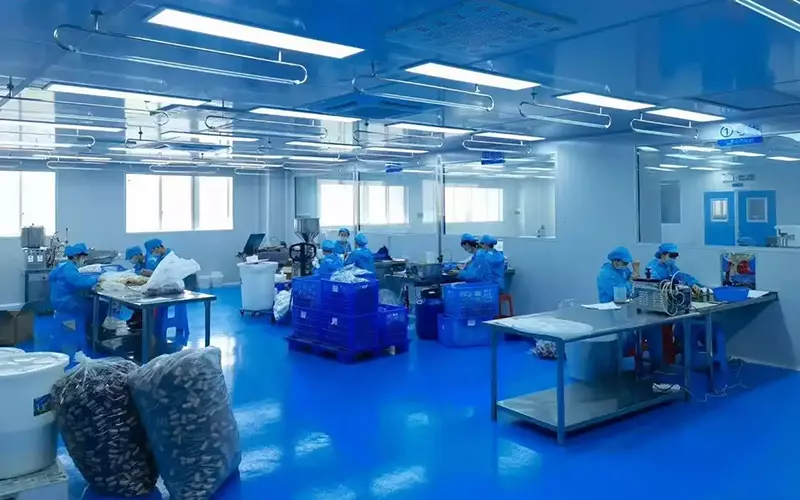
Modern OEM facilities feature ISO 7 cleanrooms, automated filling lines, and real-time quality control. Shanghai Precision Labs uses robotic packaging systems that reduce error rates to 0.01% and increase output by 600% compared to manual processes. Their traceability systems track every batch from raw material to finished product.
Quality Control & Compliance Standards
Rigorous Testing Protocols
Every shampoo batch undergoes 25+ quality checks, including:
Microbiological testing (to eliminate bacteria/fungi).
Heavy metal analysis (ICP-MS technology for ppm-level accuracy).
Sensory testing (scent, texture, and lather consistency).
Factories like Beijing Quality Assurance hold ISO 17025 accreditation, ensuring test results are globally recognized.
Global Certification & Market Access
Top OEMs maintain certifications for 10+ markets, including:
EU CPNP (European Union).
US FDA (Food and Drug Administration).
Halal (for Muslim-majority regions).
Leaping Bunny (cruelty-free).
This ensures products meet local regulations without additional testing.
Sustainability Practices in Shampoo OEM Manufacturing
Eco-Friendly Production Processes
Leading OEMs reduce their carbon footprint by:
Using solar-powered factories (e.g., Green OEM Solutions cuts emissions by 70% annually).
Implementing closed-loop water systems (reusing 98% of production water).
Adopting biodegradable packaging (sugarcane-based bottles and compostable labels).
Ethical Sourcing of Raw Materials
OEMs prioritize transparency in their supply chains:
Organic ingredients from Fair Trade-certified farms in Yunnan and Brazil.
Palm oil alternatives (e.g., shea butter from Ghanaian women’s cooperatives).
Non-GMO and cruelty-free sourcing (compliant with PETA standards).
How to Select the Right Shampoo OEM Manufacturer
Step-by-Step Evaluation Process
Define Brand Goals: Specify target market, product type (e.g., anti-dandruff, color-safe), and volume requirements.
Shortlist OEMs: Evaluate R&D capabilities, production capacity, and client testimonials (e.g., check for case studies with similar brands).
Request Samples: Test 3-5 formula variations to assess quality and consistency.
Negotiate Terms: Clarify pricing, lead times, and IP protection (e.g., non-disclosure agreements).
Red Flags to Avoid
Lack of Transparency: OEMs that refuse to share production facilities or test reports.
Inflexible Minimum Order Quantities (MOQs): Startups should avoid OEMs with MOQs above 5,000 units.
Poor Communication: OEMs without English-speaking account managers or slow response times.
Future Trends in Shampoo OEM Manufacturing
Technological Innovations
Personalized Formulations: AI algorithms analyze consumer data to create custom shampoos (e.g., based on hair type, climate, or lifestyle).
3D-Printed Packaging: On-demand packaging reduces waste and allows for unique designs.
Blockchain Traceability: Consumers can scan QR codes to view a product’s entire supply chain (from farm to shelf).
Market Expansion Opportunities
The OEM industry is expanding into niche segments:
CBD-infused shampoos (for hair growth and scalp health).
Zero-waste products (solid shampoos in compostable packaging).
Halal-certified lines (targeting the $2.5T global Muslim consumer market).
Case Studies: Success with Shampoo OEM Manufacturers
Case Study 1: US Clean Beauty Brand
A US-based clean beauty startup partnered with Guangzhou OEM Innovations to launch a line of vegan shampoos. The OEM developed a custom formula with organic tea tree oil and provided eco-friendly packaging. The product became a bestseller on Amazon, with 200,000 units sold in the first year and a 4.8-star rating.
Case Study 2: European Luxury Brand
A French luxury brand collaborated with Paris Premium Labs to create a line of anti-aging shampoos. The OEM used gold-infused ingredients and premium glass packaging. The product was featured in Sephora and generated $8M in revenue in 18 months.
Conclusion
Choosing the right shampoo OEM manufacturer is critical to building a successful private label brand. By prioritizing quality, sustainability, and innovation, you can create products that resonate with consumers and outperform competitors. For more information, visit our shampoo oem manufacturer page.