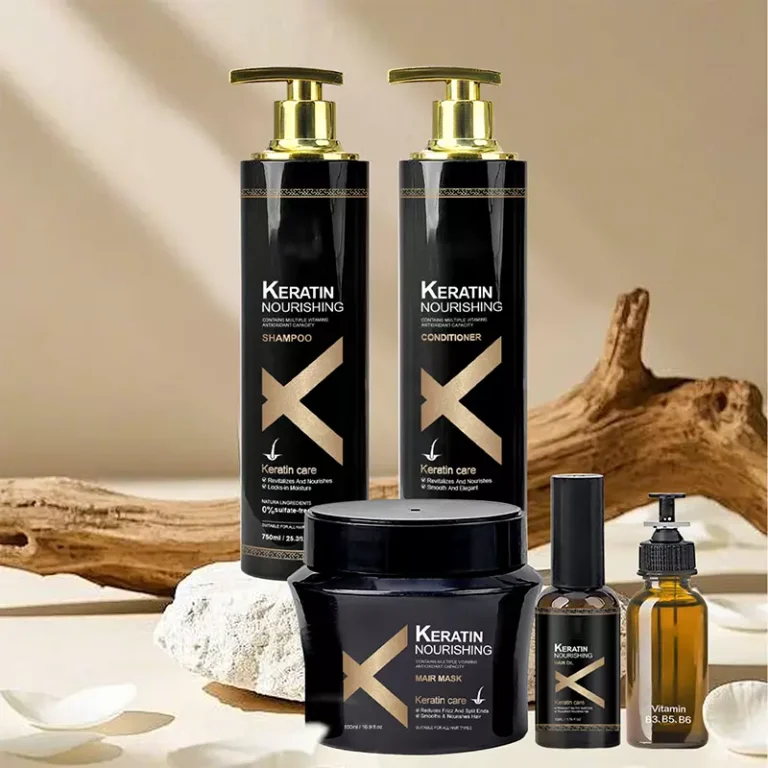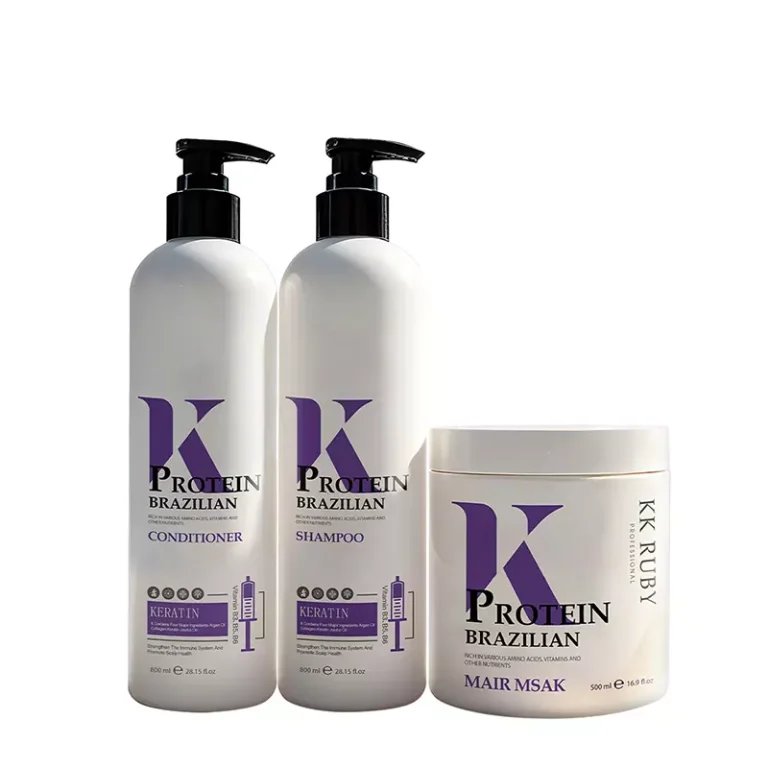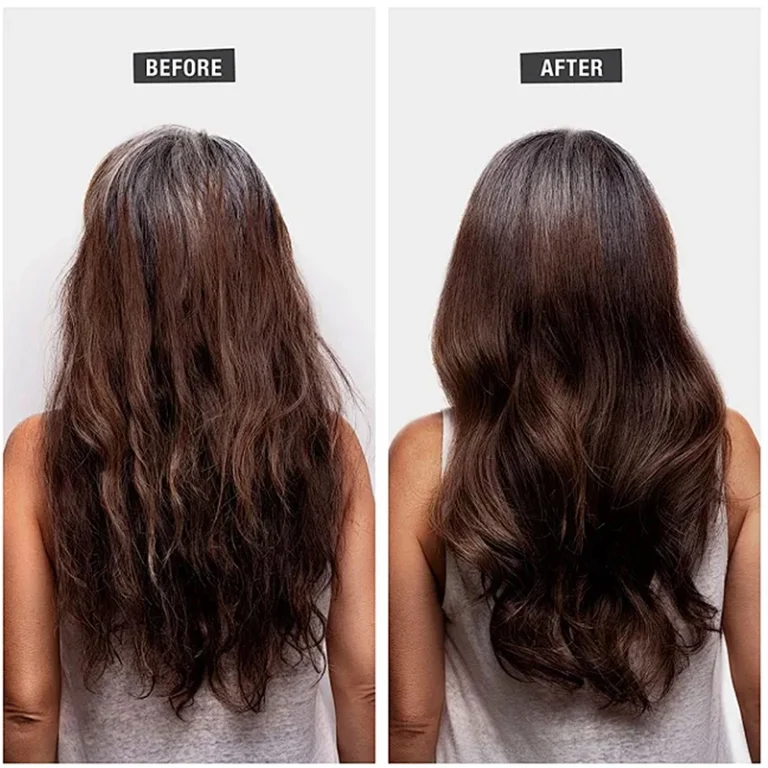
In the modern beauty and personal care landscape, the “one-size-fits-all” approach is rapidly becoming a relic of the past. Consumers today are more educated than ever, seeking products that cater to their specific hair types, scalp conditions, and even environmental footprints. For entrepreneurs, salon owners, and established beauty brands, this shift presents a massive opportunity. However, creating a high-quality, unique product from scratch requires more than just a good idea—it requires a partner with technical expertise, manufacturing power, and a commitment to quality.
This is where Custom Private Label Shampoo OEM (Original Equipment Manufacturer) services come into play. By partnering with a leader like Jindao Shampoo Manufacturer, businesses can transform a vision into a retail-ready reality without the overhead of building their own factories or laboratories.
What is Shampoo OEM?
Before diving into the specifics of customization, it is important to understand the business model. OEM (Original Equipment Manufacturing) in the hair care industry means that a factory—in this case, Jindao—manufactures products based on your specific requirements. Unlike “ODM” (Original Design Manufacturing), where you might simply put your label on an existing formula, OEM allows for deeper levels of custom shampoo development.
When you use OEM services, you control:
- The chemical composition and active ingredients.
- The scent profile and color.
- The packaging aesthetics and material.
- The specific marketing claims (e.g., “Sulfate-Free,” “Vegan,” “Anti-Pollution”).
Why Choose Jindao Shampoo Manufacturer?
Selecting a manufacturing partner is the most critical decision a brand owner will make. Jindao Shampoo Manufacturer has established itself as a premier destination for Shampoo OEM services by focusing on three core pillars: Innovation, Quality Control, and Scalability.
1. State-of-the-Art R&D
At the heart of Jindao is a sophisticated laboratory staffed by cosmetic chemists who stay ahead of global trends. Whether you want to incorporate trending ingredients like rosemary oil for growth or fermented rice water for strength, the R&D team ensures the formula remains stable, safe, and effective.
2. High-Standard Production Facilities
Jindao operates under strict International Organization for Standardization (ISO) and Good Manufacturing Practice (GMP) guidelines. This ensures that every bottle of custom shampoo leaving the line is free from contaminants and consistent in its chemical makeup.
3. Sustainable Practices
In 2026, “Green Beauty” is no longer a niche; it is a requirement. Jindao offers eco-friendly manufacturing processes, including biodegradable formula options and recycled packaging materials, helping your brand appeal to the environmentally conscious consumer.
The Step-by-Step Process of Creating Your Custom Shampoo
Launching a private label product can seem daunting, but the OEM process is designed to be a streamlined journey from concept to shelf.
Phase 1: Consultation and Conceptualization
Every great product starts with a conversation. In this initial stage, you work with Jindao’s project managers to define your target audience. Are you targeting professional salons, luxury boutiques, or mass-market e-commerce? This determines the ingredient “hero” list and the price point.
Phase 2: Formula Development
Once the concept is set, the chemists begin the custom shampoo formulation. This involves balancing surfactants (cleaning agents), conditioners, and specialized actives.
Note: If you are looking for a “clean” formula, this is the stage where synthetic silicones and parabens are swapped for natural alternatives that provide the same “slip” and shine.
Phase 3: Sampling and Feedback
You will receive “benchmark” samples. This is your opportunity to test the product in real-world conditions. Does it lather enough? Does the scent linger too long? Jindao prides itself on an iterative process, refining the formula until it meets your exact expectations.
Phase 4: Packaging and Brand Design
While the lab works on the liquid, the design team helps you select the vessel. The choice of a pump, a squeeze bottle, or a sustainable aluminum tin can drastically change the perceived value of your brand.
Phase 5: Mass Production and Quality Assurance
After the final “Golden Sample” is approved, mass production begins. Automated filling lines ensure speed and precision, while QC (Quality Control) officers conduct spot checks on pH levels, viscosity, and seal integrity.
Key Trends in Custom Shampoo Formulation for 2026
To succeed in a crowded market, your Shampoo OEM project should tap into what consumers are currently craving. Here are the top trends Jindao is currently helping brands navigate:
| Trend Category | Focus Ingredients | Consumer Benefit |
| Scalp Microbiome | Probiotics, Prebiotics | Balances the “good bacteria” on the scalp to prevent irritation and dandruff. |
| Skinification | Hyaluronic Acid, Niacinamide | Treats hair with the same level of care as facial skin. |
| Fragrance Layering | Encapsulated Scents | Allows the pleasant smell to release slowly throughout the day. |
| Solid Formats | Shampoo Bars, Concentrated Pastes | Zero-plastic waste and travel-friendly. |
Understanding Costs and MOQs
One of the most frequent questions regarding Shampoo OEM is: “How much does it cost?” The cost of a custom shampoo is influenced by three main factors:
- Ingredient Quality: Organic extracts and patented active ingredients will increase the cost per unit compared to standard formulas.
- Packaging Complexity: Custom-molded bottles or high-end silk-screen printing costs more than standard labels.
- Volume (MOQ): Minimum Order Quantities are a reality of manufacturing. While Jindao offers flexible solutions for growing brands, higher volumes significantly lower the cost per bottle due to economies of scale.
Selling hair care products requires more than just a great formula; it requires legal clearance. When you work with Jindao Shampoo Manufacturer, you benefit from their experience in global regulations.
Whether you are selling in the United States (FDA), the European Union (CPNP), or China (NMPA), the OEM service includes providing the necessary documentation, ingredient listings (INCI names), and safety data sheets (MSDS) to ensure your product isn’t held up at customs or removed from retail shelves.
Why “Private Label” is a Strategic Business Move
For many business owners, the question is whether to build a brand or just sell someone else’s. Choosing Private Label Shampoo OEM services offers several strategic advantages:
- Higher Profit Margins: By cutting out the “middleman” brand and going straight to the manufacturer, you retain a much larger portion of the retail price.
- Brand Loyalty: When a customer falls in love with your custom formula, they can only get it from you. This creates a “moat” around your business that competitors cannot easily cross.
- Agility: If a new ingredient becomes a viral sensation on social media, an OEM partner like Jindao can help you pivot and launch a new SKU (Stock Keeping Unit) much faster than a traditional corporate structure.
The Future of Hair Care starts with OEM
The hair care market is moving toward a future of personalization and transparency. Consumers want to know what is in their bottle, who made it, and why it works. By leveraging the Shampoo OEM expertise of Jindao Shampoo Manufacturer, you are not just buying a product; you are investing in a partnership that values your brand’s unique identity as much as you do.
From the first drop of oil in the mixing vat to the final label applied on the assembly line, every step is a testament to the power of modern manufacturing. If you have a vision for a custom shampoo that can change the way people care for their hair, the tools, the technology, and the expertise are ready and waiting.