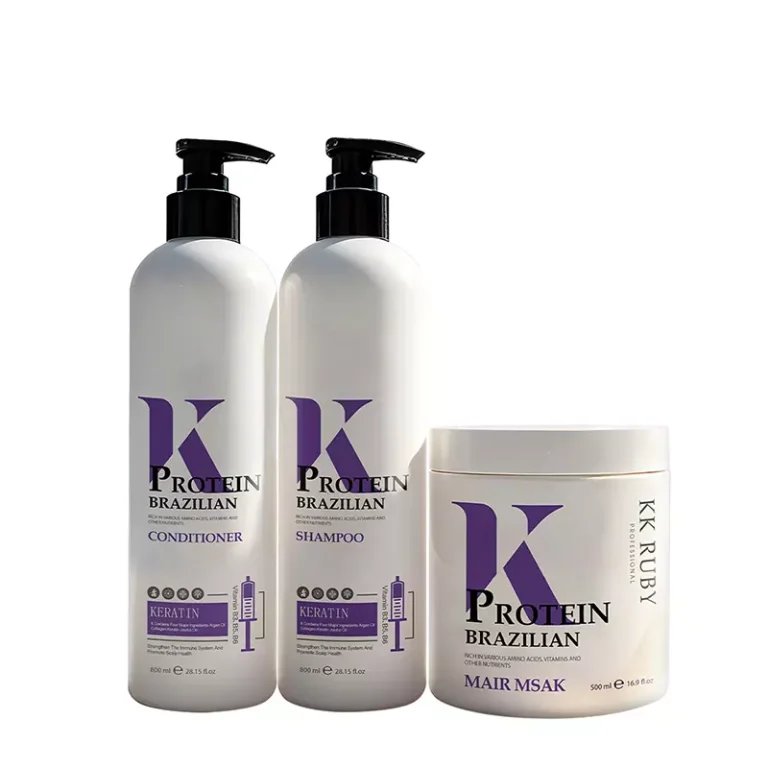
When looking for a shampoo supplier, whether you are a retailer, salon owner, or someone purchasing in bulk, choosing the right supplier is crucial for success. A reliable supplier can provide high-quality products, stable supply, competitive pricing, and excellent customer service. With the growing demand for organic, eco-friendly, and cruelty-free products, the shampoo supply market has become more diverse than ever.
This article will outline the key factors to consider when choosing a supplier and explore the pros and cons of local versus international suppliers, helping you make an informed decision.
Key Factors in Choosing a Shampoo Supplier
1. Product Quality and Certifications
Quality control should be your top priority when selecting a supplier. High-quality shampoo not only enhances your brand image but also builds customer trust. Look for suppliers who adhere to international or national standards, such as GMP (Good Manufacturing Practice), ISO certification, or FDA approval. Certifications for organic, cruelty-free, or vegan products are also increasingly important to modern consumers.
2. Formulations and Ingredients
Consumers are becoming more conscious about shampoo ingredients, preferring natural, sulfate-free, preservative-free, or formulations suitable for sensitive skin. A supplier’s ability to offer a variety of formulations directly affects your competitiveness in the market. If you run a salon or retail business, providing high-quality, eco-friendly options can significantly boost customer satisfaction and loyalty.
3. Pricing and Minimum Order Quantities (MOQ)
Pricing is a key factor in procurement decisions. The supplier’s price should reflect the product quality while fitting your budget. Understanding the supplier’s minimum order quantity (MOQ) is also essential. For startups or small-scale buyers, suppliers with low MOQs and flexible ordering policies are ideal, allowing you to test the market without overcommitting.
4. Logistics and Delivery Reliability
Timely delivery is critical for both retailers and salons. When evaluating suppliers, check their inventory status, order lead times, and shipping methods. If sourcing from international suppliers, consider shipping costs, customs policies, and potential delays. Reliable logistics and consistent supply ensure smooth business operations.

Local vs. International Suppliers
Local Suppliers: Advantages and Disadvantages
Advantages:
- Faster delivery and shorter lead times
- Lower shipping costs
- Easier communication for problem-solving
Disadvantages:
- Limited product variety and fewer innovative formulas
- Potentially higher unit costs
International Suppliers: Advantages and Disadvantages
Advantages:
- Wider product selection, including unique or innovative formulas
- Competitive pricing for bulk orders
Disadvantages:
- Higher shipping costs and possible customs duties
- Longer lead times and potential language or time zone barriers
Choosing between local or international suppliers depends on your purchasing needs, budget, and target customer preferences.
The Importance of Sustainable and Eco-Friendly Suppliers
With increasing environmental awareness, eco-friendly shampoos are in high demand. When evaluating suppliers, consider:
- Use of natural, biodegradable ingredients
- Recyclable or refillable packaging
- Environmental certifications such as Fair Trade or Rainforest Alliance
Partnering with eco-conscious suppliers not only meets market trends but also enhances brand reputation and customer loyalty.
Selecting the right shampoo supplier is essential for ensuring product quality, consistent supply, and sustainable business growth. By considering factors such as quality, pricing, logistics, customer service, and sustainability, you can find a supplier that meets your needs. Whether you choose a local or international supplier, ensuring alignment with your business goals will help you stand out in a competitive market.