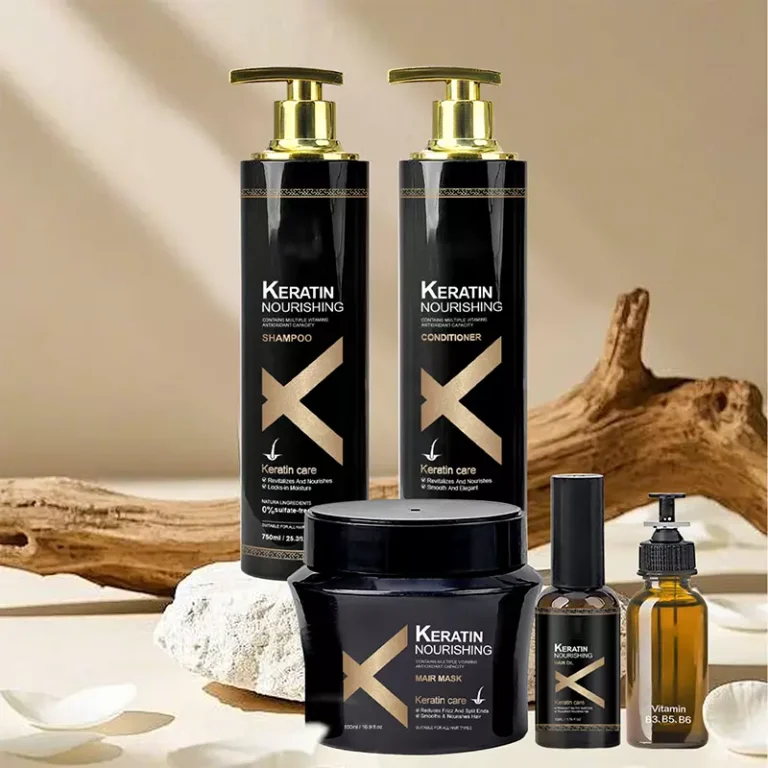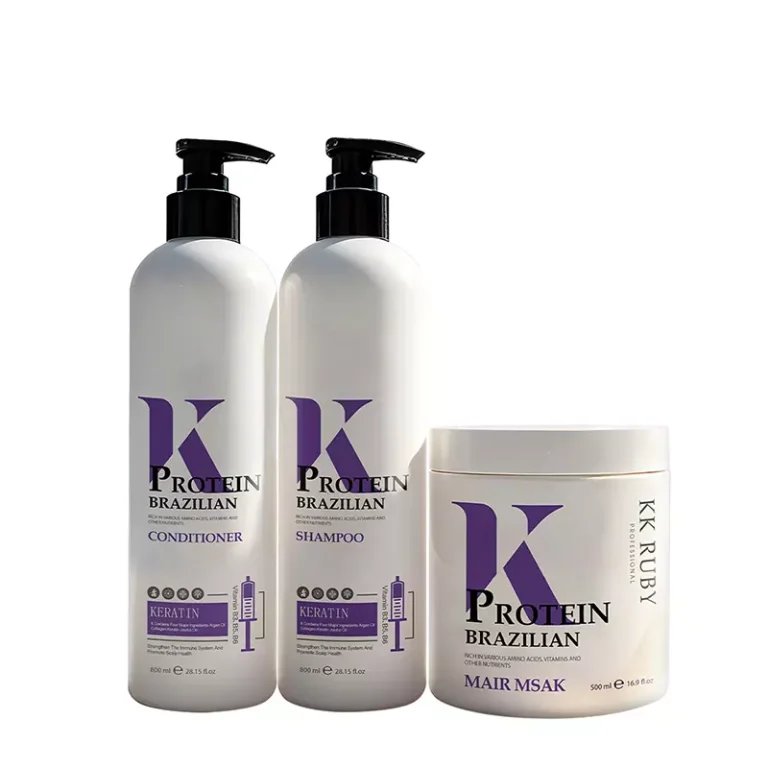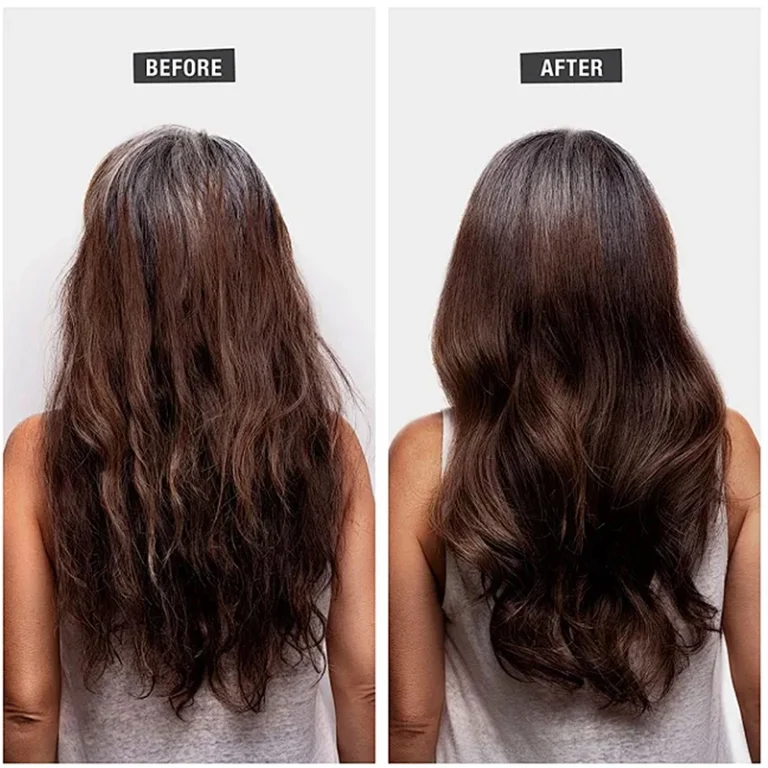
In the daily chemical industry, the shampoo market remains consistently active and competitive. For many entrepreneurs and companies hoping to establish or develop personal care brands, in-house production faces high barriers in terms of technology, equipment, and regulations. Seeking cooperation with professional OEMs (Original Equipment Manufacturers) has become an efficient and feasible path. A high-quality shampoo OEM partner can not only transform the brand’s concepts into safe, stable products that meet market expectations, but also lay a solid foundation for the brand’s long-term development and market success. So, how do you identify and choose the right partner? This requires systematic consideration and professional knowledge.
I. Why is choosing shampoo OEM cooperation a key step in brand development?
For emerging brands or companies seeking to expand their product lines, the advantages of the OEM model are obvious. It allows brands to focus their resources on core strengths, such as market research, brand building, channel development, and customer service, while outsourcing complex production processes to specialized partners. This not only significantly shortens the product development cycle from concept to market but also leverages the shampoo OEM manufacturer’s R&D capabilities, mature supply chain, and rigorous quality control system to ensure basic product quality and avoid the huge capital investment and management risks associated with building one’s own factory. In short, choosing the right OEM partner means gaining reliable back-end support for the brand, a high-quality guarantee for winning consumer trust in the market.
II. Core Considerations for Selecting High-Quality Shampoo OEM Partners
Choosing a partner cannot be based solely on intuition or a single factor; it requires a comprehensive evaluation from multiple dimensions. Here are some key considerations:
1. R&D and Formulation Capabilities
This is the core competitiveness of Shampoo OEM manufacturers. High-quality manufacturers should possess independent R&D teams and laboratories, capable of providing scientific, safe, and distinctive formulation solutions based on market demands and brand positioning. They not only master basic cleansing and conditioning technologies but also focus on niche areas such as scalp health, hair repair, and sensory experience, and can address market trends towards natural ingredients and gentle systems. Brands should examine their R&D history, the richness of their formula library, and their ability to develop customized solutions.
2. Production Qualifications and Quality Control
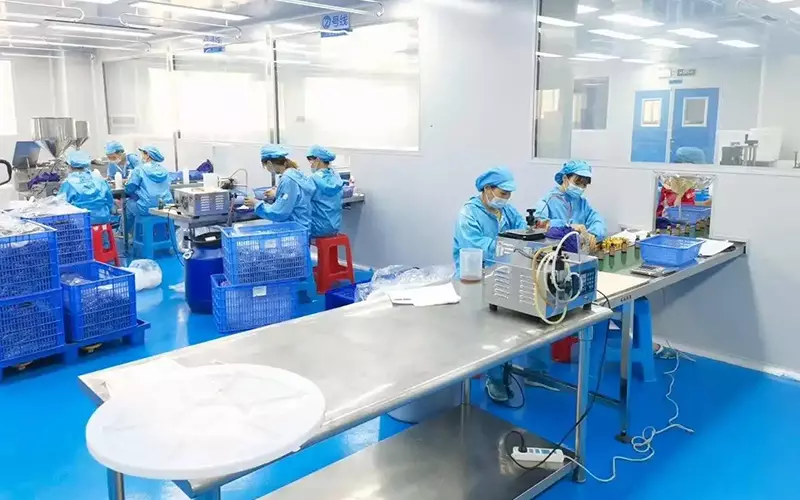
Compliance is the bottom line. Our partners possess diverse and legal production licenses, and their production environments (such as GMPC or ISO22716 certifications) comply with internationally recognized Good Manufacturing Practices (GMP) for cosmetics. A rigorous quality control system covers the entire chain from raw material warehousing and production to finished product delivery, including strict audits of raw material suppliers, monitoring of the production process, and multi-indicator testing of semi-finished and finished products (such as microorganisms, heavy metals, and physicochemical indicators). This ensures that every bottle of shampoo leaving the factory is safe, stable, and meets registration requirements.
3. Supply Chain and Production Capacity Stability
A stable supply of raw materials and efficient production capacity are the foundation for ensuring market supply. High-quality Shampoo OEM manufacturers typically have established long-term partnerships with well-known domestic and international raw material suppliers, ensuring the quality and stability of core ingredients and effectively responding to market price fluctuations. Their production line configuration, automation level, and capacity planning should be able to meet the needs of brands at different stages of development, handling both small-batch trial production and large-scale mass production orders with ease and on-time delivery.
4. Service Awareness and Collaboration Capabilities
Shampoo OEM cooperation is not merely a production outsourcing arrangement, but a deep partnership. Excellent partners are equipped with professional customer service teams that provide clear, timely, and professional communication and services, from project coordination, sampling and testing, and filing support to production follow-up. They understand the brand’s unique philosophy and are willing to collaborate to explore and transform brand ideas into feasible product solutions, rather than simply mechanically executing production orders.

III. Specific Case Studies to Understand a Partner’s Comprehensive Strength – Guangzhou Jindao Cosmetics Co., Ltd.
Guangdong Province in China is home to numerous daily chemical manufacturing companies, some of which have developed their own unique characteristics through years of accumulation. For example, Guangzhou Jindao Cosmetics Co., Ltd., as a member of this industry, offers a perspective on the essential elements required for a high-quality shampoo OEM through its development path and business characteristics.
This company emphasizes combining biotechnology concepts with daily chemical product research and development. This means that in formula design, they may pay more attention to the source of ingredients, biocompatibility, and the scientific validity of their mechanisms of action. They typically have standard-compliant R&D laboratories for formula screening, stability testing, and efficacy evaluation, demonstrating their emphasis on the R&D process. On the production side, their factory facilities are designed according to industry standards, possessing multiple automated or semi-automated filling production lines capable of handling the production needs of shampoos with different viscosities and packaging forms, ensuring efficiency and basic quality control in the production process. Companies of this scale often establish testing processes from raw materials to finished products to ensure that their products meet relevant national standards. For brand clients, they offer a one-stop service, from market trend analysis, concept suggestions, formula development, sample provision, registration assistance to mass production. This end-to-end service capability reduces communication costs in intermediate stages for many startups or growing brands, allowing them to focus more on the front-end market.
It’s important to clarify that this example is not intended to represent a high standard or a reliable choice, but rather to illustrate that when selecting partners, brands should conduct on-site investigations, verification, and evaluation of similar companies according to the aforementioned core dimensions to determine if their capabilities align with their brand’s development stage, product positioning, and quality requirements.
IV. Key Issues Brands Need to Focus on During the Collaboration Process
Selecting a partner is just the beginning; a smooth collaboration process is equally important. Below are some frequently asked questions and answers to help brands clarify their responsibilities and key points of collaboration:
Q: Does the brand only need to provide ideas, and leave everything else to the Shampoo OEM?
A: Not at all. The brand needs to provide clear product positioning, target audience, price range, main efficacy claims, and specific requirements for appearance design. The clearer the input of requirements, the more accurately the OEM can develop the product. The brand should actively participate in sampling reviews, conducting actual experience and providing feedback on the product’s aroma, color, skin feel, and usage effects.
Q: How to ensure product uniqueness and avoid homogenization with other products on the market?
A: This relies on in-depth communication and collaborative innovation between the brand and the OEM. The brand can propose unique ingredient claims or conceptual inspirations, while the OEM provides professional solutions from the perspectives of technical feasibility, regulatory compliance, and cost control. Both parties jointly explore possibilities for differentiation in formulation systems, fragrance design, sensory experience, or packaging forms.
Q: Who is responsible for product registration? What is the process?
A: According to regulations, the cosmetic registrant/filer (usually the brand owner) is responsible for product quality, safety, and efficacy claims. In practice, reputable Shampoo OEMs provide crucial filing support services, including assisting with the preparation of technical documents such as formulas, manufacturing processes, and product labels, and providing experience-based guidance on the filing process. However, the brand owner, as the responsible party, is deeply involved in various aspects and ultimately confirms all submitted materials.
Q: How are quality issues defined and handled during cooperation?
A: This is clearly stipulated in the formal contract signed by both parties. The contract should detail raw material quality standards, finished product acceptance standards, the division of responsibility for quality issues, return and exchange mechanisms, and compensation liabilities. Everything is based on the contract and the sealed sample products confirmed by both parties; clear definition of rights and responsibilities is the foundation for long-term cooperation.

V. Achieving Brand Brilliance: A Strategic Partnership for Convenient Production
Ultimately, a successful Shampoo OEM cooperation should evolve from a simple contract manufacturing relationship into a strategic partnership. A high-quality OEM partner can not only produce qualified products but also serve as an external brain and support for the brand in cutting-edge R&D, industry regulations, production technology, and supply chain management. With their profound industry insights, they can provide brands with forward-looking advice on product trends; with their rich experience, they can help brands avoid potential risks in R&D and product registration.
When brands rigorously select partners with aligned philosophies and complementary capabilities, and establish a transparent, trusting, and collaborative working mechanism, they can devote more energy to understanding consumers, telling their brand story, and building their channel network. A stable, reliable, and up-to-date supply of high-quality products at the back end, combined with precise and effective brand marketing and market operations at the front end, are essential to a brand’s sustained competitiveness and bright future in the market. Investing the necessary time and effort in selecting the right shampoo OEM partner is not merely about solving production issues; it is a crucial strategic investment for the brand’s long-term development.