With the global personal care market booming, anti-dandruff shampoo, as a core category of functional hair care products, continues to experience growing demand. China, leveraging its mature supply chain, advanced production technology, and highly competitive cost advantages, has become the preferred destination for many global brands seeking OEM (Original Equipment Manufacturer) partnerships for anti-dandruff shampoo. This article provides an in-depth exploration of the current landscape, advantages, collaboration processes, and key selection criteria within China’s anti-dandruff shampoo OEM manufacturing industry, offering valuable decision-making references for brand owners.
Core Advantages of Anti-Dandruff Shampoo OEM Manufacturing in China
Technical and R&D Capabilities
Leading Chinese OEM manufacturers have evolved beyond mere “contract factories” to become solution providers with deep R&D capabilities.
Expert Application of Active Ingredients
The core of modern anti-dandruff shampoos lies in the efficacy and safety of their active ingredients. Top-tier Chinese manufacturers typically employ specialized R&D teams that conduct in-depth research on the properties of mainstream anti-dandruff agents like Zinc Pyrithione (ZPT), Ketoconazole, Selenium Sulfide, and Salicylic Acid. They are also adept at developing gentle anti-dandruff formulations based on natural plant extracts (such as tea tree oil, rosemary, licorice root extract) in response to market trends. They can provide differentiated formula solutions tailored to various scalp types (oily, dry, sensitive) and dandruff severity levels, while ensuring ingredient stability and compatibility safety.
Efficacy Verification and Quality Control
Reputable manufacturers invest in clinical testing and efficacy verification. They collaborate with dermatological research institutions to conduct patch tests, antifungal activity assessments, and consumer use trials to substantiate product claims. Stringent quality control systems adhering to international standards (such as ISO 22716, GMP) are implemented throughout the production process, from raw material sourcing to finished product inspection.
Supply Chain and Cost-Effectiveness
Complete Industrial Clusters
China boasts a comprehensive daily chemical industry chain encompassing surfactants, silicones, conditioning agents, specialty active additives, fragrances, and packaging materials. Industrial clusters, particularly in Guangdong, Zhejiang, and Jiangsu provinces, enable OEM manufacturers to rapidly source high-quality raw materials, shorten delivery lead times, and effectively control costs. They have also established stable partnerships with renowned domestic and international suppliers for specific functional ingredients required in anti-dandruff products.
Scale and Flexibility in Production
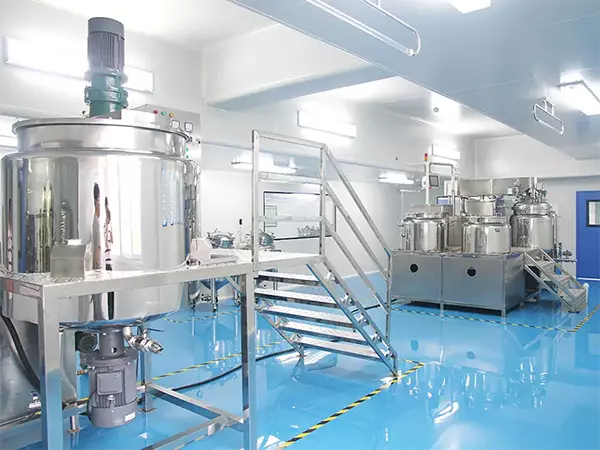
Chinese manufacturers possess large-scale, standardized production capabilities to meet the bulk order requirements of global brands, significantly reducing unit production costs. Concurrently, to adapt to rapidly changing market trends (such as sulfate-free, vegan, or silicone-free formulations), many factories are equipped with flexible small-to-medium batch production lines. This supports low-minimum-order-quantity (MOQ), multi-variant custom production, facilitating market testing or the launch of limited editions for brands.
How to Choose a Reliable Anti-Dandruff Shampoo OEM Manufacturer in China
Certifications and Compliance Capabilities
Production Licenses and Certifications
The primary consideration is whether the manufacturer possesses legitimate production qualifications. In China, cosmetic production enterprises must hold a “Cosmetics Production License” issued by the medical products regulatory authority. For anti-dandruff shampoos, which may fall under “special-use cosmetics” or products claiming specific efficacy (note: regulatory categorization varies; claims must comply with target market regulations), the partner factory must have a profound understanding and the capability to assist in completing the relevant filing or registration processes. International certifications like ISO 22716 (Cosmetics Good Manufacturing Practices) and GMPC (US or EU standards) are key indicators of their implementation of standardized management.
Environmental and Social Responsibility
Modern brands increasingly prioritize sustainability. Excellent manufacturers should have environmental protection facilities to ensure wastewater and emissions meet standards and should be committed to reducing packaging waste. Their fulfillment of social responsibilities, including employee rights protection and production safety, should also be evaluated.
R&D and Customization Service Capabilities
Formula Library and Innovation Potential
Assess whether the manufacturer has a rich and mature base formula library for anti-dandruff shampoos and can provide samples for testing. More importantly, evaluate if their R&D team can perform targeted formula adjustments or entirely new developments based on your brand philosophy, target audience, and market positioning. Examples include developing a gentle anti-dandruff product suitable for color-treated hair or a potent oil-control anti-dandruff product specifically for men.
Comprehensive One-Stop Service Support
Beyond manufacturing, a full-service OEM partner offers comprehensive support including market trend analysis, packaging design assistance, regulatory consulting (for target markets like the EU, USA, ASEAN), and logistics support. This integrated service significantly reduces the brand’s operational burden and accelerates time-to-market.
Typical Collaboration Process and Key Milestones with Manufacturers
Requirements Alignment and Proposal Development
Defining Product Specifications
The brand must clearly communicate the product vision: including target market, price positioning, key selling points (e.g., strong efficacy, gentle care, natural/organic), preferred main active ingredients, desired texture and fragrance, and packaging format. Providing competitor samples or reference products aids in more precise communication.
Proposal and Quotation
Based on the requirements, the manufacturer will provide a preliminary formula proposal, product specification suggestions, and a detailed quotation. The quotation typically covers raw material costs, production processing fees, filling fees, packaging material costs (may be separate), Minimum Order Quantity (MOQ), and testing/filing service fees, etc. Ensure transparency and a clear understanding of all items included in the quote.
Sample Development and Mass Production
Sample Development and Testing
This is a critical phase. The manufacturer produces small batches of samples based on the confirmed proposal. The brand must conduct rigorous evaluation of the samples: including sensory assessment (color, fragrance, texture, foam), user experience, and preliminary stability observation. Multiple rounds of adjustments may be necessary to finalize the sample. Simultaneously, the manufacturer should conduct necessary physical/chemical index testing and microbiological testing.
Mass Production and Quality Control
Upon sample confirmation, mass production begins. The brand should focus on the production schedule, raw material batch verification, in-process quality control records, and final product inspection reports. Some brands arrange for third-party inspections or on-site quality control personnel. Ensure the final products fully comply with the mutually agreed specifications and standards.
Common Challenges and Future Trends
Common Collaboration Challenges and Solutions
Communication and Standard Alignment
In cross-border collaborations, language barriers, time zone differences, and cultural gaps can lead to misunderstandings. Establishing clear technical documentation (in both Chinese and English), designating fixed points of contact, and utilizing visual communication tools are essential. All quality standards and acceptance procedures should be confirmed in writing.
Intellectual Property Protection
Formulas are a brand’s core asset. It is imperative to sign a strict Non-Disclosure Agreement (NDA) with the manufacturer and clearly define the ownership of formula intellectual property rights in the contract. Choosing a manufacturer with a strong reputation and a focus on long-term partnership significantly mitigates risks.
Market Trends and Future Directions
Efficacy Segmentation and Personalization
The anti-dandruff market is moving towards refinement. Demand is rising for specialized products targeting different genders, ages, and types of scalp microbiome imbalances (fungal, sebum-related, dry scalp). In the future, personalized anti-dandruff solutions based on scalp diagnostics may emerge as a new direction in the premium market.
Green Science and Clean Beauty
There is growing market demand for “clean label” anti-dandruff products. Consumers prefer safe, transparently sourced, and environmentally friendly ingredients. The manufacturer’s capability in developing novel bio-based anti-dandruff actives, employing green chemistry processes, and providing recyclable packaging solutions will become increasingly important.
Digital Transformation and Smart Manufacturing
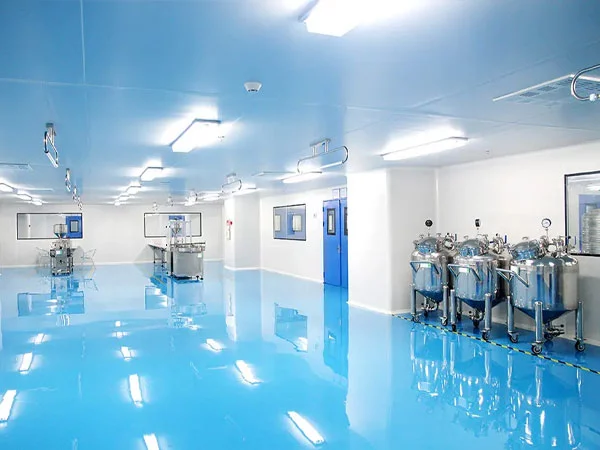
Leading Chinese manufacturers are advancing towards Industry 4.0 upgrades, utilizing IoT and big data to achieve real-time monitoring and optimization of production processes. This ensures high consistency between production batches and enhances supply chain traceability.
Conclusion
Selecting a suitable anti-dandruff shampoo OEM manufacturer in China is the cornerstone for a brand to successfully launch a product in a highly competitive market. It concerns not only cost and efficiency but also product efficacy, safety, quality, and speed of innovation. Brands should look beyond mere price comparisons and conduct in-depth evaluations across multiple dimensions: R&D strength, compliance experience, quality control, sustainability philosophy, and comprehensive service capabilities. The goal is to establish a transparent and mutually trusting strategic partnership with the manufacturer. By leveraging the powerful advantages and continuously evolving innovation momentum of “Made in China,” brands can more agilely and steadily capture growth opportunities in the global anti-dandruff hair care market.
Through the above in-depth analysis, we aim to provide you with a clear roadmap and decision-making support when selecting an anti-dandruff shampoo OEM manufacturing partner in China.