In today’s oversaturated personal care market, generic functional shampoos have largely fallen victim to relentless price wars. However, the premium haircare sector is witnessing contrarian growth. For brand owners, selecting a distinguished premium haircare manufacturer is more than just choosing a contract filler; it is about securing a holistic solution encompassing “scalp anti-aging,” “ingredient aesthetics,” and “brand moats.”
The fundamental difference between premium haircare and mass-market products lies not in the extravagance of the packaging, but in the underlying logic of the formulation.
1.1 The Evolution from “Cleansing” to “Scalp Microbiome”
While traditional manufacturers focus on sheer cleansing power, elite premium haircare manufacturers prioritize scalp microbiome balance. This shift means moving away from harsh surfactants like SLS/SLES toward amino acids, alkyl polyglucosides (APG), and advanced protein derivatives.
- Bio-fermentation Technology: Utilizing probiotic lysates to repair the scalp barrier.
- Precision pH Control: Finely tuning the product’s acidity to mimic the natural environment of the human scalp.
1.2 Active Ingredient Encapsulation and Sustained Release
The value of a luxury product is often measured by the bioavailability of its actives (e.g., ceramides, peptides, caviar extract).
- Liposome Encapsulation: Ensures that expensive active ingredients aren’t simply washed away but penetrate deep into the hair follicles.
- Nano-emulsion Technology: Allows botanical oils to maintain a delicate touch and superior absorption even in silicone-free formulas.
According to global SEO search trends, “Clean Beauty” and “Ingredient Integrity” are the highest-volume long-tail keywords in the premium sector.
2.1 Commercial Application of Exclusive Patented Ingredients
A manufacturer with deep R&D capabilities typically maintains its own proprietary ingredient library—such as antioxidant factors extracted from polar algae or rare oils sourced from specific altitudes. These ingredients with Geographical Indication (GI) attributes are the core of a brand’s storytelling.
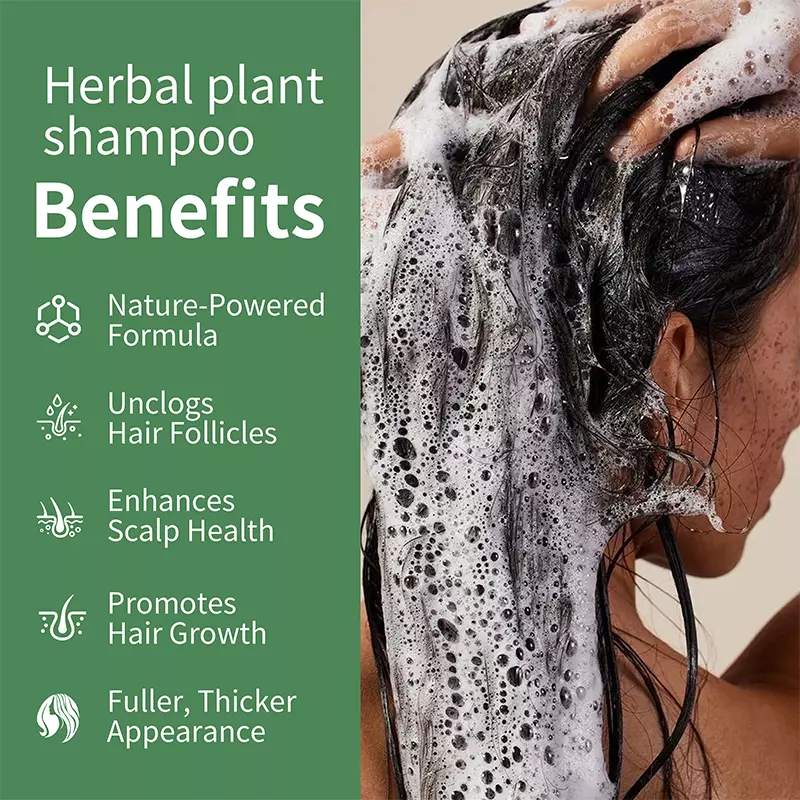
2.2 Advanced Alternatives to Traditional Silicones
To achieve natural gloss without the weight, premium manufacturing no longer relies on Dimethicone.
- Plant-derived Alkanes: Provide a silky feel while being environmentally friendly.
- Natural Polysaccharide Polymers: Form a lightweight, breathable film on the hair shaft, solving the issue of limp or flat hair.
To help you visualize the value of high-end manufacturing, the following table compares the core differences in the production process:
| Dimension | Mass Market Production | Premium/Luxury Manufacturing |
| Surfactants | Primarily Sulfates; low cost, high stripping | Amino acids, Betaine, APG blends; gentle & low irritation |
| Fragrance Systems | Industrial grade; linear and harsh scents | Custom perfumery; Salon-grade top/middle/base notes |
| Production Process | Ambient stirring; focuses on scale efficiency | Vacuum emulsification & precision temperature control |
| Active Dosage | 0.1% – 0.5% (Conceptual addition) | 1.0% – 5.0%+ (Clinically effective dosage) |
| Water System | Secondary Reverse Osmosis (RO) | EDI Ultra-pure water with extremely low conductivity |
IV. Fragrance Artistry and Sensory Experience: “Emotional Value”
Fifty percent of the purchasing decision for a premium shampoo is determined by the olfactory experience upon opening the bottle.
4.1 Collaboration with International Master Perfumers
Top manufacturers are deeply integrated with global fragrance giants like IFF and Givaudan. They offer more than just a “scent”; they provide Neuro-fragrance technology, which uses scent to influence brainwaves for stress relief, energizing, or sleep-aid effects.
4.2 Texture, Foam Density, and “The Wash Feel”
Premium foam doesn’t necessarily mean “more” foam—it means “denser” foam.
- Foam Mechanics: Laboratories use foam stability testers to adjust bubble diameter, ensuring a creamy, whipped texture.
- Rheology Control: Ensuring the liquid has a “satin-like” flow when poured, avoiding the synthetic stickiness of cheap thickeners.
V. Sustainability and Green Manufacturing (ESG)
In the 2026 market landscape, brands without a sustainability consciousness cannot enter high-end department stores or professional salons.
5.1 Green Chemistry Principles
Leading manufacturers follow “biodegradability” principles during the R&D phase. This ensures that after the product goes down the drain, it decomposes rapidly without burdening aquatic ecosystems.
5.2 Eco-friendly Packaging Integration
- PCR (Post-Consumer Recycled) Plastics: Offering high-quality recycled packaging solutions that maintain a luxury feel.
- Refillable Designs: Reducing packaging waste for repeat purchases and increasing long-term customer loyalty.
If you are seeking a partner, these three dimensions serve as the litmus test to distinguish a “standard factory” from a “premium manufacturer.”
6.1 Laboratory Compliance and Certification
Beyond basic GMPC and ISO 22716, premium manufacturers usually possess CNAS accredited laboratories. They can independently perform physical/chemical analysis, microbiology, and efficacy evaluations (e.g., anti-hair loss trials and hair repair testing).
6.2 Small-Batch Customization and Flexible Supply Chains
Luxury brands often start with a “less is more” philosophy. Does the manufacturer support boutique orders of 5,000 units or fewer? Do they have rapid prototyping capabilities? This flexibility is crucial for a brand’s agility.

Conclusion: Selection Determines Your Ceiling
The competitiveness of a premium shampoo lies not in the marketing budget, but in the science and sincerity contained within the bottle. A top-tier premium haircare manufacturer acts as your brand’s shadow lab, your technical backbone, and your partner in commercial success.