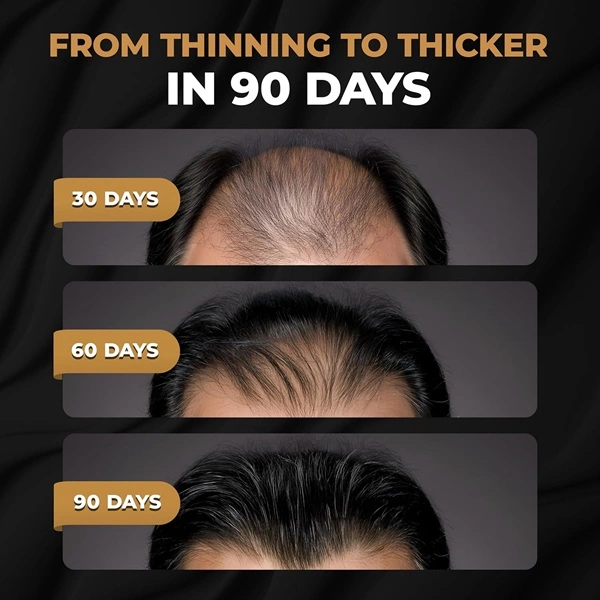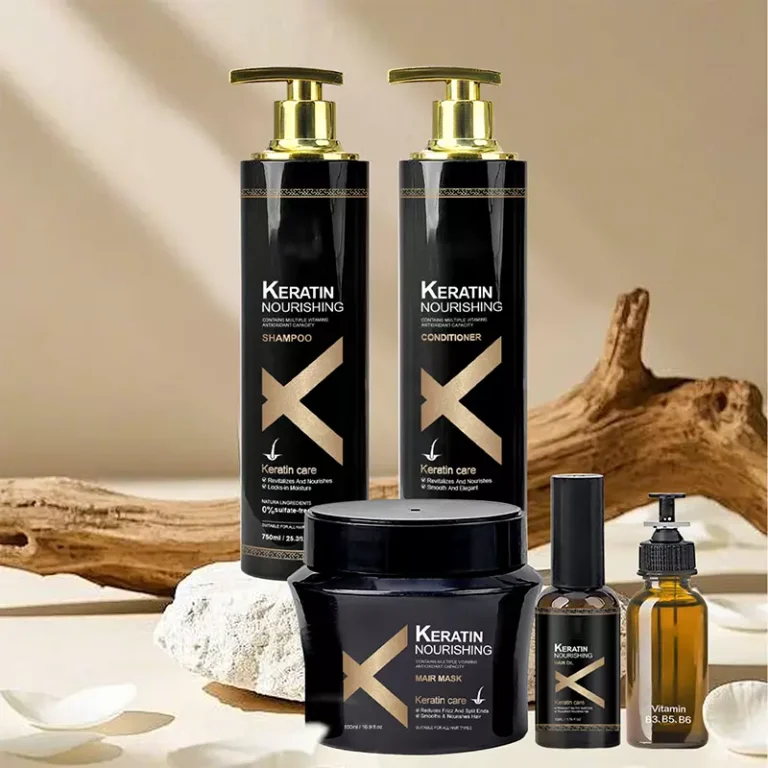
In the fiercely competitive personal care market, finding a professional shampoo factory is the cornerstone of brand success. A top-tier shampoo OEM partner does more than provide production capacity; they offer end-to-end support from formula R&D to packaging design. This guide explores how to identify high-quality manufacturers, helping you avoid industry pitfalls and build a best-selling product.
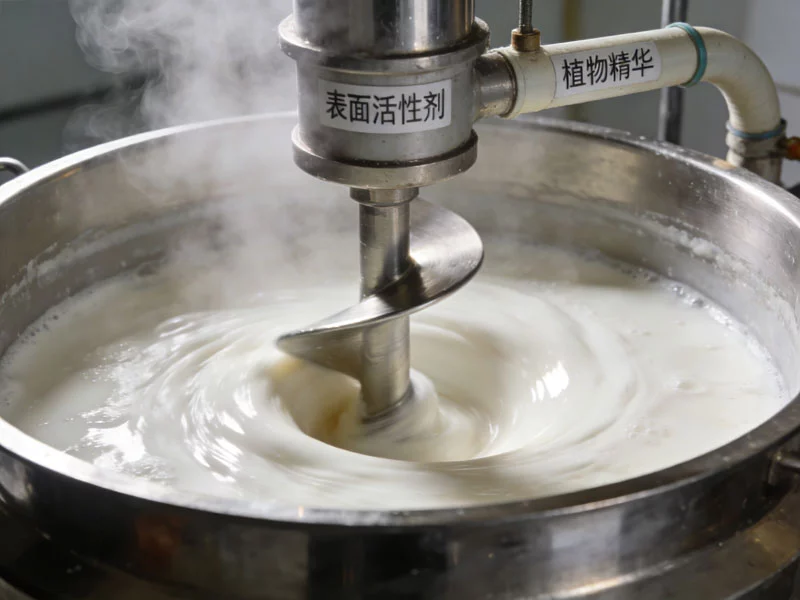
User Pain Points: “Roadblocks” in Shampoo Brand Growth
When choosing a shampoo factory, many brand owners—especially startups or those expanding from other niches—face a series of daunting challenges. If these issues aren’t addressed early, they can lead to poor sales or even a brand reputation crisis.
1. Unstable Quality and “Sample vs. Bulk” Discrepancies
This is the most hidden pain point in the industry. Many brands receive high-quality samples that are fragrant and effective, only to find that the bulk production lacks the same performance. This often happens because a shampoo OEM might swap raw material suppliers or reduce active ingredient concentrations to save costs, leading to a drop in customer repurchase rates.
2. High Minimum Order Quantities (MOQ) and Financial Pressure
Traditional large-scale factories often demand high MOQs for the first order. For a startup looking to test the market, this is a massive financial burden. Locking up capital in inventory creates a significant risk if market feedback doesn’t meet expectations.
3. Market Homogenization and Lack of Unique Selling Points (USPs)
If you visit industry trade shows, you’ll find hundreds of factories offering nearly identical formulas. If your shampoo factory only provides “generic” formulas, your product will lack identity. In an era where “scalp health” and “functional hair care” are trending, a lack of R&D depth means you can’t tell a compelling brand story.
4. Regulatory Compliance and Lengthy Registration Cycles
Cosmetic regulations are becoming increasingly strict globally. If a factory lacks proper licensing or uses restricted ingredients, your brand faces the risk of being de-platformed or fined. Furthermore, opaque registration processes can cause you to miss critical market windows.
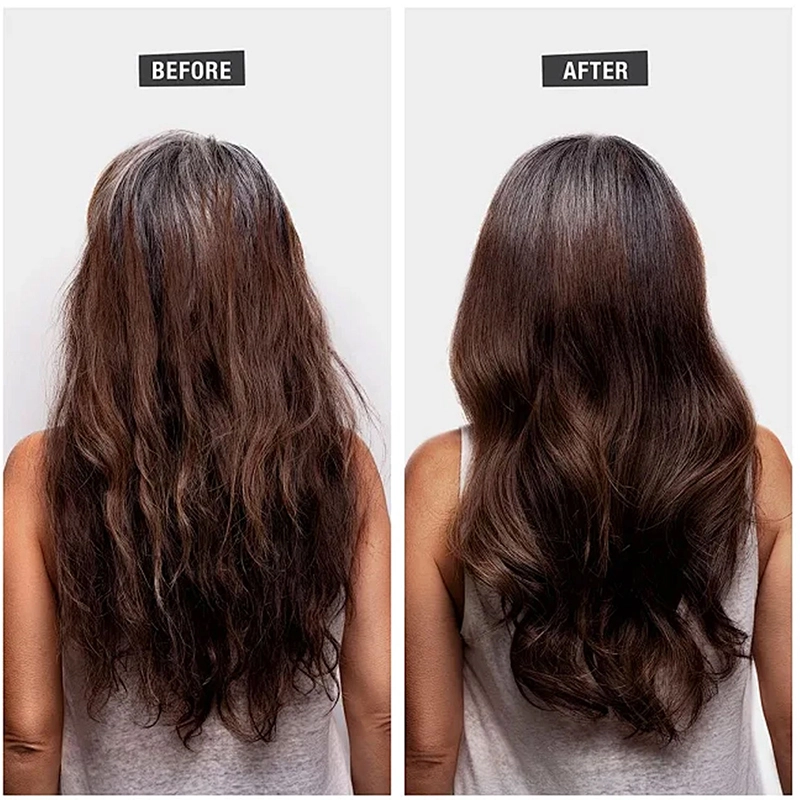
OEM Solutions: Transitioning from “Processing” to “Strategic Partnership”
A reliable shampoo OEM provider should not just be a workshop; they should act as your “External R&D Center” and “Supply Chain Expert.”
1. Customized Formula Development for Competitive Edge
A professional factory will customize formulas based on your brand positioning—whether it’s oil control, anti-hair loss, sensitive scalp care, or luxury fragrance.
- Tech Integration: Incorporating micro-encapsulation or plant fermentation.
- Clean Beauty: Providing sulfate-free, silicone-free, and paraben-free options to meet modern consumer demands for safety.
2. One-Stop Value-Added Services to Lower Entry Barriers
To eliminate the headaches of brand management, leading shampoo factories offer “turnkey” solutions:
- Market Insights: Analyzing data to tell you which ingredients and scents are currently trending.
- Packaging Design: In-house design teams to help create aesthetic bottles and visual systems.
- Legal & Compliance: Handling all product registration and testing reports to ensure a smooth launch.
3. Flexible Supply Chains for “Fast Fashion” Personal Care
Consumer trends shift rapidly. Excellent factories possess flexible production capabilities, allowing for small-batch market testing and the ability to scale up rapidly when a product goes viral.
Factory Strength: Three Hard Metrics to Determine Reliability
When auditing a shampoo factory, don’t just look at the office building. Dive into these core technical indicators.
1. Core R&D: The Lab and Patent Portfolio
A manufacturer’s ceiling is determined by its laboratory.
- R&D Team: Do they employ experts in dermatology and biochemistry?
- Patents: How many exclusive formula patents do they hold? Can they provide clinical test reports for their claims?
- Academic Collaboration: Do they have joint labs with universities or research institutes?
2. International Certifications and Hardware Standards
Since shampoo is a product in frequent contact with the scalp, the production environment is vital.
- Certifications: They must have GMPC and ISO 22716 international standards.
- Water Treatment: Shampoo is over 80% water. A factory must have a secondary reverse osmosis deionized water system to ensure microbial stability.
- Cleanrooms: Class 100,000 or even Class 10,000 purification workshops are essential to prevent product spoilage.
3. Supply Chain Integration and Quality Control (QC)
- Raw Material Sourcing: Do they partner with global giants like BASF, Givaudan, or IFF? Quality ingredients are the soul of a good shampoo.
- End-to-End QC: From Incoming Quality Control (IQC) to In-Process (IPQC) and Final Quality Control (FQC), every step must be digitally traceable.
Comparison Table: How to Spot a Professional Factory
| Dimension | Average Factory (Avoid) | Premium Shampoo OEM Factory |
| Sampling | Generic, slow feedback | 3-7 days, custom-tailored |
| Communication | Salespeople lack tech knowledge | Engineers direct contact |
| Packaging | Outdated styles | Rich private mold library, eco-friendly options |
| Consistency | Batch-to-batch variations | High automation, low deviation |
| Value-Add | Production only | Marketing support and USP planning |
FAQ: Common Questions About Shampoo Contract Manufacturing
1. What is the typical MOQ for shampoo OEM?
Usually, it ranges between 3,000 to 5,000 units. However, some specialized factories now offer flexible MOQ starting at 1,000 units for niche or premium brands.
2. How can I verify a factory’s R&D claims?
Check their client list and patent certificates. If they manufacture for well-known international brands, their QC is likely top-tier. Also, ask for “Stability Test Data” and “Preservative Challenge Reports” for their formulas.
3. How long is the production cycle?
- First Order: R&D (7 days) + Design (7 days) + Packaging Production (25 days) + Registration (30 days) + Filling (10 days) = Approx 2-3 months.
- Repeat Orders: Usually 10-15 days if packaging is in stock.
Conclusion: Choosing the Right Factory is Half the Battle
Selecting a shampoo factory is more than a transaction; it’s choosing a long-term “comrade-in-arms.” In today’s market, only brands that combine deep product power with a stable shampoo OEM supply chain can truly stand out.
If you are looking for a partner with leading technology, rapid response, and a global vision, contact us today to receive the latest market-winning formula samples.