Do you often find your hair still oily, dry, or with dandruff even after daily washing? This may be related to your washing method. As a professional shampoo factory, we understand that washing hair is not just about cleaning, but a science. Different hair types require different washing and care strategies. The correct washing method can significantly improve the scalp environment and enhance hair health. Below are ten shampooing principles summarized from years of production and R&D experience, guiding you away from common daily shampooing mistakes.
I. Hair Type Determines Choice: Choose the Right Shampoo from the Source
Shampoos from our factory’s R&D data show that different hair types should use shampoos with different functions:
- Oily scalp + dry hair: We recommend choosing a shampoo that controls oil while moisturizing, such as products containing tea tree oil or mint, which can remove excess oil and moderately hydrate, preventing flat hair roots.
- Dandruff and Dry Hair: Choose a mild shampoo with anti-dandruff ingredients (such as zinc pyrithione or clomiphene). It’s also recommended to regularly switch anti-dandruff products to prevent scalp tolerance.
- Dry and Damaged Hair (including permed and dyed hair): Choose a mild, nourishing shampoo. These products typically replenish lipids and proteins while cleansing, helping to repair hair cuticles and achieve deep conditioning.
II. Professional Shampoo Factory Tutorial: Ten Correct Shampooing Steps
Setp 1: Pre-wash to Thoroughly Wet
Before shampooing, hair must be thoroughly wet, but the water temperature should not be too high. Thorough wetting helps open the hair cuticles, wash away surface dirt, and reduce friction and irritation to the scalp from directly applying shampoo.
Setp 2: Lather in Palms
Squeeze shampoo into your palm, add water, and gently rub until a rich lather is produced before applying to hair. This avoids alkaline substances directly contacting the scalp and leaving residue, reducing the burden on the hair.
Setp 3: Ensure Sufficient Washing Time
Shampooing time should not be less than 3-5 minutes, especially in the back of the head where sebaceous glands are concentrated; extend the washing time with a little massage to prevent sebum buildup.
Setp 4: Emphasis on Scalp Cleansing
The focus of shampooing is cleaning the scalp, not just the hair. Gently massage the scalp with your fingertips (not nails) to remove sebum and dead skin cells clogging pores, reducing dandruff and hair loss.
Setp 5: Thoroughly Rinse the Lather
Rinse at least twice with running water to ensure no shampoo residue remains. Especially before applying conditioner, make sure to rinse the hair completely; otherwise, residue will weaken the conditioning effect.
Setp 6: Regular Scalp Massage
Perform a scalp massage 2-3 times a week: gently massage the scalp in circular motions with your fingertips for about 3 minutes to promote blood circulation, which helps relax and promotes scalp health.
Setp 7: Understand the Role of Shampoo
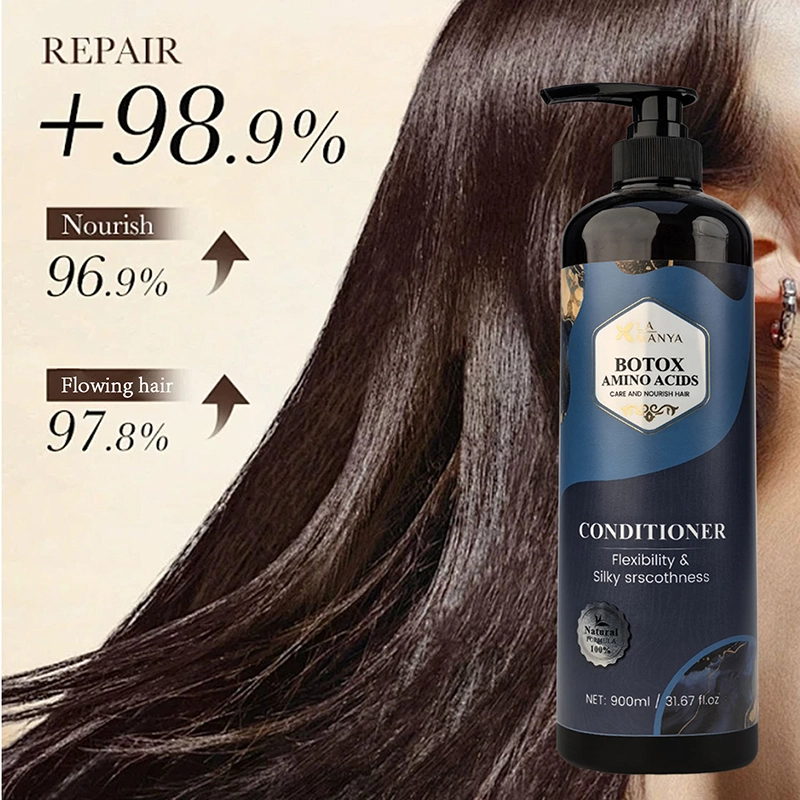
Shampoo primarily removes dirt and excess sebum, while conditioner closes hair cuticles and provides moisture. These two products have different functions and cannot be substituted for each other. It is recommended to use them together.
Setp 8: Avoid washing your hair multiple times a day.
Shampoo your hair no more than once a day. Over-cleansing will cause the hair cuticles to remain open and essential oils to be lost, damaging the hair and causing increased dryness or oiliness.
Setp 9: Continuously observe compatibility.
Do not choose a shampoo based on your experience after only 1-2 uses. It is recommended to use it continuously for 2-4 weeks and observe changes in hair and scalp. Sustained results are the basis for judging whether a product is suitable.
Setp 10: Adjust products according to the season.
Seasonal changes can affect scalp oil production, moisture, and sensitivity. It is recommended to have at least two shampoos with different functions and alternate or switch them according to the season and hair condition to achieve the best care results.
III. A friendly reminder from the shampoo manufacturer.
As a shampoo manufacturer, we advise consumers to be rational about “efficacy promises.” No single shampoo can solve all problems. True hair care begins with understanding your scalp and hair type and adhering to scientific hair washing habits. Choosing the right products and the proper technique and timing for each step are all crucial for maintaining healthy hair. If you experience persistent scalp problems or severe hair loss, it is recommended to consult a professional physician promptly.emove dirt and avoid damaging the scalp.